 Back
BackMetabolism and Regulation of Body Temperature: The Liver, Lipoproteins, Thyroid Hormones, and Appetite Control
Study Guide - Smart Notes
 Tailored notes based on your materials, expanded with key definitions, examples, and context.
The Liver: Central Metabolic Organ
General Metabolic Functions of the Liver
The liver is the body's primary metabolic organ, responsible for a wide range of biochemical processes essential for homeostasis and survival.
Fatty Acid Processing: Packages free fatty acids (FFA) into forms for storage or transport.
Plasma Protein Synthesis: Synthesizes most plasma proteins, including albumin and clotting factors.
Amino Acid Metabolism: Forms nonessential amino acids, deaminates amino acids, and converts ammonia to urea for excretion.
Glucose Storage and Regulation: Stores glucose as glycogen and is a key site for gluconeogenesis, helping regulate blood sugar levels.
Vitamin and Mineral Storage: Stores vitamins (A, D, B12) and conserves iron as ferritin.
Hormone and Toxin Metabolism: Degrades hormones and metabolizes toxic substances such as alcohol and drugs.
Example: The liver's ability to convert ammonia (toxic) into urea (less toxic) is critical for safe nitrogen excretion.
Lipoproteins and Cholesterol Transport
Types and Functions of Lipoproteins
Lipoproteins are complexes that transport triglycerides and cholesterol in the blood. Their density depends on the ratio of lipid to protein content.
Chylomicrons: Carry dietary lipids from the intestine to the liver.
Very Low-Density Lipoproteins (VLDL): Transport triglycerides from the liver to adipose tissue.
Low-Density Lipoproteins (LDL): Deliver cholesterol to tissues; excess LDL can lead to cholesterol deposition in blood vessels ('bad cholesterol').
High-Density Lipoproteins (HDL): Remove excess cholesterol from tissues and transport it to the liver for excretion ('good cholesterol').
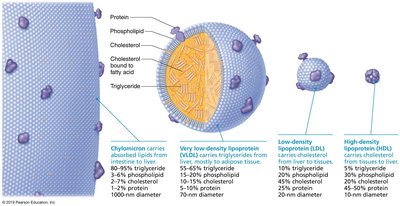
Key Point: The ratio of saturated to unsaturated fats in the diet has a greater effect on blood cholesterol than dietary cholesterol intake itself.
The Thyroid Gland and Thyroid Hormones
Anatomy and Histology of the Thyroid Gland
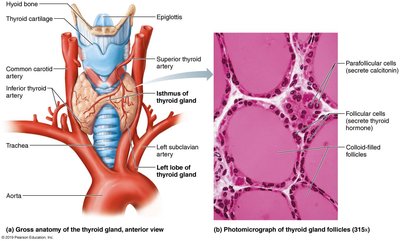
The thyroid gland is the largest pure endocrine gland, located on the trachea just below the larynx. It consists of two lobes connected by an isthmus and is composed of spherical follicles filled with colloid.
Follicle Cells: Produce thyroglobulin, the precursor to thyroid hormones.
Parafollicular (C) Cells: Produce calcitonin, a hormone involved in calcium regulation.
Synthesis and Types of Thyroid Hormones
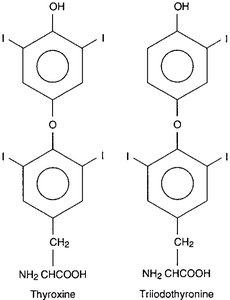
Thyroid hormones are derived from iodinated thyroglobulin and include:
Thyroxine (T4): The primary product, less active but more abundant.
Triiodothyronine (T3): More active, produced by conversion from T4 in target tissues.
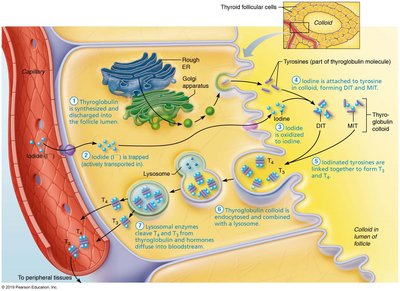
Example: Most peripheral tissues can convert T4 to T3 using the enzyme deiodinase.
Functions of Thyroid Hormones
Increase Basal Metabolic Rate (BMR): Stimulate glucose oxidation and heat production (calorigenic effect).
Regulate Growth and Development: Essential for normal skeletal and nervous system development, especially in fetuses and infants.
Maintain Blood Pressure: Increase adrenergic receptors in blood vessels.
Regulation of Thyroid Hormone Secretion
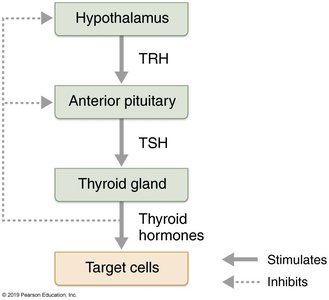
Thyroid hormone secretion is regulated by a classical three-tiered negative feedback system involving the hypothalamus, anterior pituitary, and thyroid gland.
Hypothalamus releases TRH (thyrotropin-releasing hormone).
Anterior pituitary releases TSH (thyroid-stimulating hormone).
Thyroid gland releases T4 and T3, which exert negative feedback on the hypothalamus and pituitary.
Thyroid Disorders
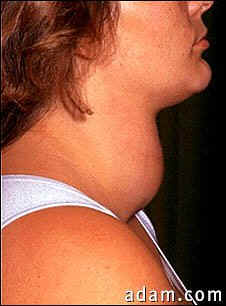
Hypothyroidism: Causes include autoimmune thyroiditis, iodine deficiency, or thyroidectomy. Symptoms: low BMR, lethargy, weight gain, goiter (if due to iodine deficiency).
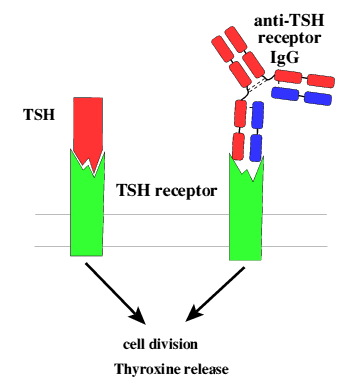
Hyperthyroidism (e.g., Grave's Disease): Autoimmune stimulation of the thyroid, leading to high BMR, weight loss, and exophthalmos.
Iodine and Thyroid Function
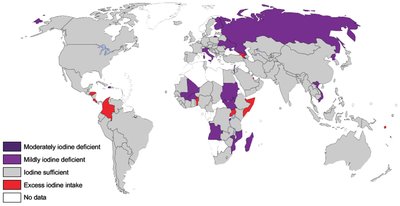
Iodine is essential for thyroid hormone synthesis. Deficiency can lead to goiter and developmental disorders in children (congenital iodine deficiency syndrome).
Metabolic Rate and Its Regulation
Definitions and Influencing Factors
Metabolic Rate: The body's rate of energy expenditure, measured as total heat produced by all chemical reactions and mechanical work.
Basal Metabolic Rate (BMR): Energy expended at rest, under controlled conditions (12 hours after a meal, at rest). Average adult BMR ≈ 66 kcal/hr.
Total Metabolic Rate (TMR): Total rate of energy consumption, including voluntary and involuntary activities.
Factors Influencing BMR:
Surface area (higher in smaller individuals)
Age (decreases with age)
Gender (higher in males)
Hormones (especially thyroid hormone)
Stress and fever (increase BMR)
Regulation of Appetite and Energy Balance
Energy Intake and Output
Energy balance is achieved when energy intake equals energy output (heat + work + storage). Excess energy is stored as fat or glycogen.
Body Mass Index (BMI):
BMI 25-30: Overweight; BMI > 30: Obese
Appetite Control Mechanisms
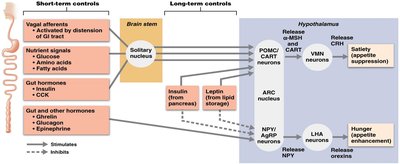
Appetite is regulated by complex interactions between neural signals, hormones, and nutrient levels.
Neural Signals: Stretch receptors in the GI tract signal satiety.
Hormones: Insulin and cholecystokinin (CCK) suppress hunger; ghrelin and glucagon stimulate hunger.
Hypothalamic Pathways: Neuropeptide Y (NPY) and Agouti-related peptide (AgRP) stimulate hunger; POMC/CART neurons promote satiety.
Leptin: Released by adipose tissue, decreases hunger and increases satiety signals; leptin resistance is common in obesity.
Other Factors Affecting Appetite
Body Temperature: Increased temperature may suppress appetite; cold climates may increase food intake.
Psychological Factors: Emotional and environmental cues can override physiological hunger signals.
Gut Microbiota: Bacterial peptides in the large intestine can influence eating behavior.
Conclusion: The regulation of metabolism, body temperature, and appetite involves intricate interactions between organs, hormones, and environmental factors. Understanding these processes is essential for maintaining health and addressing metabolic disorders.
