 Back
BackThe Cell: Structure, Function, and Processes (Chapter 3 Study Notes)
Study Guide - Smart Notes
 Tailored notes based on your materials, expanded with key definitions, examples, and context.
The Cell
Basic Processes of Cells
The cell is the fundamental unit of life, responsible for carrying out essential processes that sustain organisms. These include metabolism, transport, communication, and reproduction.
Cell Metabolism: Chemical reactions within the cell, including anabolic (building up), catabolic (breaking down), and oxidation-reduction reactions.
Substance Transport: Movement of compounds into, out of, or within the cell.
Communication: Cells interact with their environment and other cells via signaling mechanisms.
Cell Reproduction: Most cells undergo division to produce new cells.
Overview of Cell Structure
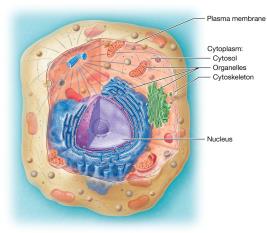
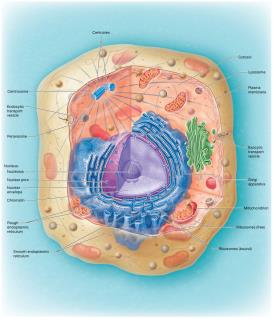
Most animal cells share three basic components: plasma membrane, cytoplasm, and nucleus.
Plasma Membrane: The boundary that separates the cell from its environment.
Cytoplasm: Includes cytosol (intracellular fluid), organelles, and cytoskeleton.
Nucleus: Contains most of the cell's DNA and is the site of RNA production.
Cell Size and Diversity
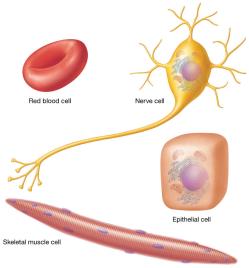
Cells vary greatly in size and shape, allowing for specialized functions. Examples include red blood cells, nerve cells, epithelial cells, and skeletal muscle cells.
Structure and Function of the Plasma Membrane
The Phospholipid Bilayer
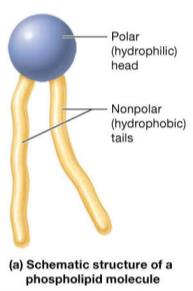
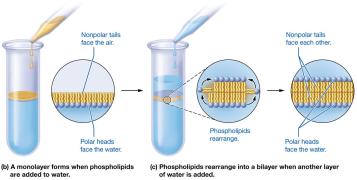
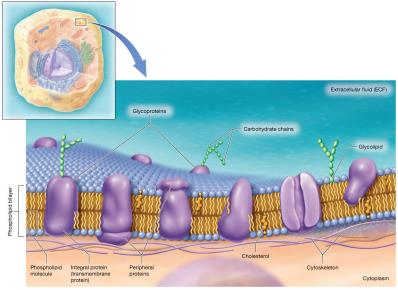
The plasma membrane is primarily composed of a phospholipid bilayer, which forms a barrier between the extracellular fluid (ECF) and cytosol.
Hydrophilic (polar) heads: Face water.
Hydrophobic (nonpolar) tails: Repel water.
The Fluid Mosaic Model
The plasma membrane is a dynamic structure with proteins, lipids, and carbohydrates embedded in the bilayer. Its fluidity is essential for function.
Integral proteins: Span the membrane; some are transmembrane proteins.
Peripheral proteins: Located on one side of the membrane.
Other components: Cholesterol (stabilizes membrane), glycolipids, and glycoproteins (cell recognition).
Functions of Membrane Proteins
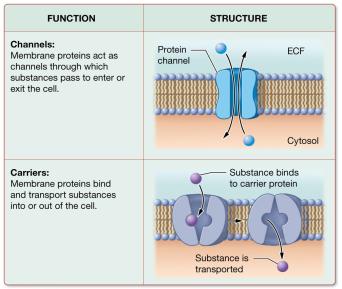
Channels: Allow passage of substances.
Carriers: Transport substances across the membrane.
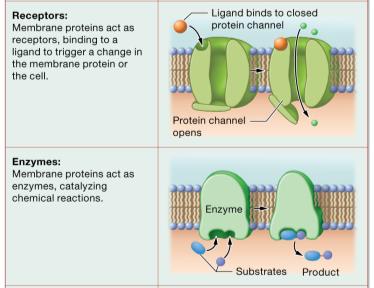
Receptors: Bind ligands to trigger cellular changes.
Enzymes: Catalyze reactions.
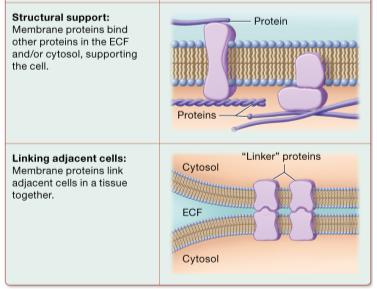
Structural support: Maintain cell shape.
Linker proteins: Connect adjacent cells.
Transport Across the Plasma Membrane
Passive Transport
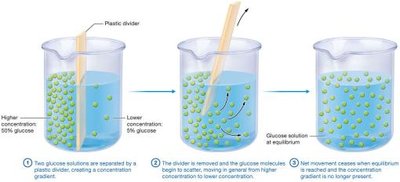
Passive transport does not require energy and relies on concentration gradients.
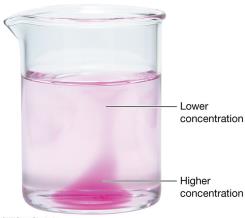
Diffusion: Movement of solute from high to low concentration.
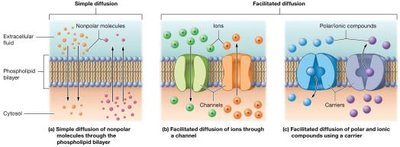
Simple Diffusion: Nonpolar solutes pass directly through the bilayer.
Facilitated Diffusion: Polar or charged solutes pass via channels or carriers.
Osmosis
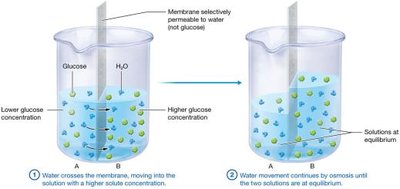
Osmosis is the movement of water across a selectively permeable membrane from low to high solute concentration.
Aquaporins: Water channels in the membrane.
Osmotic and hydrostatic pressure: Regulate water movement.
Tonicity
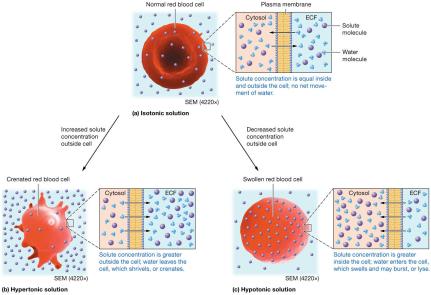
Tonicity describes the effect of solute concentration on cell volume.
Isotonic: No net water movement.
Hypertonic: Cell loses water and shrivels.
Hypotonic: Cell gains water and may burst.
Active Transport
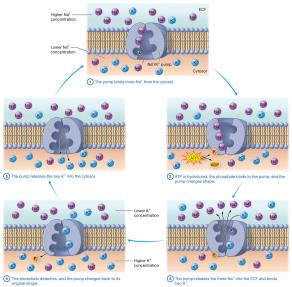
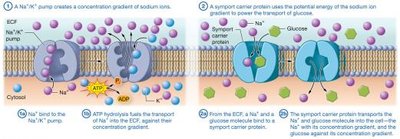
Active transport requires ATP to move substances against their concentration gradient.
Primary Active Transport: Direct use of ATP (e.g., sodium-potassium pump).
Secondary Active Transport: Uses gradient created by primary transport to move other substances.
Electrophysiology
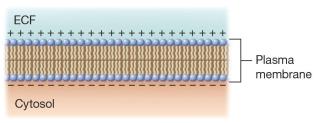
Electrophysiology studies the membrane potential, a result of charge separation across the plasma membrane.
Resting membrane potential: Inside of cell is more negative than outside.
Vesicular Transport
Large particles are transported via vesicles, requiring ATP.
Endocytosis: Bringing substances into the cell (phagocytosis, pinocytosis, receptor-mediated).
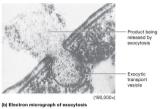
Exocytosis: Releasing substances from the cell.
Transcytosis: Transport across the cell.
Summary Table: Plasma Membrane Transport
Type of Transport | Definition | Example(s) |
|---|---|---|
Simple Diffusion | Solute moves with its concentration gradient unaided | Oxygen, Carbon dioxide, Lipids |
Facilitated Diffusion | Solute moves with its concentration gradient via channel/carrier | Sodium, Potassium, Calcium, Glucose, Amino acids |
Osmosis | Water moves from low to high solute concentration | Water absorption in intestines/kidneys |
Primary Active Transport | Solute moves against gradient using ATP | Na+/K+ pump |
Secondary Active Transport | Uses gradient to power transport of another solute | Glucose, Chloride, Bicarbonate |
Phagocytosis | Cell eating; large particles ingested | Bacteria, cell debris |
Pinocytosis | Cell drinking; ECF substances ingested | Nutrients |
Receptor-Mediated Endocytosis | Specific substance ingested via receptor | Cholesterol, iron, hormones |
Exocytosis | Substance released from cell | Hormones, neurotransmitters, enzymes |
Cytoplasmic Organelles
Overview
Organelles compartmentalize cellular functions for efficiency and protection. Some are membrane-enclosed, others are not.
Membrane-enclosed: Mitochondria, peroxisomes, endoplasmic reticulum, Golgi apparatus, lysosomes
Non-membrane-enclosed: Ribosomes, centrosomes
Mitochondria
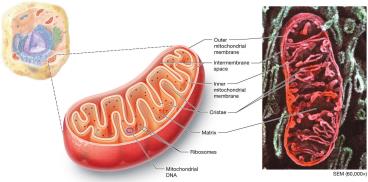
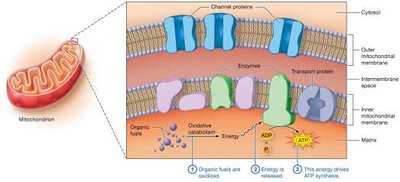
Mitochondria are the cell's powerhouses, producing ATP via oxidative catabolism. They have a double membrane and their own DNA.
Outer membrane: Permits substances into intermembrane space.
Inner membrane: Selective, contains cristae and matrix for ATP production.
Peroxisomes
Peroxisomes use oxygen to oxidize organic compounds, producing hydrogen peroxide. They detoxify chemicals, break down fatty acids, and synthesize phospholipids.
Ribosomes
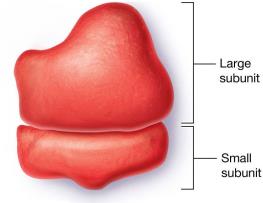
Ribosomes are the site of protein synthesis, composed of two subunits made of rRNA and proteins. They can be free in the cytosol or bound to organelle membranes.
The Endomembrane System
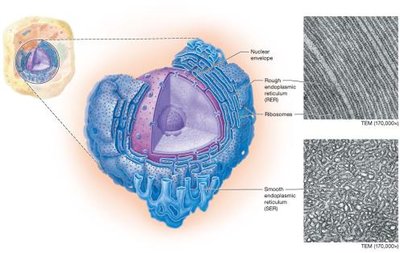
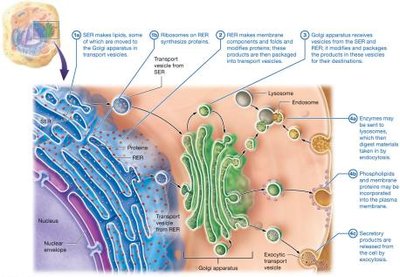
This system synthesizes, modifies, and packages substances for transport. It includes the plasma membrane, endoplasmic reticulum (ER), Golgi apparatus, lysosomes, and nuclear envelope.
Rough ER: Studded with ribosomes; folds and modifies proteins, produces membrane components.
Smooth ER: Lacks ribosomes; stores calcium, detoxifies substances, synthesizes lipids.
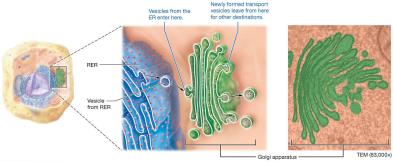
Golgi Apparatus: Modifies, sorts, and packages proteins and lipids for transport.
Lysosomes: Contain acid hydrolases for digestion of macromolecules and recycling of cell components.
The Cytoskeleton
Types of Filaments
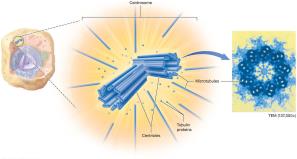
The cytoskeleton provides structural support, maintains cell shape, and enables movement. It consists of actin filaments, intermediate filaments, and microtubules.
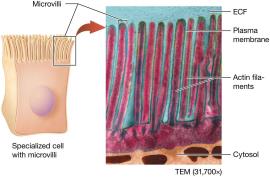
Actin Filaments: Thin, support plasma membrane, involved in cell motion.
Intermediate Filaments: Ropelike, provide mechanical strength.
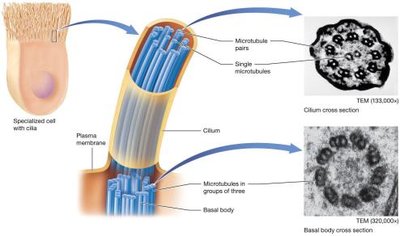
Microtubules: Hollow tubes, maintain cell architecture, move organelles, form cilia and flagella.
Cellular Extensions
Microvilli: Increase surface area for absorption; supported by actin filaments.
Cilia and Flagella: Motile extensions with a core of microtubules; cilia sweep substances, flagella propel cells.
The Nucleus
Structure and Function
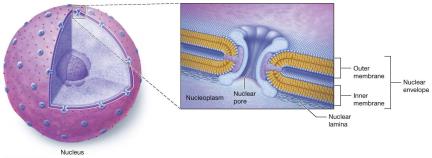
The nucleus directs cellular activities and houses DNA. It includes the nuclear envelope, nucleoplasm, and nucleolus.
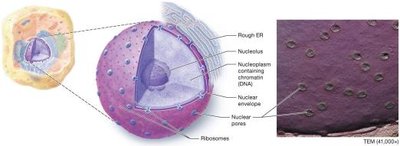
Nuclear Envelope: Double membrane with nuclear pores for transport.
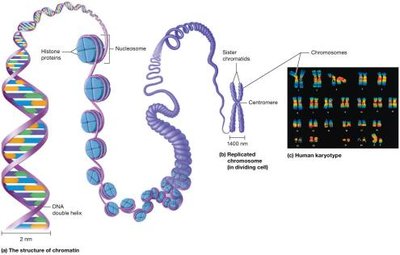
Chromatin: DNA and histone proteins; condenses into chromosomes during cell division.
Protein Synthesis
Gene Expression
Protein synthesis involves transcription (DNA to mRNA) and translation (mRNA to protein).
Transcription: RNA polymerase copies DNA into mRNA.
Translation: Ribosomes read mRNA and assemble amino acids into polypeptides.
The Cell Cycle
Phases of the Cell Cycle
The cell cycle is the series of events from cell formation to division. It includes interphase (growth and DNA replication) and M phase (mitosis and cytokinesis).
Interphase: G1 (growth), S (DNA synthesis), G2 (preparation for division).
M Phase: Mitosis (division of genetic material) and cytokinesis (division of cytoplasm).
Cell Cycle Control and Cancer
Cell division is regulated by checkpoints. Failure to regulate can lead to tumors; benign tumors remain localized, malignant tumors can metastasize.
Additional info: These notes expand on the original lecture slides and textbook images, providing definitions, examples, and context for each topic. All included images are directly relevant to the adjacent explanations, reinforcing key concepts in cell structure, function, and processes.
