 Back
BackThe Endocrine System: Structure, Function, and Mechanisms
Study Guide - Smart Notes
 Tailored notes based on your materials, expanded with key definitions, examples, and context.
Endocrine System Overview
General Functions and Organization
The endocrine system works in conjunction with the nervous system to coordinate and integrate the activity of body cells. It influences metabolic activities by means of hormones transported in the blood. Endocrine responses are generally slower but longer-lasting than nervous system responses. The major endocrine glands include the pituitary, thyroid, parathyroid, adrenal, and pineal glands. Some organs, such as the pancreas and gonads, have both endocrine and exocrine functions. Other hormone-producing tissues include adipose cells, thymus, and cells in the small intestine, stomach, kidneys, and heart.
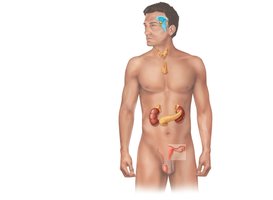
Chemical Messengers of the Endocrine System
Types of Chemical Messengers
Hormones: Long-distance chemical signals that travel in the blood or lymph.
Autocrines: Chemicals that exert effects on the same cells that secrete them.
Paracrines: Locally acting chemicals that affect cells other than those that secrete them.
Autocrines and paracrines are local chemical messengers and are not considered part of the classical endocrine system.
Chemistry of Hormones
Classification and Properties
Amino acid-based hormones: Includes amines, thyroxine, peptides, and proteins. Most are water-soluble (except thyroxine) and cannot cross the plasma membrane.
Steroid hormones: Synthesized from cholesterol. These are lipid-soluble and can cross the plasma membrane. Includes gonadal and adrenocortical hormones.
Eicosanoids: Sometimes considered hormones, but most classify them as paracrines and autocrines due to their localized effects.
The chemical structure of a hormone determines its solubility in water, which affects its transport in the blood, degradation rate, and receptor interaction.
Mechanisms of Hormone Action
General Effects on Target Cells
Alter plasma membrane permeability or membrane potential by opening or closing ion channels.
Stimulate synthesis of proteins or regulatory molecules.
Activate or deactivate enzyme systems.
Induce secretory activity.
Stimulate mitosis.
Water-Soluble vs. Lipid-Soluble Hormones
Water-soluble hormones: (All amino acid-based hormones except thyroid hormone) act on plasma membrane receptors and are coupled by G proteins to intracellular second messengers. They cannot enter the target cells.
Lipid-soluble hormones: (Steroid and thyroid hormones) act on intracellular receptors that directly activate genes. They can diffuse across the plasma membrane.
Second Messenger Systems
cAMP Signaling Mechanism
Many water-soluble hormones act through the cyclic AMP (cAMP) second messenger system. The steps are as follows:
Hormone (first messenger) binds to receptor.
Receptor activates G protein.
G protein activates adenylate cyclase.
Adenylate cyclase converts ATP to cAMP (second messenger).
cAMP activates protein kinases, which phosphorylate proteins to trigger cellular responses.
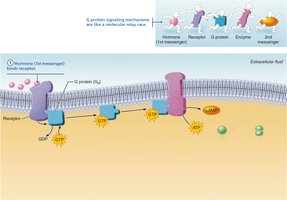
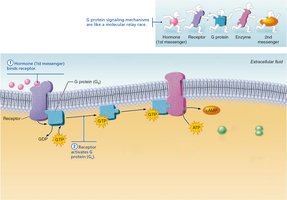
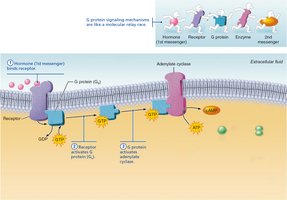
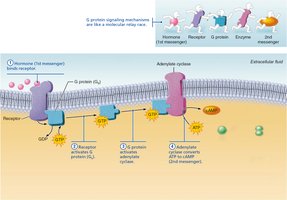
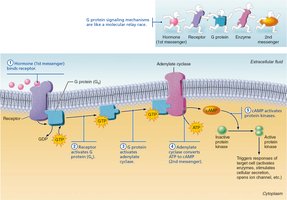
cAMP is rapidly degraded by the enzyme phosphodiesterase, and intracellular enzymatic cascades have a large amplification effect.
PIP2-Calcium Signaling Mechanism
Some amino acid-based hormones use the PIP2-calcium signaling mechanism, which involves G protein activation of phospholipase C, splitting PIP2 into DAG and IP3. DAG activates protein kinases, while IP3 triggers Ca2+ release, which can alter enzymes or channels or bind to calmodulin.
Intracellular Receptors and Direct Gene Activation
Mechanism for Lipid-Soluble Hormones
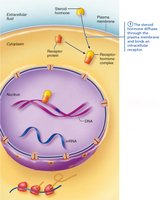
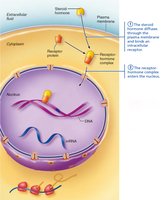
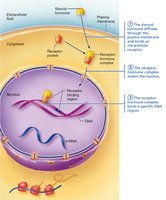
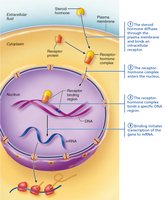
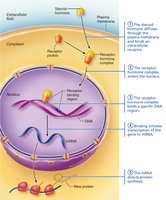
Steroid and thyroid hormones diffuse into their target cells and bind with intracellular receptors. The receptor-hormone complex enters the nucleus, binds to a specific DNA region, and prompts DNA transcription to produce mRNA, which directs protein synthesis.
Target Cell Specificity and Regulation
Specificity and Regulation of Receptors
Target cells must have specific receptors for a hormone to bind and exert its effect.
Up-regulation: Target cells form more receptors in response to low hormone levels.
Down-regulation: Target cells lose receptors in response to high hormone levels.
Hormone Interactions at Target Cells
Types of Hormone Interactions
Permissiveness: One hormone cannot exert its effects without another hormone being present.
Synergism: More than one hormone produces the same effects on a target cell, amplifying the response.
Antagonism: One or more hormones oppose the action of another hormone.
Control of Hormone Release
Regulation Mechanisms
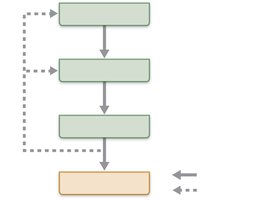
Blood levels of hormones are controlled by negative feedback systems and vary within a narrow range. Hormones are synthesized and released in response to:
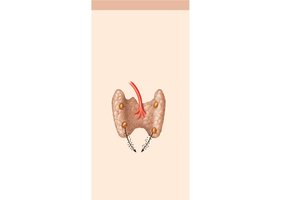
Humoral stimuli: Changing blood levels of ions and nutrients directly stimulate hormone secretion (e.g., low Ca2+ stimulates PTH release).
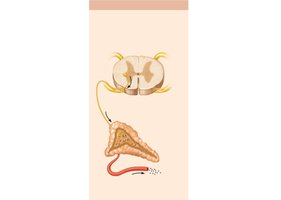
Neural stimuli: Nerve fibers stimulate hormone release (e.g., sympathetic stimulation of adrenal medulla).
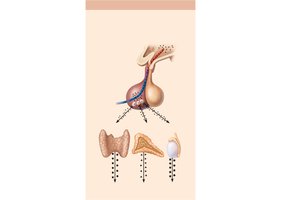
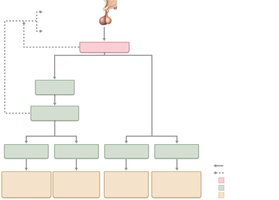
Hormonal stimuli: Hormones stimulate other endocrine glands to release their hormones (e.g., hypothalamic hormones regulate pituitary hormones).
Hypothalamic-Pituitary Relationships
Structural and Functional Connections
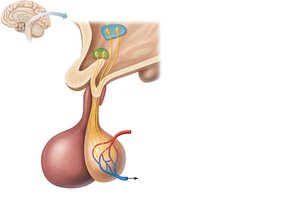
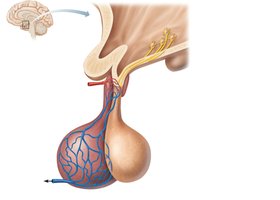
The hypothalamus is connected to the pituitary gland (hypophysis) via the infundibulum. The pituitary has two major lobes:
Posterior pituitary (neurohypophysis): Composed of neural tissue, stores and secretes two neurohormones (oxytocin and ADH) produced by the hypothalamus.
Anterior pituitary (adenohypophysis): Glandular tissue that manufactures and secretes six hormones.
Anterior Pituitary Hormones
Major Hormones and Their Actions
Growth hormone (GH): Stimulates growth of most tissues, especially bone and muscle; has metabolic effects.
Thyroid-stimulating hormone (TSH): Stimulates thyroid gland to release thyroid hormones.
Adrenocorticotropic hormone (ACTH): Stimulates adrenal cortex to release corticosteroids.
Follicle-stimulating hormone (FSH): Stimulates gamete production.
Luteinizing hormone (LH): Promotes production of gonadal hormones.
Prolactin (PRL): Stimulates milk production.
All are proteins; all except GH activate cAMP second-messenger systems at their targets. TSH, ACTH, FSH, and LH are tropic hormones (regulate other endocrine glands).
Growth Hormone Regulation and Disorders
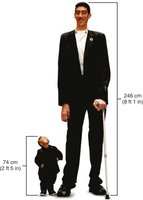
Hypersecretion: In children causes gigantism; in adults, acromegaly.
Hyposecretion: In children causes pituitary dwarfism.
Posterior Pituitary Hormones
Oxytocin and Antidiuretic Hormone (ADH)
Oxytocin: Stimulates uterine contractions during childbirth and milk ejection during breastfeeding. Both are positive feedback mechanisms.
ADH (Vasopressin): Promotes water reabsorption in kidneys; secretion is triggered by high blood osmolarity. High concentrations cause vasoconstriction.
Disorders include diabetes insipidus (ADH deficiency) and syndrome of inappropriate ADH secretion (SIADH).
Summary Table: Comparison of Nervous and Endocrine Systems
Feature | Nervous System | Endocrine System |
|---|---|---|
Signal Type | Electrical impulses (action potentials) | Chemical messengers (hormones) |
Transmission Pathway | Neurons and synapses | Bloodstream |
Speed of Response | Rapid (milliseconds) | Slower (seconds to days) |
Duration of Effect | Short-lived | Long-lasting |
Target Specificity | Specific (muscles, glands, neurons) | Broad (any cell with receptor) |
Summary Table: Comparison between Lipid- and Water-Soluble Hormones
Property | Lipid-Soluble Hormones | Water-Soluble Hormones |
|---|---|---|
Chemical Nature | Steroids, thyroid hormone | Amino acid-based (except thyroid hormone) |
Transport in Blood | Bound to plasma proteins | Free in plasma |
Receptor Location | Inside cell (intracellular) | On plasma membrane |
Mechanism of Action | Direct gene activation | Second messenger systems |
Half-life | Longer | Shorter |
Additional info: These notes provide a comprehensive overview of the endocrine system, its chemical messengers, mechanisms of action, and regulatory feedback, suitable for ANP college-level study.
