 Back
BackThe Endocrine System: Structure, Function, and Regulation
Study Guide - Smart Notes
 Tailored notes based on your materials, expanded with key definitions, examples, and context.
Chapter 16: The Endocrine System
Section 1: Overview of the Endocrine System
The endocrine system is a network of ductless glands that secrete hormones directly into the bloodstream, regulating a wide range of physiological processes. Unlike the nervous system, endocrine signaling is typically slower but has longer-lasting effects.
Endocrine Communication: Endocrine cells release hormones into the interstitial fluid, which then diffuse into tiny blood vessels (capillaries), are transported to the heart via veins, and distributed throughout the body by arteries. Hormones bind to specific receptors on target cells to elicit responses.
Paracrine Signals: Chemicals secreted by cells into the extracellular fluid (ECF) that affect nearby cells.
Autocrine Signals: Chemicals secreted by a cell into the ECF that act on the same cell that secreted them.
Endocrine Organs: Composed of ductless glandular epithelial cells that secrete hormones into the interstitial fluid for transport into the bloodstream.
Hormones: Types and Transport
Amino Acid-Based Hormones: Typically hydrophilic, produced by various glands, and travel freely in the blood.
Peptide/Protein Hormones: Also hydrophilic, secreted by glands such as the pituitary.
Steroid Hormones: Derived from cholesterol, hydrophobic, and require carrier proteins for transport in the blood.
Transport: Hydrophilic hormones travel freely in the blood, while hydrophobic hormones are bound to plasma proteins.
Target Cells and Receptors
Hormones exert their effects by binding to specific receptors on or within target cells. The location of these receptors depends on the chemical nature of the hormone.
Hydrophilic Hormones: Bind to receptors embedded in the plasma membrane of target cells.
Hydrophobic Hormones: Bind to receptors located in the plasma membrane, cytosol, or nucleus.
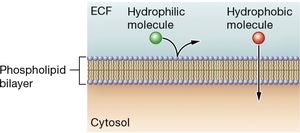
Mechanisms of Hormone Action
Second Messenger Systems: Hydrophilic hormones bind to membrane receptors, activating G-proteins and initiating a cascade of enzyme-catalyzed reactions inside the cell.
Signal Amplification: A single hormone molecule can trigger the production of many second messengers, amplifying the cellular response.
Hormone Interactions
Synergists: Hormones that act on the same target cell to produce the same effect.
Antagonists: Hormones that act on the same target cell but produce opposite effects.
Hormone Half-Life and Elimination
Half-Life: The time required for the plasma concentration of a hormone to decrease by half.
Elimination: Depends on hormone structure and the degree of protein binding.
Regulation of Hormone Secretion
Hormonal Stimuli: Hormone release triggered by another hormone.
Humoral Stimuli: Changes in blood levels of ions or nutrients stimulate hormone release.
Neural Stimuli: Nerve fibers stimulate hormone release.
Section 2: Hypothalamus and Pituitary Gland
Anatomy and Functions
Hypothalamus: Regulates hunger, thirst, fluid balance, body temperature, sleep/wake cycles, and reproduction.
Pituitary Gland: Divided into the anterior (adenohypophysis, glandular epithelium) and posterior (neurohypophysis, nervous tissue) lobes.
Tropic Hormones
Hormones that control the secretion of other endocrine glands.
Key Hormones and Effects
ADH (Antidiuretic Hormone): Promotes water retention by the kidneys.
Human Growth Hormone (hGH): Regulates growth; targets muscle, bone, adipose tissue, liver, and cartilage. Has both short-term and long-term effects.
Section 3: Thyroid and Parathyroid Glands
Thyroid Hormones
Functions: Regulate metabolic rate, thermoregulation, promote growth and development, and act synergistically with the sympathetic nervous system.
Production: Involves iodide uptake, thyroglobulin synthesis, and enzymatic release of T3 and T4 into the blood.
Thyroid Disorders
Hypothyroidism: Underproduction of thyroid hormones; symptoms include weight gain, cold intolerance, decreased heart rate (HR), and blood pressure (BP).
Hyperthyroidism (e.g., Grave’s disease): Overproduction of thyroid hormones; symptoms include weight loss, heat intolerance, increased HR and BP.
Parathyroid Hormone (PTH)
Increases blood calcium by stimulating osteoclasts, enhancing intestinal absorption, and increasing renal reabsorption of calcium.
Section 4: Adrenal Glands
Adrenal Cortex Hormones
Mineralocorticoids (e.g., Aldosterone): Regulate sodium and potassium concentrations, extracellular fluid volume, blood pressure, and acid-base homeostasis.
Glucocorticoids (e.g., Cortisol): Mediate stress response, stimulate gluconeogenesis, and promote the release of amino acids and fatty acids.
Cortisol Disorders
Cushing Syndrome: Characterized by hypercortisolism, hyperglycemia, increased fatty deposits, and increased susceptibility to infections.
Clinical Applications and Disorders
Paraneoplastic Syndrome: Signs and symptoms resulting from hormone secretion by cancer cells. Common in certain cancers; symptoms vary depending on the hormone secreted.
Pheochromocytoma: Tumor of the adrenal medulla causing excess secretion of epinephrine and norepinephrine, mimicking sympathetic stimulation.
Sample Questions and Applications
Which of the following is not a primary endocrine organ? (Posterior pituitary gland)
Which is not a stimulus for hormone secretion? (A sensory stimulus from one of the senses)
A hormone structurally similar to cholesterol will bind intracellular receptors. (False statement in the question)
Oxytocin stimulates uterine smooth muscle contraction.
Insulin-like growth factor (IGF) causes protein synthesis.
SIADH leads to increased water retention in the body.
Main functions of thyroid hormones: thermoregulation, metabolic rate regulation, and sensitization to sympathetic stimulation.
Parathyroid hormone increases calcium absorption in the small intestine.
Aldosterone targets the kidneys.
Cortisol does not act as a pro-inflammatory agent.
High TSH with low T3/T4 suggests hypothyroidism.
