 Back
The Endocrine System: Structure, Function, and Disorders
Study Guide - Smart Notes
 Tailored notes based on your materials, expanded with key definitions, examples, and context.
The Endocrine System
Overview of the Endocrine System
The endocrine system is a collection of glands that secrete hormones directly into the bloodstream to regulate various body functions. These hormones control processes such as growth, metabolism, and reproduction. Major endocrine glands include the pituitary, thyroid, parathyroid, adrenal glands, pancreas, pineal gland, thymus, and gonads (testes and ovaries).
The Thyroid Gland
Structure and Location
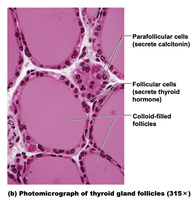
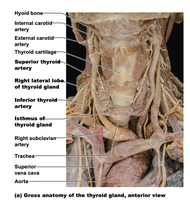
The thyroid gland is located in the anterior neck, just inferior to the larynx. It is the largest purely endocrine gland in the body and is composed of follicles surrounded by areolar connective tissue.
Follicles: Spherical structures filled with colloid, lined by follicular cells.
Parafollicular cells: Located between follicles, secrete calcitonin.
Hormones of the Thyroid Gland
Thyroid hormone (TH): Produced by follicular cells, regulates metabolism, growth, and development.
Calcitonin: Produced by parafollicular cells, lowers blood calcium levels by inhibiting osteoclast activity in bones.
The Parathyroid Glands
Structure and Function
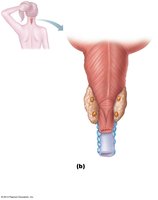
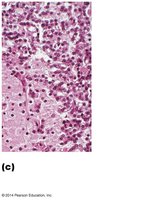
The parathyroid glands are small glands located on the posterior surface of the thyroid gland. They contain two main types of endocrine cells:
Parathyroid cells: Secrete parathyroid hormone (PTH), which increases blood calcium levels by stimulating osteoclasts, increasing intestinal absorption of calcium, and promoting calcium reabsorption in the kidneys.
Oxyphil cells: Function is currently unknown.
The Adrenal (Suprarenal) Glands
Structure and Location
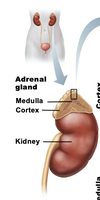
The adrenal glands are pyramid-shaped organs located on the superior surface of each kidney. Each gland consists of two distinct regions: the adrenal cortex and the adrenal medulla.
Adrenal cortex: Outer region, derived from somatic mesoderm, secretes steroid hormones.
Adrenal medulla: Inner region, derived from neural crest, part of the sympathetic nervous system, secretes catecholamines.
Adrenal Cortex: Zones and Hormones
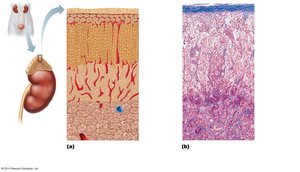
The adrenal cortex is divided into three zones, each producing different hormones:
Zona glomerulosa: Secretes mineralocorticoids (e.g., aldosterone).
Zona fasciculata: Secretes glucocorticoids (e.g., cortisol).
Zona reticularis: Secretes androgens.
All adrenal hormones help the body cope with stress, danger, or terror.
Adrenal Medulla: Structure and Function
Medullary chromaffin cells: Modified postganglionic sympathetic neurons that secrete epinephrine and norepinephrine, enhancing the "fight-or-flight" response.
Hormones are stored in secretory vesicles and released during stress.
Adrenal Cortex: Hormone Classes
Mineralocorticoids: Regulate electrolyte and water balance. Aldosterone is the main mineralocorticoid, secreted in response to low blood volume or pressure.
Glucocorticoids: Regulate metabolism and stress response. Cortisol is the main glucocorticoid, secreted by the zona fasciculata and zona reticularis.
The Pineal Gland
Structure and Function
The pineal gland is a small, pinecone-shaped gland located on the roof of the diencephalon. It contains pinealocytes that secrete melatonin, a hormone that regulates circadian rhythms (sleep-wake cycles).
The Pancreas
Structure and Dual Function
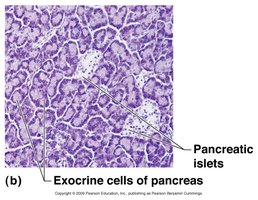
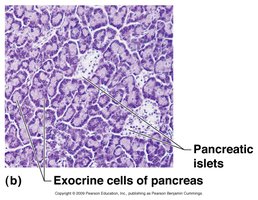
The pancreas is located in the posterior abdominal wall and contains both endocrine and exocrine cells.
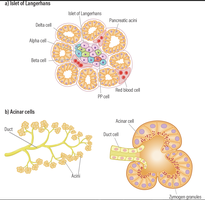
Exocrine cells (acinar cells): Secrete digestive enzymes into the small intestine.
Endocrine cells (pancreatic islets): About 1 million islets scattered throughout the pancreas, secrete hormones that regulate blood glucose.
Endocrine Cell Types and Hormones
Alpha (α) cells: Secrete glucagon, which raises blood sugar by signaling the liver to release glucose from glycogen.
Beta (β) cells: Secrete insulin, which lowers blood sugar by promoting glucose uptake and storage as glycogen in the liver.
Delta (δ) cells: Secrete somatostatin, which inhibits secretion of insulin and glucagon.
PP cells: Secrete pancreatic polypeptide, which may inhibit exocrine activity of the pancreas.
The Thymus
Structure and Function
The thymus is located in the lower neck and anterior thorax. It is an important immune organ where T lymphocytes mature. Thymic hormones, such as thymopoietin and thymosin, stimulate the transformation of lymphocytes.
The Gonads
Testes (Male)
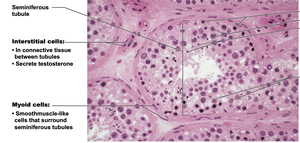
Interstitial cells: Secrete androgens, primarily testosterone, which promote sperm formation and maintain secondary sex characteristics.
Ovaries (Female)
Estrogen: Maintains secondary sex characteristics.
Progesterone: Prepares the uterus for pregnancy.
Other Endocrine Structures
Heart: Atria contain atrial natriuretic peptide (ANP), which reduces blood volume and pressure.
Gastrointestinal tract: Enteroendocrine cells secrete hormones that regulate digestion.
Placenta: Secretes hormones that sustain pregnancy.
Kidneys: Juxtaglomerular cells secrete renin (regulates blood pressure); endothelial cells secrete erythropoietin (stimulates red blood cell production).
Skin: Produces a precursor of vitamin D.
Disorders of the Endocrine System
Pituitary Disorders
Gigantism: Hypersecretion of growth hormone (GH) in children.
Pituitary dwarfism: Hyposecretion of GH.
Diabetes insipidus: Pars nervosa does not make enough antidiuretic hormone (ADH).
Pancreatic Disorders: Diabetes Mellitus
Type 1 diabetes: Autoimmune destruction of beta cells, usually develops before age 15.
Type 2 diabetes: Adult onset, cells have lowered sensitivity to insulin, often managed by diet and exercise.
Thyroid Disorders
Graves’ disease: Most common hyperthyroidism; immune system stimulates overproduction of thyroid hormone, causing nervousness, weight loss, sweating, and rapid heart rate.
Myxedema: Adult hypothyroidism; antibodies destroy thyroid tissue, leading to low metabolic rate and weight gain.
Endemic goiter: Due to iodine deficiency.
Cretinism: Hypothyroidism in children, resulting in stunted growth and mental retardation.
Adrenal Cortex Disorders
Cushing’s syndrome: Hypersecretion of glucocorticoids, usually due to a pituitary tumor; symptoms include fat redistribution ("buffalo hump").
Addison’s disease: Hyposecretion of both mineralocorticoids and glucocorticoids, leading to fatigue, weight loss, and low blood pressure.
