 Back
The Endocrine System: Structure, Function, and Regulation A&P 202 CH 17
Study Guide - Smart Notes
 Tailored notes based on your materials, expanded with key definitions, examples, and context.
The Endocrine System
Overview of the Endocrine System
The endocrine system is a complex network of glands that regulate many body functions by releasing hormones directly into the bloodstream. These hormones act on target cells throughout the body, influencing growth, metabolism, reproduction, and homeostasis.
Endocrine glands release hormones directly into the blood.
Exocrine glands transport their secretions via ducts to target tissues.
Hormones are chemical messengers affecting other glands or body systems.
Major endocrine emergencies include diabetes and thyrotoxicosis.
Hormone Action and Target Cells
Hormones exert their effects by binding to specific receptors on or within target cells. The response depends on hormone concentration, receptor abundance, and the influence of other hormones.
Lipid-soluble hormones bind to intracellular receptors.
Water-soluble hormones bind to plasma membrane receptors.
Cell responsiveness is determined by hormone levels, receptor density, and hormonal interactions.
Pituitary Gland
Structure and Function
The pituitary gland, often called the "master gland," is located at the base of the brain and controls other endocrine glands. It is divided into anterior and posterior regions, each producing distinct hormones.
Posterior Pituitary: Produces oxytocin and antidiuretic hormone (ADH).
Anterior Pituitary: Produces TSH, GH, ACTH, FSH, LH, and prolactin.
Secretion is regulated by the hypothalamus.
Thyroid Gland
Anatomy and Hormones
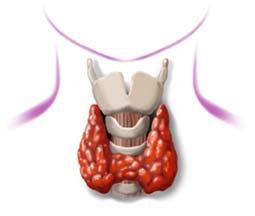
The thyroid gland is located in the anterior neck, just below the larynx. It consists of two lobes connected by an isthmus and contains sacs filled with colloid, which stores thyroid hormones.
Thyroxine (T4) and triiodothyronine (T3) increase metabolic rate.
Calcitonin lowers blood calcium levels.
Thyroid hormone release is stimulated by TSH and cold exposure.
Thyroid Disorders
Hypothyroidism (Myxedema): Characterized by facial bloating, weakness, cold intolerance, lethargy, altered mental status, and oily skin/hair. Treated with hormone replacement.
Hyperthyroidism (Graves' disease): Symptoms include insomnia, fatigue, tachycardia, hypertension, heat intolerance, weight loss, and exophthalmos (bulging eyes). Severe cases may lead to thyrotoxicosis.
Parathyroid Glands
Structure and Function
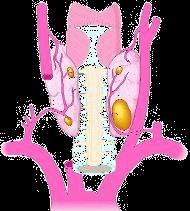
The parathyroid glands are small, pea-shaped glands embedded in the thyroid lobes. They regulate calcium levels in the body by producing parathyroid hormone (PTH).
Usually four glands, but the number can vary.
PTH increases blood calcium by stimulating bone resorption, increasing intestinal absorption, and reducing urinary excretion.
Hypocalcemia can occur if parathyroids are removed or destroyed.
Calcium Regulation and Feedback
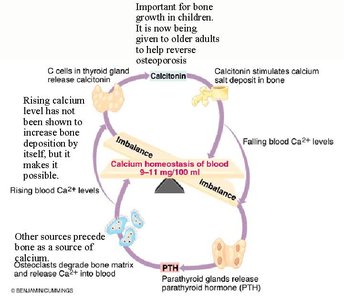
Calcium homeostasis is maintained by a negative feedback mechanism involving calcitonin and PTH.
Calcitonin lowers blood calcium by promoting bone deposition.
PTH raises blood calcium by stimulating bone resorption and increasing absorption.
Vitamin D synthesis is increased by PTH.
Pancreas
Structure and Hormones
The pancreas is located in the folds of the duodenum and has both endocrine and exocrine functions. The endocrine portion consists of the Islets of Langerhans, which contain alpha, beta, and delta cells.
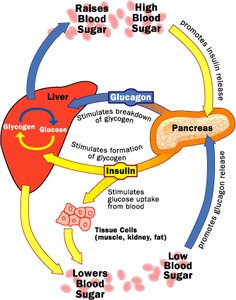
Alpha cells: Release glucagon, raising blood glucose.
Beta cells: Release insulin, lowering blood glucose.
Delta cells: Release somatostatin, inhibiting both glucagon and insulin.
Glucose Regulation
Glucose metabolism is essential for energy production. Insulin facilitates glucose uptake by cells, while glucagon stimulates glucose release from the liver.
Facilitated diffusion allows glucose to enter cells without energy expenditure.
Insulin binds to cell membrane receptors to promote glucose uptake.
Glucagon stimulates glycogen breakdown and gluconeogenesis in the liver.
Diabetes Mellitus
Diabetes mellitus is caused by decreased insulin secretion from beta cells, leading to elevated blood glucose. It is a common disease with serious complications.
Complications include heart disease, stroke, kidney disease, and blindness.
Glucose must be broken down into simple sugars for absorption and energy production.
Adrenal Glands
Structure and Function
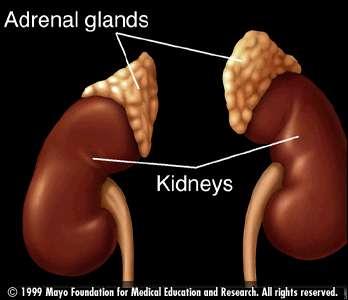
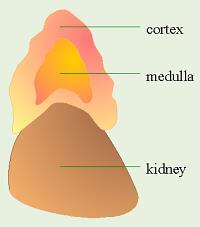
The adrenal glands are located atop each kidney and consist of two regions: the adrenal medulla and adrenal cortex. Each region produces different hormones.
Adrenal Medulla: Secretes catecholamines (epinephrine and norepinephrine) for stress response.
Adrenal Cortex: Secretes steroid hormones: glucocorticoids, mineralocorticoids, and androgens.
Adrenal Cortex Hormones
Glucocorticoids: Increase blood glucose, released in response to stress, injury, or infection.
Mineralocorticoids: Regulate sodium and potassium balance.
Excess hormone production can lead to Cushing's Disease (high blood sugar, abnormal fat distribution, mood swings) and serious electrolyte imbalances (hypokalemia, hyponatremia).
Gonads: Ovaries and Testes
Structure and Function
The gonads are the endocrine glands associated with reproduction. Ovaries produce eggs and hormones, while testes produce sperm and testosterone.
Ovaries: Produce estrogen and progesterone under the control of LH and FSH.
Testes: Produce sperm and testosterone, regulated by LH and FSH.
Hormones are essential for sexual development and reproductive function.
Summary Table: Major Endocrine Glands and Their Functions
Gland | Main Hormones | Primary Functions |
|---|---|---|
Pituitary | TSH, GH, ACTH, FSH, LH, ADH, Oxytocin | Controls other glands, growth, water balance, reproduction |
Thyroid | T3, T4, Calcitonin | Metabolism, calcium regulation |
Parathyroid | PTH | Calcium regulation |
Pancreas | Insulin, Glucagon, Somatostatin | Glucose regulation |
Adrenal | Epinephrine, Norepinephrine, Cortisol, Aldosterone | Stress response, electrolyte balance |
Ovaries | Estrogen, Progesterone | Sexual development, reproduction |
Testes | Testosterone | Male growth, reproduction |
Additional info: Academic context was added to clarify hormone mechanisms, feedback regulation, and disease states for completeness.
