 Back
BackThe Endocrine System: Structure, Function, and Clinical Correlations
Study Guide - Smart Notes
 Tailored notes based on your materials, expanded with key definitions, examples, and context.
Endocrine System Overview
Introduction to the Endocrine System
The endocrine system is a major regulatory system of the body, working alongside the nervous system to maintain homeostasis. Unlike the nervous system, which uses rapid electrical signals, the endocrine system communicates via hormones—chemical messengers secreted into the bloodstream that act on distant target organs.
Endocrine glands are ductless and secrete hormones directly into the blood.
Exocrine glands secrete their products into ducts that lead to body surfaces or cavities and are not part of the endocrine system.
Hormones regulate growth, metabolism, reproduction, and many other functions.
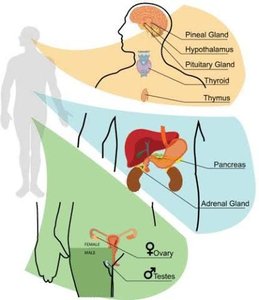
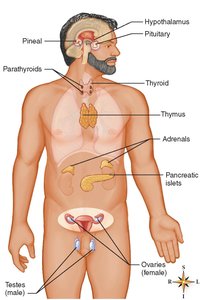
Major Endocrine Glands and Their Locations
The main endocrine glands are distributed throughout the body and include the pituitary, thyroid, parathyroid, adrenal glands, pancreas, ovaries, testes, pineal gland, and thymus.
Pituitary gland: base of the brain
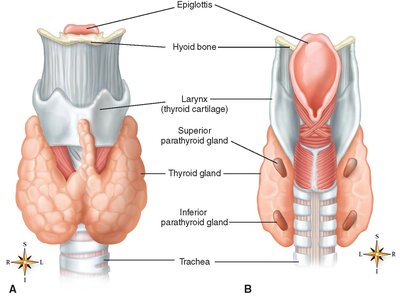
Thyroid gland: anterior neck
Parathyroid glands: posterior surface of the thyroid
Adrenal glands: superior to the kidneys
Pancreatic islets: within the pancreas
Ovaries and testes: pelvic cavity and scrotum, respectively
Pineal gland: roof of the third ventricle in the brain
Thymus: mediastinum, behind the sternum
Hormones and Mechanisms of Action
Definition and Function of Hormones
A hormone is a chemical messenger secreted by endocrine glands that regulates the activity of target cells or organs. Hormones can be classified as steroid or nonsteroid (protein/peptide) hormones, each with distinct mechanisms of action.
Mechanisms of Hormone Action
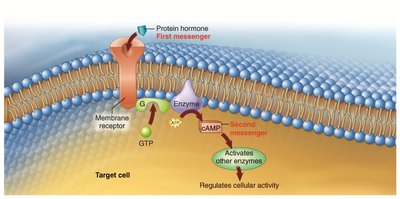
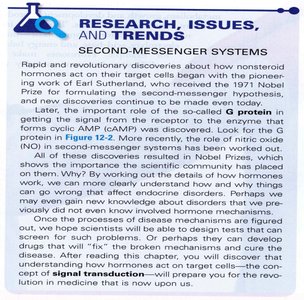
Nonsteroid hormones (e.g., protein hormones) bind to receptors on the cell membrane, triggering a cascade of intracellular events via second messengers such as cyclic AMP (cAMP).
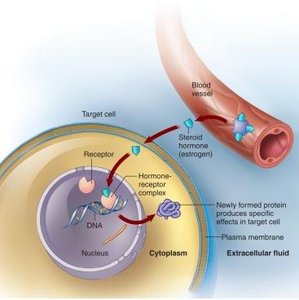
Steroid hormones (e.g., estrogen, cortisol) pass through the cell membrane and bind to intracellular receptors, directly influencing gene expression in the nucleus.
Second Messenger Systems
Nonsteroid hormones use second messenger systems to exert their effects. The hormone (first messenger) binds to a membrane receptor, activating a G protein, which then stimulates the production of a second messenger (e.g., cAMP) that alters cellular activity.
Additional info: The discovery of second messenger systems, such as cAMP, has been pivotal in understanding hormone action and has implications for pharmacology and disease treatment.
Regulation of Hormone Secretion
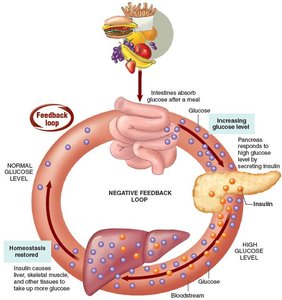
Hormone secretion is primarily regulated by negative feedback mechanisms, which maintain homeostasis by reversing deviations from a set point. Positive feedback mechanisms, though rare, amplify changes (e.g., oxytocin during childbirth).
Prostaglandins (PGs)
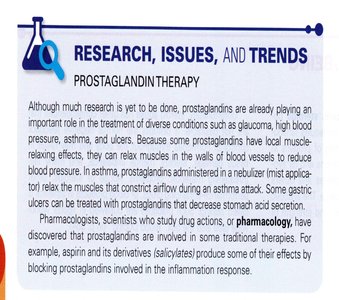
Prostaglandins are local hormones produced in many tissues. They act near their site of synthesis and influence processes such as inflammation, blood pressure, and smooth muscle contraction.
Additional info: Prostaglandins are targets for drugs like aspirin, which block their synthesis to reduce inflammation and pain.
Major Endocrine Glands and Hormones
Pituitary Gland
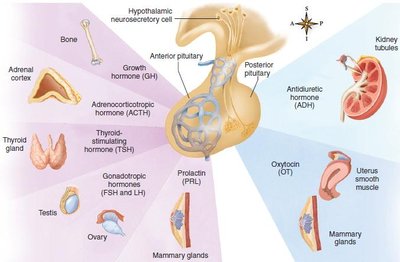
The pituitary gland is divided into the anterior (adenohypophysis) and posterior (neurohypophysis) lobes, each secreting distinct hormones.
Anterior pituitary hormones: TSH, ACTH, FSH, LH, GH, PRL
Posterior pituitary hormones: ADH, OT
Growth Hormone (GH) Abnormalities
Hypersecretion in children: Gigantism
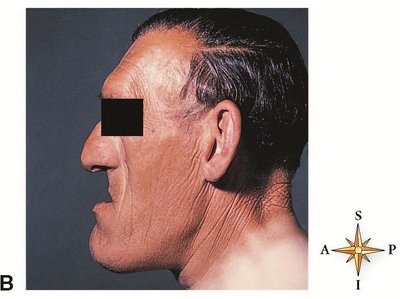
Hypersecretion in adults: Acromegaly
Hyposecretion in children: Pituitary dwarfism

Thyroid and Parathyroid Glands
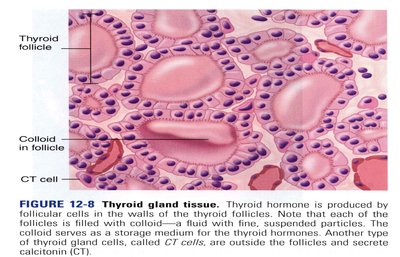
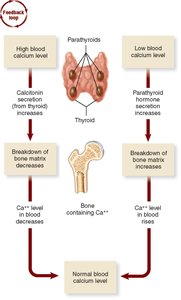
The thyroid gland produces thyroxine (T4), triiodothyronine (T3), and calcitonin. The parathyroid glands secrete parathyroid hormone (PTH).
Thyroid hormones: Increase metabolic rate
Calcitonin: Lowers blood calcium
PTH: Raises blood calcium by stimulating bone breakdown
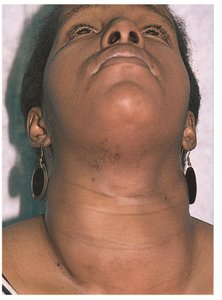
Thyroid Disorders
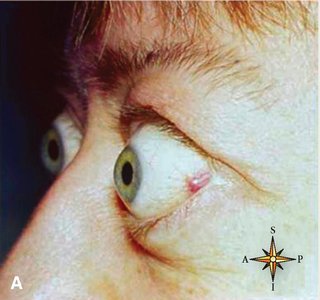
Hyperthyroidism: Increased metabolic rate, restlessness, exophthalmos (protruding eyes), Graves disease
Hypothyroidism: Goiter (iodine deficiency), cretinism (children), myxedema (adults)
Regulation of Blood Calcium
Adrenal Glands
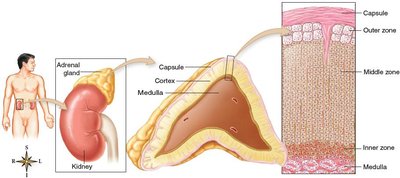
The adrenal glands consist of the cortex and medulla, each producing different hormones.
Adrenal cortex: Glucocorticoids (cortisol), mineralocorticoids (aldosterone), androgens
Adrenal medulla: Epinephrine (adrenaline), norepinephrine
Functions and Disorders
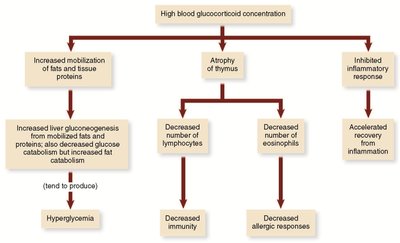
Glucocorticoids: Regulate metabolism, stress response, anti-inflammatory effects
Mineralocorticoids: Regulate sodium and potassium balance
Adrenal medulla hormones: Mediate fight-or-flight response
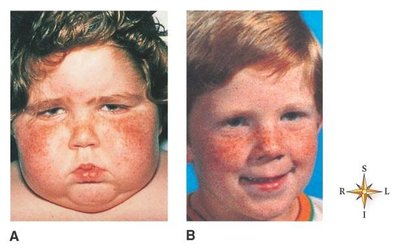
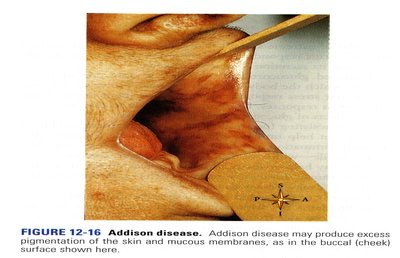
Disorders: Cushing syndrome (hypersecretion), Addison disease (hyposecretion), virilization (excess androgens)
Pancreatic Islets
The pancreatic islets (islets of Langerhans) secrete insulin (beta cells) and glucagon (alpha cells), which regulate blood glucose levels.
Insulin: Lowers blood glucose by promoting cellular uptake
Glucagon: Raises blood glucose by stimulating glycogen breakdown in the liver
Diabetes mellitus: Type 1 (insulin deficiency), Type 2 (insulin resistance)
Gonads (Ovaries and Testes)
Ovaries: Secrete estrogens and progesterone, regulating female reproductive development and menstrual cycle
Testes: Secrete testosterone, responsible for male secondary sexual characteristics
Other Endocrine Glands
Thymus: Secretes thymosin, important for immune function
Pineal gland: Secretes melatonin, regulates circadian rhythms and reproductive timing
Placenta: Secretes hormones to maintain pregnancy
Other tissues: Stomach (ghrelin), heart (ANH), fat cells (leptin)
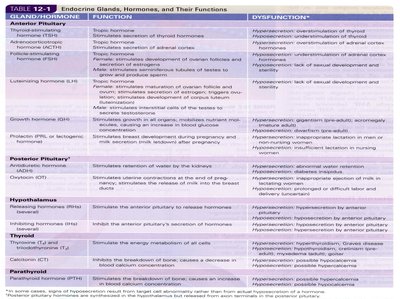
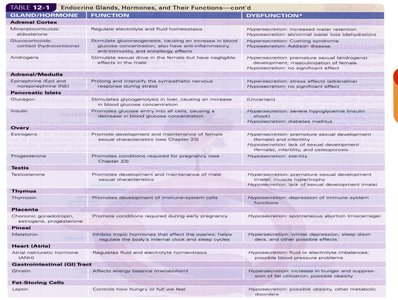
Summary Table: Endocrine Glands, Hormones, and Functions
Gland/Hormone | Function | Dysfunction |
|---|---|---|
Anterior Pituitary (TSH, ACTH, FSH, LH, GH, PRL) | Stimulates target glands, growth, lactation | Gigantism, dwarfism, infertility, lactation disorders |
Posterior Pituitary (ADH, OT) | Water balance, uterine contraction, milk ejection | Diabetes insipidus, labor/milk ejection issues |
Thyroid (T3, T4, CT) | Metabolic rate, calcium regulation | Hyper/hypothyroidism, goiter, cretinism |
Parathyroid (PTH) | Increases blood calcium | Hypo/hypercalcemia |
Adrenal Cortex (Cortisol, Aldosterone, Androgens) | Metabolism, stress, electrolyte balance | Cushing syndrome, Addison disease |
Adrenal Medulla (Epinephrine, Norepinephrine) | Fight-or-flight response | Hypertension, stress disorders |
Pancreatic Islets (Insulin, Glucagon) | Blood glucose regulation | Diabetes mellitus |
Ovary (Estrogen, Progesterone) | Female sexual development, menstrual cycle | Infertility, menstrual disorders |
Testis (Testosterone) | Male sexual development | Infertility, delayed puberty |
Pineal (Melatonin) | Regulates circadian rhythm | Seasonal affective disorder |
Thymus (Thymosin) | Immune system development | Immune deficiency |
Clinical and Applied Aspects
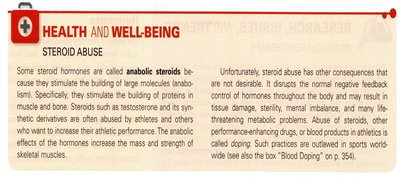
Steroid Abuse
Some athletes misuse anabolic steroids to enhance muscle mass and performance. However, steroid abuse can disrupt normal hormonal feedback, cause tissue damage, infertility, and other serious health problems.
Key Concepts and Review
Hormones are classified as steroid or nonsteroid, each with unique mechanisms of action.
Negative feedback is the primary regulatory mechanism for hormone secretion.
Disorders can result from hypo- or hypersecretion of hormones, or from target cell insensitivity.
Prostaglandins are local hormones with diverse physiological effects and therapeutic potential.
