 Back
BackType 2 Diabetes Mellitus: Pathophysiology, Diagnosis, and Collaborative Care
Study Guide - Smart Notes
 Tailored notes based on your materials, expanded with key definitions, examples, and context.
Metabolism and Type 2 Diabetes Mellitus (T2D)
Overview of Type 2 Diabetes Mellitus
Type 2 diabetes mellitus (T2D) is a chronic metabolic disorder characterized by high blood glucose levels due to insulin resistance and relative insulin deficiency. It is the most common form of diabetes and is closely linked to lifestyle and genetic factors.
Definition: T2D is a condition where the body’s cells become resistant to insulin, and the pancreas cannot produce enough insulin to maintain normal glucose levels.
Prevalence: T2D accounts for over 90% of all diabetes cases worldwide.
Significance: Uncontrolled T2D can lead to serious complications affecting multiple organ systems.
Pathophysiology & Etiology
Mechanisms and Causes
The pathophysiology of T2D involves a combination of insulin resistance and impaired insulin secretion.
Insulin Resistance: Body cells (especially muscle, fat, and liver cells) do not respond effectively to insulin, leading to decreased glucose uptake.
Beta-cell Dysfunction: Over time, pancreatic beta cells become unable to compensate for increased insulin demand, resulting in relative insulin deficiency.
Etiology: Multifactorial, including genetic predisposition, obesity, physical inactivity, and poor diet.

Risk Factors & Prevention
Major Risk Factors and Preventive Strategies
Non-modifiable Risk Factors: Age (especially >45 years), family history, ethnicity (higher risk in African American, Hispanic, Native American, and Asian populations).
Modifiable Risk Factors: Obesity, sedentary lifestyle, unhealthy diet, hypertension, dyslipidemia, and history of gestational diabetes.
Prevention: Weight management, regular physical activity, healthy eating patterns, and routine screening for at-risk individuals.
Clinical Manifestations
Signs and Symptoms of T2D
Classic Symptoms: Polyuria (increased urination), polydipsia (increased thirst), polyphagia (increased hunger).
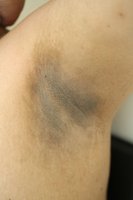
Other Manifestations: Fatigue, blurred vision, slow-healing wounds, recurrent infections, and acanthosis nigricans (dark, velvety skin patches).

Complications of Type 2 Diabetes
Acute and Chronic Complications
Acute: Hyperosmolar hyperglycemic state (HHS) – severe hyperglycemia, dehydration, and altered mental status without significant ketoacidosis.
Chronic: Cardiovascular disease, nephropathy, neuropathy, retinopathy, and increased risk of infections.
Hyperosmolar Hyperglycemic State (HHS)
Precipitating Factors: Infection, illness, dehydration, or poor medication adherence.
Manifestations: Extreme hyperglycemia, profound dehydration, confusion, and possible coma.
Treatment: Aggressive IV fluid replacement, insulin therapy, and correction of underlying causes.
Diagnostic Tests
Laboratory Evaluation of T2D
Fasting Blood Sugar (FBS) / Fasting Plasma Glucose (FPG): Measures blood glucose after at least 8 hours of fasting. Diagnostic if ≥126 mg/dL on two occasions.

Oral Glucose Tolerance Test (OGTT): Measures plasma glucose 2 hours after a 75g oral glucose load. Diagnostic if ≥200 mg/dL.

Other Tests: Random plasma glucose, HbA1c (glycated hemoglobin; diagnostic if ≥6.5%).
Collaborative Care and Treatment
Interprofessional Management
Treatment focuses on maintaining blood glucose at near-normal levels to prevent complications.
Lifestyle Modification: Diet, exercise, and weight loss are foundational interventions.
Pharmacologic Therapy: Oral hypoglycemic agents (e.g., metformin, sulfonylureas) and, if needed, insulin.
Metabolic Surgery: Bariatric surgery may be considered for select patients with obesity and poor glycemic control.
Exercise: Regular physical activity improves insulin sensitivity and glycemic control.

Lifespan Considerations
Children
Increased Incidence: Attributed to rising childhood obesity rates.
Clinical Manifestations: Similar to adults; insulin resistance markers such as acanthosis nigricans are common.
Nursing Considerations: Emphasize parental involvement and multidisciplinary team care.
Pregnant Women
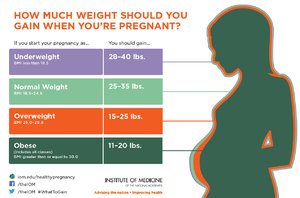
Priority: Weight management and glycemic control to reduce maternal and fetal complications.
Comorbidities: Monitor for hypertension, preeclampsia, and macrosomia.
Older Adults
Polypharmacy: Increased risk due to multiple medications for comorbidities.
Functional Disabilities: May impact self-care and medication adherence.
Goals: Similar to younger adults but individualized based on comorbidities and life expectancy.

Nursing Process in T2D Care
Assessment, Diagnosis, Planning, Implementation, and Evaluation
Assessment: Health history, physical exam, and identification of risk factors and symptoms.
Diagnosis: Based on clinical findings and laboratory results.
Planning: Set individualized goals for glycemic control, lifestyle changes, and complication prevention.
Implementation: Patient education, medication administration, and coordination of care.
Evaluation: Ongoing monitoring of blood glucose, complications, and patient adherence.

Patient Teaching
Three Levels: Basic survival skills, home management, and improving quality of life through self-care and complication prevention.
Summary Table: Diagnostic Criteria for T2D
Test | Diagnostic Value |
|---|---|
Fasting Plasma Glucose (FPG) | ≥126 mg/dL |
Oral Glucose Tolerance Test (OGTT) | ≥200 mg/dL (2 hours post-load) |
Random Plasma Glucose | ≥200 mg/dL with symptoms |
HbA1c | ≥6.5% |
Key Equations
Body Mass Index (BMI):
Estimated Average Glucose (eAG) from HbA1c:
Additional info:
Early detection and management of T2D are crucial for preventing complications.
Patient education and culturally competent care are essential components of nursing practice in diabetes management.
