 Back
A Tour of the Cell: Structure, Function, and Diversity
Study Guide - Smart Notes
 Tailored notes based on your materials, expanded with key definitions, examples, and context.
Chapter 4: A Tour of the Cell
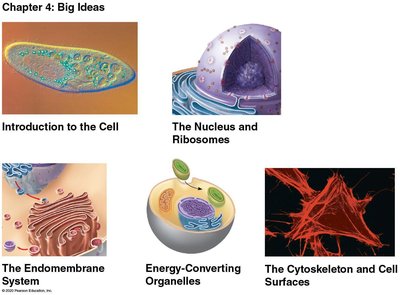
Introduction to the Cell
The study of cells is fundamental to understanding life. The development of microscopes allowed scientists to observe cells and led to the formulation of cell theory, which is central to biology.
Cell Theory: All living things are composed of cells; all cells come from other cells; cells are the basic units of life.
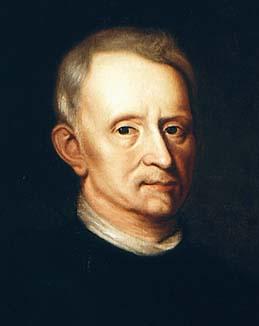
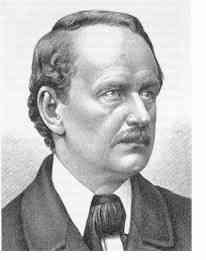
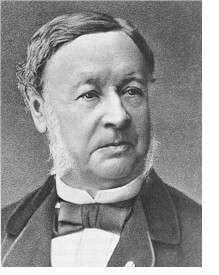
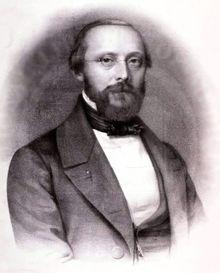
Historical Figures: Robert Hooke (first observed cells in cork), Anton van Leeuwenhoek (observed living cells), Mathias Schleiden (all plants are made of cells), Theodor Schwann (all animals are made of cells), Rudolf Virchow (cells arise from pre-existing cells).
Microscopes Reveal the World of the Cell
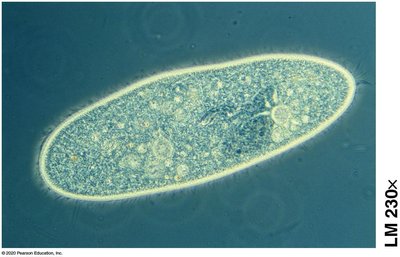
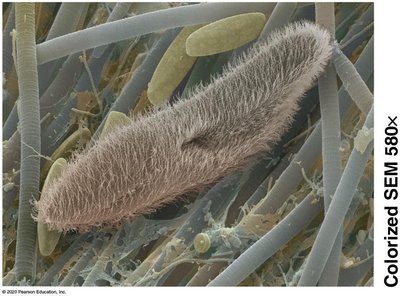
Microscopes are essential tools for studying cell structure and function. Different types of microscopes provide varying levels of magnification and resolution.
Light Microscope: Allows observation of living cells.
Electron Microscopes: Scanning (SEM) and Transmission (TEM) microscopes reveal cell ultrastructure.
Magnification: Increase in image size compared to actual size.
Resolution: Clarity of an image; ability to distinguish two close objects as separate.


The Small Size of Cells and Surface-to-Volume Ratio
Cell size is limited by the need to efficiently exchange materials across the plasma membrane. Smaller cells have a higher surface-to-volume ratio, facilitating this exchange.
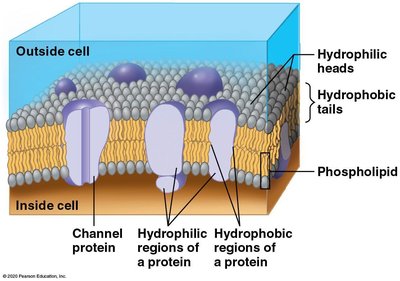
Plasma Membrane: Phospholipid bilayer with embedded proteins; regulates movement of substances.
Surface-to-Volume Ratio: Higher in smaller cells, allowing more efficient material exchange.

Prokaryotic vs. Eukaryotic Cells
Cells are classified as prokaryotic or eukaryotic based on their structural features. Prokaryotic cells are simpler and lack membrane-bound organelles, while eukaryotic cells are more complex.
Prokaryotic Cells: Found in Bacteria and Archaea; lack nucleus and organelles.
Eukaryotic Cells: Found in Eukarya; have a nucleus and various organelles.
Common Features: Plasma membrane, DNA, ribosomes, cytosol.

Eukaryotic Cell Compartmentalization
Eukaryotic cells are organized into functional compartments by membrane-enclosed organelles. This compartmentalization allows specialized functions to occur efficiently.
Genetic Control: Nucleus and ribosomes.
Manufacture, Distribution, Breakdown: Endoplasmic reticulum, Golgi apparatus, lysosomes, vacuoles, peroxisomes.
Energy Processing: Mitochondria (all cells), chloroplasts (plant cells).
Structural Support, Movement, Communication: Cytoskeleton, plasma membrane, cell wall (plants).
The Nucleus and Ribosomes
The nucleus contains the cell's genetic material and directs protein synthesis. Ribosomes are the sites of protein synthesis, composed of ribosomal RNA and proteins.
Nucleus: Houses DNA; site of transcription (mRNA synthesis).
Nucleolus: Assembles ribosome subunits.
Ribosomes: Synthesize proteins according to DNA instructions.
The Endomembrane System
The endomembrane system consists of interconnected organelles involved in the synthesis, distribution, storage, and export of molecules.
Endoplasmic Reticulum (ER): Smooth ER synthesizes lipids and detoxifies; Rough ER produces proteins and membranes.
Golgi Apparatus: Modifies, sorts, and ships cell products.
Lysosomes: Digestive compartments; break down substances and organelles.
Vacuoles: Storage and maintenance; central vacuole in plants stores molecules and wastes.
Peroxisomes: Metabolic compartments; break down organic molecules by oxidation.
Energy-Converting Organelles
Mitochondria and chloroplasts are responsible for energy conversion in cells. Mitochondria perform cellular respiration, while chloroplasts carry out photosynthesis.
Mitochondria: Harvest chemical energy from food; contain their own DNA and ribosomes.
Chloroplasts: Convert solar energy to chemical energy (photosynthesis); found in plants and algae.
Endosymbiont Theory: Mitochondria and chloroplasts evolved from prokaryotes living within larger cells.
The Cytoskeleton and Cell Surfaces
The cytoskeleton provides structural support, movement, and organization within the cell. Cell surfaces and junctions facilitate communication and adhesion between cells.
Cytoskeleton: Includes microfilaments, intermediate filaments, and microtubules; maintains cell shape, enables movement.
Cilia and Flagella: Locomotor appendages made of microtubules; move cells or substances.
Extracellular Matrix (ECM): Supports and regulates animal cells; connects to cytoskeleton via integrins.
Cell Junctions: Tight junctions (seal cells), anchoring junctions (strengthen tissues), gap junctions (allow communication).
Plant Cell Walls: Provide support; plasmodesmata allow communication between plant cells.
Summary Table: Eukaryotic Cell Structures and Functions
The following table summarizes the main organelles and their functions in eukaryotic cells.
Organelle | Main Function |
|---|---|
Nucleus | Genetic control; houses DNA |
Ribosomes | Protein synthesis |
Endoplasmic Reticulum | Synthesis of proteins and lipids |
Golgi Apparatus | Modification and shipping of cell products |
Lysosomes | Digestion of substances and organelles |
Vacuoles | Storage and maintenance |
Peroxisomes | Oxidation of organic molecules |
Mitochondria | Cellular respiration; energy production |
Chloroplasts | Photosynthesis |
Cytoskeleton | Structural support and movement |
Plasma Membrane | Regulates entry and exit of substances |
Cell Wall (plants) | Support and protection |
Key Equations and Concepts
Surface-to-Volume Ratio:
Cell Theory: All living things are composed of cells; all cells come from other cells.
Additional info:
Cell compartmentalization increases efficiency by separating incompatible reactions and concentrating reactants.
Endosymbiont theory is supported by mitochondria and chloroplasts having their own DNA and similarities to prokaryotes.
