 Back
BackL3: Alternation of Generations in Plants: Comparative Life Cycles of Mosses, Ferns, and Seed Plants
Study Guide - Smart Notes
 Tailored notes based on your materials, expanded with key definitions, examples, and context.
Alternation of Generations in Plants
Overview of Alternation of Generations
All land plants exhibit a life cycle known as alternation of generations, which alternates between two distinct multicellular stages: the diploid sporophyte and the haploid gametophyte. This process is fundamental to plant reproduction and evolution, distinguishing plants from animals and other eukaryotes.
Sporophyte (2N): The diploid, spore-producing phase.
Gametophyte (1N): The haploid, gamete-producing phase.
Meiosis: Produces haploid spores from diploid sporophytes.
Fertilization: Fusion of gametes produces a diploid zygote, which grows into a sporophyte.
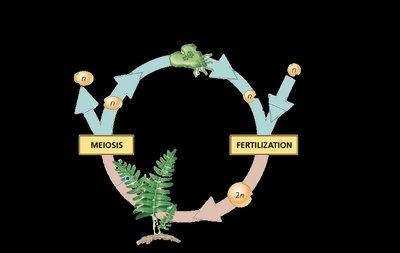
Mosses: Gametophyte Dominance
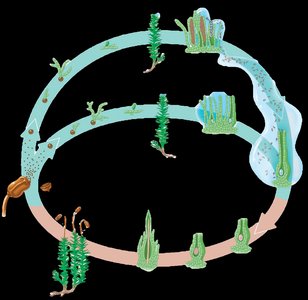
Life Cycle and Structures
Mosses are non-vascular plants (bryophytes) in which the gametophyte is the dominant, photosynthetic, and free-living stage. The sporophyte is small, short-lived, and nutritionally dependent on the gametophyte.
Gametophyte: Multicellular, larger, and independent; produces gametes in specialized organs.
Antheridia: Male sex organs producing sperm.
Archegonia: Female sex organs containing eggs.
Fertilization: Requires water for sperm motility.
Sporophyte: Develops from the zygote, remains attached to the gametophyte, and releases spores.
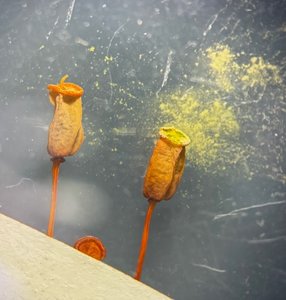
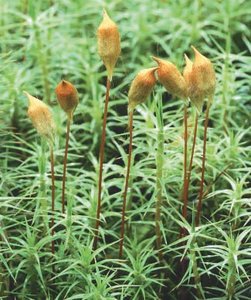
Key Features of Moss Life Cycle
Dominant generation: Gametophyte (1N)
Sporophyte (2N) is dependent and small
Dispersal unit: Spore
Product of meiosis: Spore (1N)
Role of mitosis: Multicellular growth of both gametophyte and sporophyte
Ferns: Sporophyte Dominance and Vascular Evolution
Life Cycle and Structures
Ferns are seedless vascular plants (tracheophytes) in which the sporophyte is the dominant, large, and independent stage. The gametophyte is small, free-living, and photosynthetic, producing both antheridia and archegonia on the same individual.
Sporophyte: Large, dominant, and independent; produces spores via meiosis in sporangia.
Gametophyte: Small, heart-shaped, photosynthetic, and bisexual (produces both gametes).
Fertilization: Requires water for sperm to swim to egg.
Young sporophyte: Grows out of the archegonium on the gametophyte.
Key Features of Fern Life Cycle
Dominant generation: Sporophyte (2N)
Gametophyte (1N) is small, free-living, and short-lived
Dispersal unit: Spore
Product of meiosis: Spore (1N)
Role of mitosis: Multicellular growth of both gametophyte and sporophyte
Seed Plants: Ultimate Sporophyte Dominance
Gymnosperms and Angiosperms
Seed plants (gymnosperms and angiosperms) exhibit extreme reduction of the gametophyte generation. The sporophyte is the dominant, complex plant body, while the gametophyte is highly reduced and dependent on the sporophyte.
Male gametophyte: Reduced to pollen grains (2-3 cells in angiosperms).
Female gametophyte: Reduced to embryo sac (7 cells in angiosperms), retained within ovule.
Fertilization: Occurs within specialized structures (cones or flowers), does not require external water.
Seed: Contains the diploid embryo, a food supply, and a protective coat.
Key Features of Seed Plant Life Cycle
Dominant generation: Sporophyte (2N)
Gametophyte (1N) is microscopic and dependent
Dispersal unit: Seed (contains 2N embryo)
Product of meiosis: Microspores and megaspores (1N)
Role of mitosis: Multicellular growth of sporophyte; gametophyte development within sporophyte tissues
Comparing Plant and Animal Life Cycles
Key Differences
Unlike plants, animals (including humans) do not have an independent multicellular haploid stage. The animal life cycle is diplontic, with the diploid stage being dominant and gametes produced directly by meiosis.
Plants: Alternation of generations (multicellular haploid and diploid stages)
Animals: Diplontic life cycle (no multicellular haploid stage; gametes are single-celled)
Summary Table: Life Cycle Features of Mosses, Ferns, and Seed Plants
Feature | Mosses | Ferns | Seed Plants (Gymnosperms & Angiosperms) |
|---|---|---|---|
Type of Life Cycle | Alternation of Generations | Alternation of Generations | Alternation of Generations |
Dominant Generation | Gametophyte (1N) | Sporophyte (2N) | Sporophyte (2N) |
Gametophyte Stage | Multicellular, larger, free-living | Multicellular, small, free-living | Highly reduced, microscopic, dependent (pollen, embryo sac) |
Sporophyte Stage | Multicellular, dependent, small | Multicellular, dominant, large | Multicellular, dominant, the plant body |
Fertilization Mechanism | Requires external water | Requires external water | Specialized structures, non-water dependent |
Dispersal Unit | Spores | Spores | Seeds (containing 2N embryo) |
Product of Meiosis | Spores (1N) | Spores (1N) | Microspores and Megaspores (1N) |
Role of Mitosis | Multicellular growth of gametophyte & sporophyte | Multicellular growth of gametophyte & sporophyte | Multicellular growth of gametophyte & sporophyte |
Evolutionary Trends in Plant Life Cycles
From Gametophyte to Sporophyte Dominance
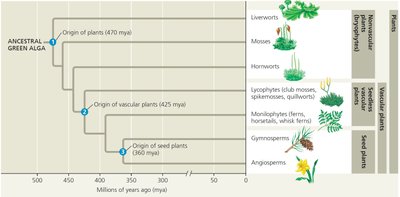
Throughout plant evolution, there is a clear trend from gametophyte dominance (bryophytes) to sporophyte dominance (vascular plants and seed plants). This shift is associated with increased protection and survival of the next generation, as well as adaptation to terrestrial environments.
Bryophytes: Gametophyte dominant, sporophyte dependent
Ferns: Sporophyte dominant, gametophyte free-living but reduced
Seed plants: Sporophyte dominant, gametophyte highly reduced and dependent
Key Terms and Concepts
Sporophyte (2N): Diploid, spore-producing phase of the plant life cycle.
Gametophyte (1N): Haploid, gamete-producing phase of the plant life cycle.
Meiosis: Cell division that reduces chromosome number by half, producing spores.
Fertilization: Fusion of gametes to form a diploid zygote.
Spore: Haploid reproductive cell that can develop into a gametophyte.
Seed: Structure containing a plant embryo and food supply, encased in a protective coat (unique to seed plants).
Summary of Evolutionary Advantages
Evolution favors sporophyte dominance in land plants due to increased protection of genetic material, enhanced dispersal mechanisms (especially seeds), and greater adaptability to terrestrial environments.
Protection: Sporophyte tissues protect developing gametophytes and embryos.
Dispersal: Seeds and spores allow colonization of new habitats.
Adaptation: Reduced gametophyte minimizes vulnerability to environmental stress.
