Back
BackAn Introduction to Animals: Animal Diversity, Body Plans, and Evolutionary Innovations
Study Guide - Smart Notes
 Tailored notes based on your materials, expanded with key definitions, examples, and context.
Introduction to Animal Diversity
Animals are a highly diverse group of multicellular eukaryotes, with millions of species inhabiting Earth. Only a fraction of these species have been described, and scientists are working to document them before extinction events reduce biodiversity further. Understanding animal diversity involves examining evolutionary origins, body plans, and the innovations that have shaped their success.
What Is an Animal?
Evolutionary Origins and Key Traits
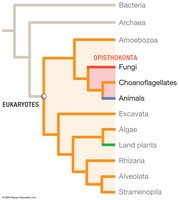
Animals originated from single-celled eukaryotes within the lineage Opisthokonta.
Choanoflagellates are the closest living relatives to animals, sharing a common ancestor approximately 900 million years ago.
Animals form a monophyletic clade defined by:
Multicellularity (cells lack cell walls, possess an extensive extracellular matrix for adhesion and communication)
Heterotrophy (obtain carbon compounds from other organisms, primarily by ingestion)
Motility (move under their own power at some life stage)
Presence of neurons and muscle cells (except sponges)
Key Innovations in Animal Evolution
Sources of Evidence
Fossils: Provide direct evidence of ancient animals, their morphology, and habitats.
Comparative Morphology: Distinguishes shared traits and synapomorphies, helping define body plans and evolutionary relationships.
Comparative Development (Evo-Devo): Reveals how gene expression and developmental processes shape morphology.
Comparative Genomics: Illuminates genetic similarities and differences, clarifying phylogenetic relationships.
Origin of Multicellularity and Sponges-First Hypothesis
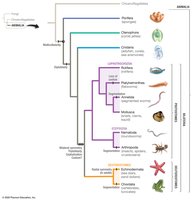
Animals are monophyletic, with a single multicellular ancestor.
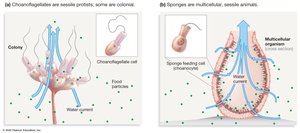
Sponges are the earliest animals in the fossil record and share key features with choanoflagellates:
Benthic and sessile lifestyle
Feeding via flagellated cells (choanocytes in sponges)
Origin of Embryonic Tissue Layers and Muscle
Sponges have the genetic toolkit for cell adhesion but lack complex tissues.
Diploblasts: Animals with two germ layers (ectoderm and endoderm).
Triploblasts: Animals with three germ layers (ectoderm, endoderm, mesoderm).
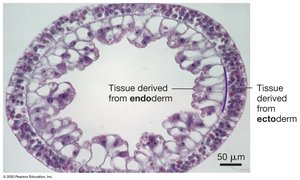
Germ layers give rise to distinct tissues and organs:
Ectoderm: Skin and nervous system
Endoderm: Digestive tract lining
Mesoderm: Circulatory system, muscle, internal structures
Origin of Body Symmetry, Cephalization, and Nervous System
Radial symmetry: Multiple planes of symmetry (e.g., cnidarians, ctenophores).
Bilateral symmetry: Single plane of symmetry, associated with cephalization and more complex nervous systems.
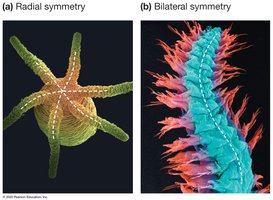
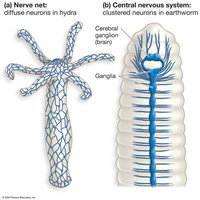
Nervous system evolution:
Sponges lack nerves and symmetry.
Radially symmetric animals have nerve nets; bilaterians have central nervous systems (CNS) with ganglia and brains.
Origin of the Coelom
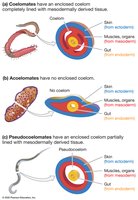
Bilaterian body plan: Tube-within-a-tube (digestive tract inside body wall).
Coelom: Fluid-filled cavity between digestive tract and body wall, allowing organ movement and nutrient circulation.
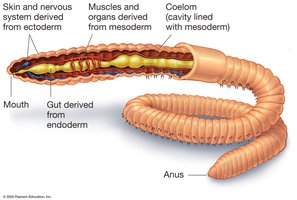
Types of body cavities:
Coelomates: Coelom completely lined with mesoderm.
Acoelomates: No coelom.
Pseudocoelomates: Coelom partially lined with mesoderm.
Origin of Protostomes and Deuterostomes
Protostomes: Mouth develops before anus from the blastopore.
Deuterostomes: Anus develops before mouth from the blastopore.
Developmental pathways for mesoderm formation are variable and not strictly diagnostic.
Origin of Segmentation
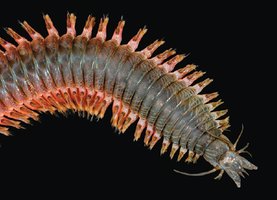
Segmentation: Division of the body into repeated segments, seen in annelids, arthropods, and vertebrates.
Segmentation enables specialization and diversification through changes in gene expression (e.g., Hox genes).
Themes in Animal Diversification
Major Drivers of Diversification
Higher oxygen levels enabled larger, more active animals.
Evolution of predation drove adaptations in prey and predators.
New ecological niches led to further diversification.
Genetic toolkits allowed for morphological innovation.
Sensory Organs
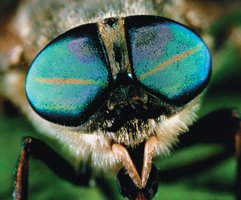
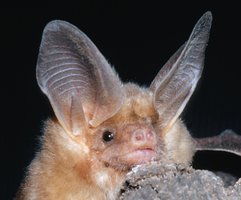
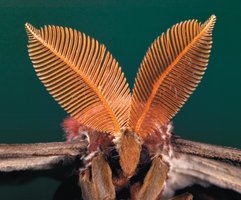
Cephalization led to concentration of sensory organs in the head.
Animals evolved diverse sensory abilities: sight, hearing, taste, smell, touch, temperature, magnetic and electric field detection, and barometric pressure sensing.
Feeding Strategies and Ecological Roles
Animals are classified by diet:
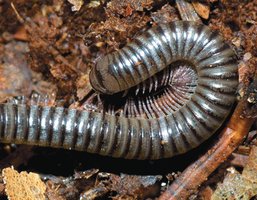
Detritivores: Feed on dead organic matter
Herbivores: Feed on plants or algae
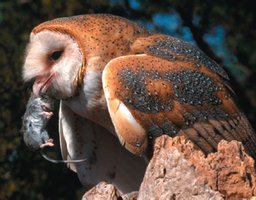
Carnivores: Feed on other animals
Omnivores: Eat both plants and animals

Feeding Mechanisms
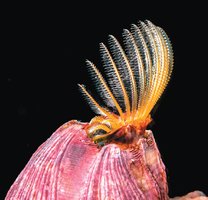
Suspension feeders: Filter particles from water or air (e.g., sponges, barnacles, baleen whales).
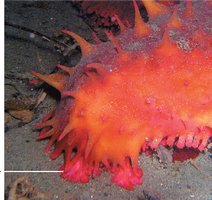
Deposit feeders: Ingest organic matter from sediments (e.g., earthworms, sea cucumbers).
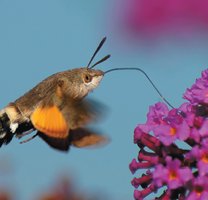
Fluid feeders: Suck or mop up liquids (e.g., butterflies, vampire bats).
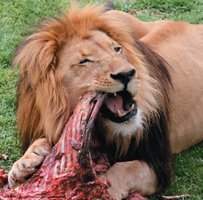
Mass feeders: Ingest chunks of food (e.g., lions, snails).
Movement and Locomotion
Locomotion aids in finding food, mates, escaping predators, and dispersal.
Three skeletal types:
Hydrostatic skeletons: Fluid-filled support (e.g., worms)
Endoskeletons: Internal rigid structures (e.g., vertebrates)
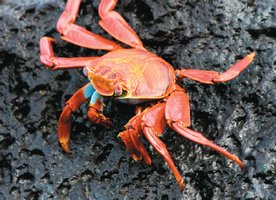
Exoskeletons: External rigid structures (e.g., arthropods)
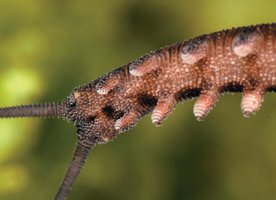
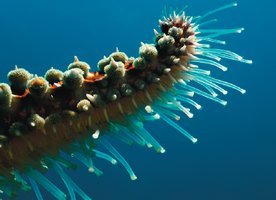
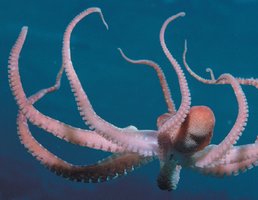
Limbs evolved in various forms, contributing to movement diversity.
Reproduction and Life Cycles
Reproduction is essential for evolutionary success.
Modes of reproduction:
Asexual reproduction: Mitosis, budding, or parthenogenesis (e.g., rotifers).
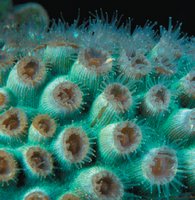
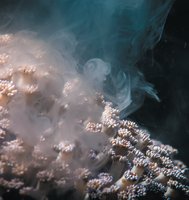
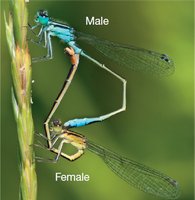
Sexual reproduction: Meiosis and gamete fusion; increases genetic diversity.
Fertilization can be internal or external.
Embryo development strategies:
Viviparous: Live birth (e.g., most mammals)
Oviparous: Egg-laying (majority of animals)
Ovoviviparous: Eggs retained inside female, hatch internally (e.g., some fish, reptiles)
Life Cycles and Metamorphosis
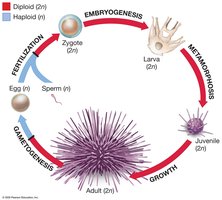
Most animals have diploid-dominant life cycles.
Metamorphosis: Drastic change from larval to adult stage, often involving different habitats and diets.
Metamorphosis may enhance dispersal and reduce competition between life stages.
Key Lineages of Non-Bilaterian Animals
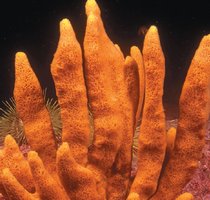
Porifera (Sponges)
Sessile, mostly marine suspension feeders.
Adults are sessile; larvae are motile.
Reproduce sexually and asexually; host photosynthetic symbionts.
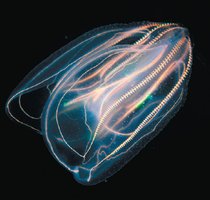
Ctenophora (Comb Jellies)
Mostly planktonic, predatory animals.
Use sticky cells (colloblasts) to capture prey.
Efficient predators despite harmless appearance.
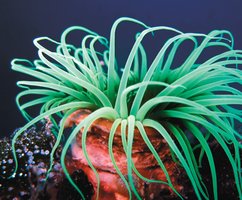
Cnidaria (Jellyfish, Corals, Anemones, Hydroids)
Found in all oceans; possess specialized stinging cells (cnidocytes) for prey capture.
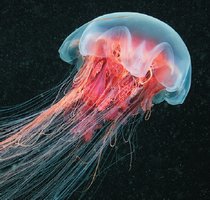
Jellyfish have both polyp (asexual) and medusa (sexual) stages; corals and anemones are only polyps.
Corals are ecosystem engineers, building reefs from calcium carbonate skeletons and hosting photosynthetic symbionts.
Coral reefs are threatened by climate change, while jellyfish populations are increasing in some areas.