 Back
BackAn Introduction to Invertebrates
Study Guide - Smart Notes
 Tailored notes based on your materials, expanded with key definitions, examples, and context.
An Introduction to Invertebrates
Overview of Invertebrate Diversity
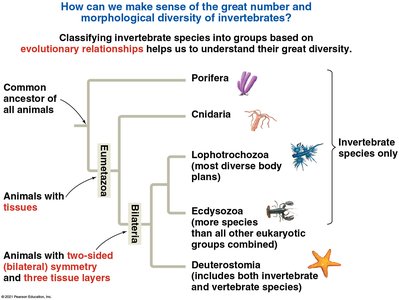
Invertebrates are animals that lack a backbone and represent the vast majority of animal diversity on Earth. They are classified into several major clades based on evolutionary relationships, body plans, and developmental characteristics.
Invertebrates include all animals except those in the subphylum Vertebrata.
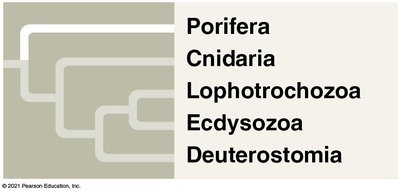
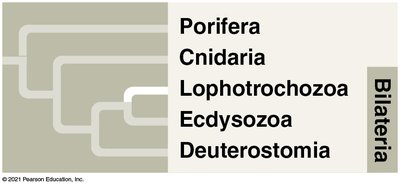
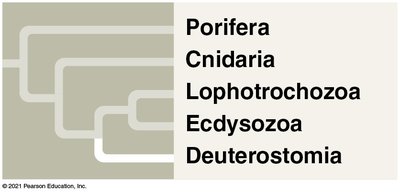
Major clades: Porifera, Cnidaria, Lophotrochozoa, Ecdysozoa, and Deuterostomia.
Classification is based on features such as tissue organization, symmetry, and embryonic development.
 =]
=]
Phylum Porifera (Sponges)
Characteristics of Sponges
Sponges are basal animals that lack true tissues and organs. They are simple, multicellular filter feeders found mostly in marine environments.
Choanocytes: Specialized cells that generate water flow and capture food particles.
Amoebocytes: Cells involved in digestion and structure formation.
Hermaphrodites: Most sponges produce both eggs and sperm.
Phylum Cnidaria
Basic Features of Cnidarians
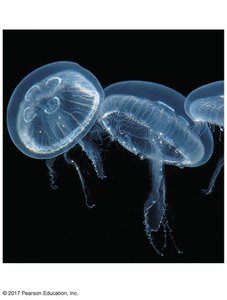
Cnidarians are among the oldest eumetazoans and include jellyfish, hydras, sea anemones, and corals. They are characterized by radial symmetry and a simple body plan.
Diploblastic: Two embryonic tissue layers (ectoderm and endoderm).
Radial symmetry: Body parts arranged around a central axis.
Gastrovascular cavity: A central digestive compartment with a single opening.
Nerve net: Noncentralized network of nerve cells.
Cnidocytes and Nematocysts
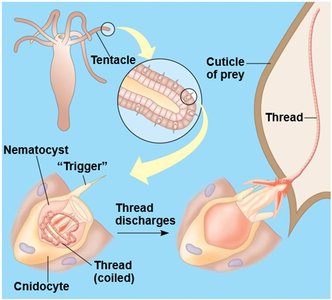
Cnidarians possess specialized cells called cnidocytes for defense and prey capture. These cells contain nematocysts, which are organelles that eject a stinging thread.
Cnidocyte: Specialized cell unique to cnidarians.
Nematocyst: Capsule within the cnidocyte that contains a coiled, stinging thread.
Clade Lophotrochozoa
General Features
Lophotrochozoans are a diverse clade of bilaterian animals, identified by molecular data. They exhibit triploblastic development and often possess a coelom and a complete digestive tract.
Some have a lophophore (feeding structure), others a trochophore larval stage.
Includes phyla such as Platyhelminthes, Syndermata, Mollusca, and Annelida.
Phylum Platyhelminthes (Flatworms)
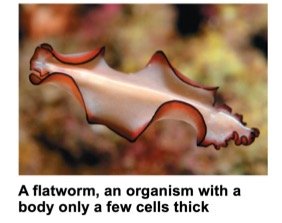
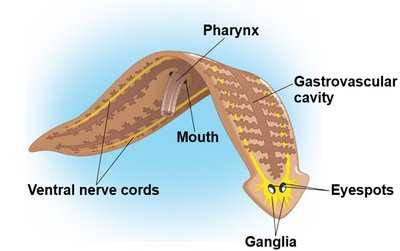
Flatworms are acoelomate, dorsoventrally flattened animals. Many are parasitic, and they possess a more centralized nervous system compared to earlier animals.
Acoelomates: Lack a body cavity.
Protonephridia: Simple excretory structures.
Dorsoventral flattening: Increases surface area for gas exchange.
Phylum Mollusca
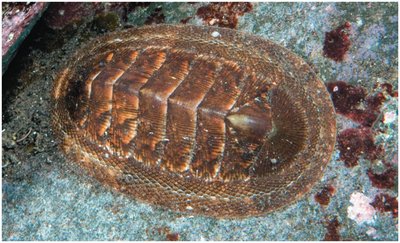
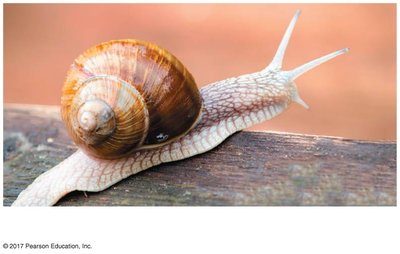
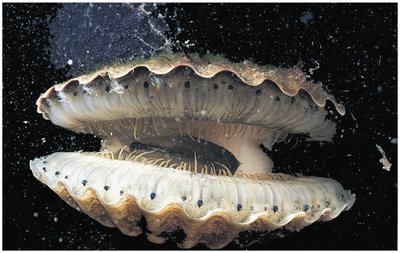
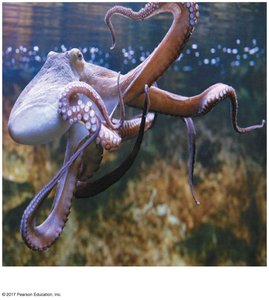
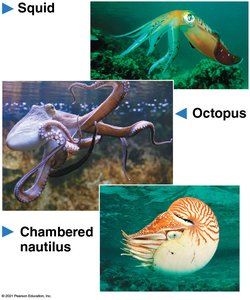
Molluscs are soft-bodied animals, most of which are protected by a calcium carbonate shell. They have a body plan consisting of a muscular foot, visceral mass, and mantle.
Major classes: Polyplacophora (chitons), Bivalvia (clams, oysters), Gastropoda (snails, slugs), Cephalopoda (squids, octopuses).
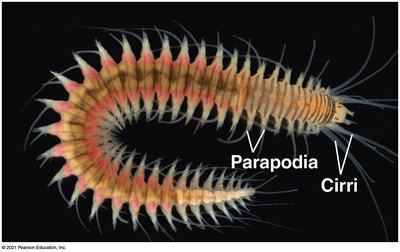
Phylum Annelida
Annelids are segmented worms with a true coelom. They are divided into errant (mobile) and sedentary (burrowing) forms.
Errantia: Mobile marine predators with parapodia for movement.
Sedentaria: Less mobile, often burrow into substrate.
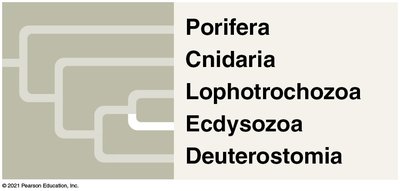
Clade Ecdysozoa
General Features
Ecdysozoans are animals that grow by molting (ecdysis) their cuticle. This clade includes the most species-rich animal groups.
Includes Nematoda (roundworms) and Arthropoda (insects, crustaceans, etc.).
Phylum Arthropoda
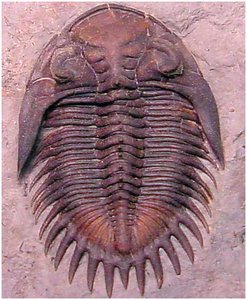
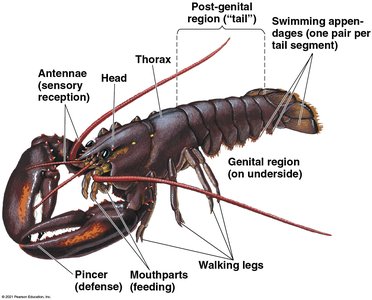
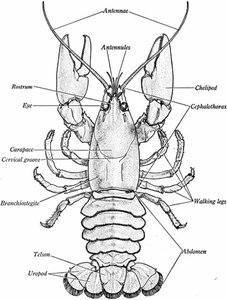
Arthropods are the most diverse animal phylum, characterized by a segmented body, hard exoskeleton, and jointed appendages. They occupy nearly all habitats on Earth.
Exoskeleton: Provides protection and prevents dehydration, enabling colonization of land.
Segmented body: Allows specialization of body regions.
Jointed appendages: Adapted for walking, feeding, sensing, and defense.
Major Arthropod Lineages
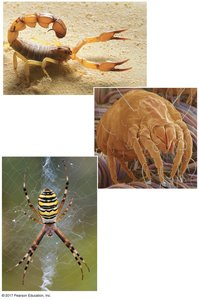
Chelicerates: Scorpions, spiders, horseshoe crabs, ticks, mites.
Myriapods: Centipedes and millipedes.
Pancrustaceans: Insects and crustaceans (lobsters, crabs, shrimp).


Insect Metamorphosis
Many insects undergo metamorphosis during their development, which can be complete or incomplete.
Complete metamorphosis: Distinct larval, pupal, and adult stages (e.g., butterflies).
Incomplete metamorphosis: Juveniles resemble adults but are smaller and lack wings.

Clade Deuterostomia
General Features
Deuterostomes are defined by their embryonic development: radial cleavage and formation of the anus from the blastopore. This clade includes both invertebrate and vertebrate species.
Major invertebrate group: Echinodermata (sea stars, sea urchins).
Chordates include all vertebrates and some invertebrates.
Phylum Echinodermata
Echinoderms are marine animals with a unique water vascular system and radial symmetry in adults. Their endoskeleton is made of calcareous plates.
Water vascular system: Network of hydraulic canals for movement and feeding.
Examples: Sea stars, sea urchins, sand dollars.
Phylum Chordata
Chordates are bilaterally symmetrical coelomates with segmented bodies. This phylum includes all vertebrates and some invertebrates.
Key features: Notochord, dorsal hollow nerve cord, pharyngeal slits, post-anal tail (at some stage of development).
