 Back
BackAn Overview of Animal Diversity
Study Guide - Smart Notes
 Tailored notes based on your materials, expanded with key definitions, examples, and context.
Chapter 32: An Overview of Animal Diversity
Introduction to Animal Diversity
Animals are a diverse group of multicellular, heterotrophic eukaryotes that share a set of key characteristics. This chapter explores the defining features of animals, their evolutionary history, and the major body plans that distinguish animal phyla.
Defining Characteristics of Animals
Nutritional Mode
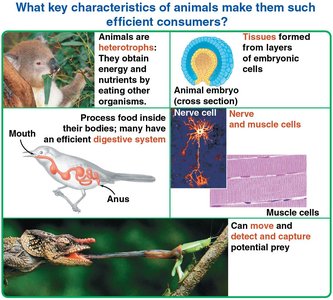
Heterotrophy: Animals obtain energy and nutrients by ingesting other organisms, unlike plants (autotrophs) and fungi (which absorb nutrients after external digestion).
Internal Digestion: Animals ingest food and digest it internally within specialized digestive systems.
Cell Structure and Specialization
Multicellularity: Animals are composed of multiple cells lacking cell walls, supported instead by structural proteins such as collagen.
Specialized Tissues: Unique to animals are nervous and muscle tissues, which enable rapid response and movement.
Tissues: Groups of similar cells that act as functional units.
Reproduction and Development
Sexual Reproduction: Most animals reproduce sexually, with the diploid stage dominating the life cycle.
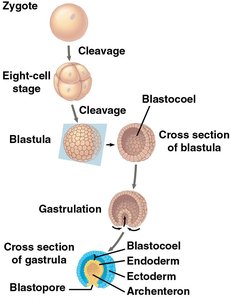
Cleavage: After fertilization, the zygote undergoes rapid cell divisions (cleavage) without growth, forming a blastula (hollow ball of cells).
Gastrulation: The blastula undergoes gastrulation, forming a gastrula with embryonic tissue layers (germ layers).
Larval Stages: Many animals have a larval stage that is morphologically and behaviorally distinct from the adult.
Genetic Control of Development
Developmental Genes: All animals possess genes that regulate the expression of other genes during development.
Hox Genes: Most animals share a unique family of regulatory genes (Hox genes) that control body plan and morphology.
Evolutionary History of Animals
Origin of Multicellular Animals
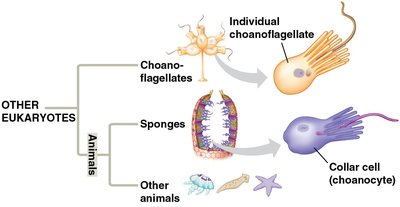
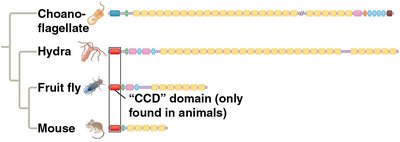
Morphological and molecular evidence indicates that animals evolved from choanoflagellate-like protists. The closest living relatives to animals are choanoflagellates, which share genes involved in cell adhesion and signaling with animals.
Major Eras in Animal Evolution
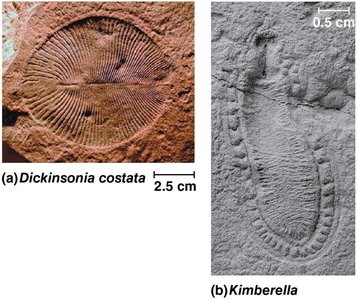
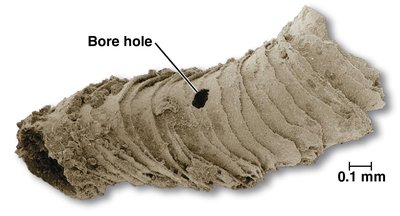
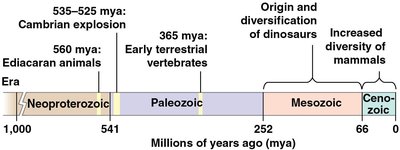
Neoproterozoic Era (1 Billion–541 Million Years Ago): First macroscopic animal fossils (Ediacaran biota) appear; evidence of early predation.
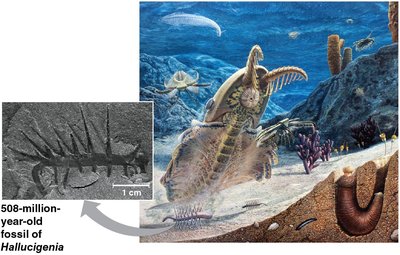
Paleozoic Era (541–252 Million Years Ago): Cambrian explosion leads to rapid diversification; first hard-bodied animals; colonization of land by arthropods and vertebrates.
Mesozoic Era (252–66 Million Years Ago): Emergence of coral reefs, dinosaurs, mammals, and diversification of flowering plants and insects.
Cenozoic Era (66 Million Years Ago–Present): Mammals diversify and increase in size; primate ancestors of humans appear.
Animal Body Plans
Symmetry
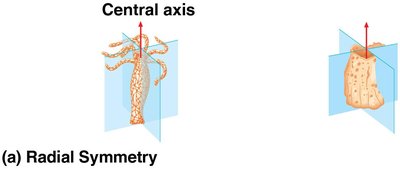
Radial Symmetry: Body parts arranged around a central axis; typical of sessile or planktonic animals (e.g., cnidarians).
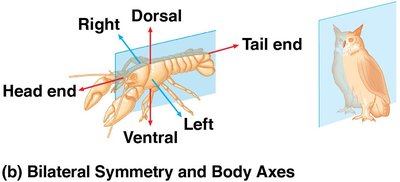
Bilateral Symmetry: Body has right and left sides, dorsal (top) and ventral (bottom), anterior (head) and posterior (tail) ends; associated with active movement and cephalization (concentration of sensory organs at the head).
Tissues and Germ Layers
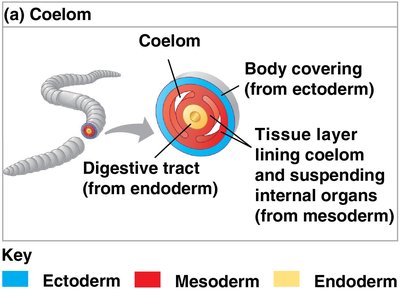
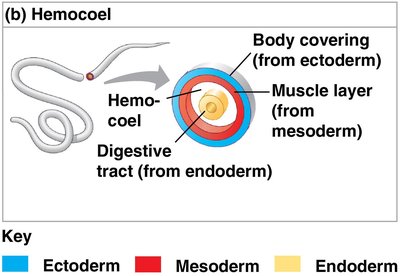
Diploblastic Animals: Have two germ layers (ectoderm and endoderm); e.g., cnidarians.
Triploblastic Animals: Have three germ layers (ectoderm, mesoderm, endoderm); includes all bilaterians.
Body Cavities
Coelom: A true body cavity completely lined by mesoderm-derived tissue; cushions organs and allows independent movement of internal organs.
Hemocoel: A body cavity formed between mesoderm and endoderm, filled with hemolymph (e.g., in molluscs and arthropods).
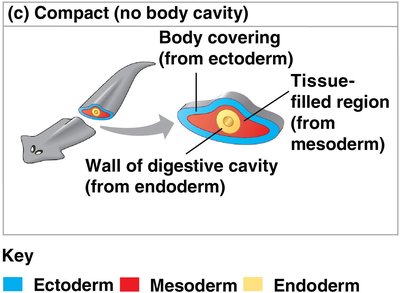
Acoelomate: Animals lacking a body cavity; typically compact with tissues filling the space between gut and body wall.
Developmental Modes: Protostomes vs. Deuterostomes
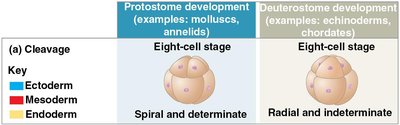
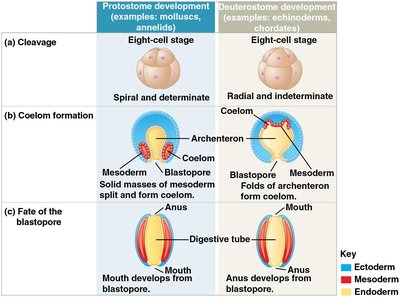
Cleavage: Protostomes exhibit spiral, determinate cleavage; deuterostomes have radial, indeterminate cleavage.
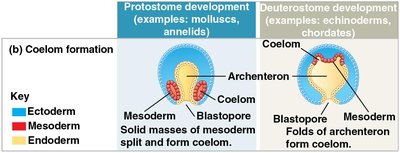
Coelom Formation: In protostomes, the coelom forms from solid masses of mesoderm; in deuterostomes, it forms from folds of the archenteron.
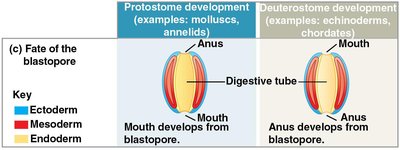
Fate of the Blastopore: In protostomes, the blastopore becomes the mouth; in deuterostomes, it becomes the anus.
Feature | Protostome Development | Deuterostome Development |
|---|---|---|
Cleavage | Spiral, determinate | Radial, indeterminate |
Coelom Formation | Solid masses of mesoderm split and form coelom | Folds of archenteron form coelom |
Fate of Blastopore | Mouth develops from blastopore | Anus develops from blastopore |
Animal Phylogeny
Major Clades and Relationships
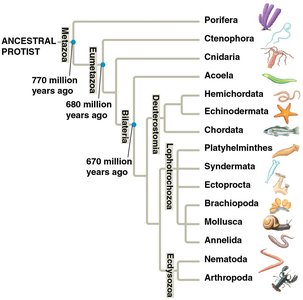
All animals share a common ancestor.
Sponges are the sister group to all other animals.
Eumetazoa is a clade of animals with true tissues.
Most animal phyla belong to the clade Bilateria, which is divided into three major clades: Deuterostomia, Ecdysozoa, and Lophotrochozoa.
Most bilaterians are invertebrates; only Chordata includes vertebrates.
Bilaterian Clades
Deuterostomia: Includes hemichordates, echinoderms, and chordates (vertebrates and some invertebrates).
Ecdysozoa: All members secrete an exoskeleton and undergo ecdysis (molting); includes nematodes and arthropods.
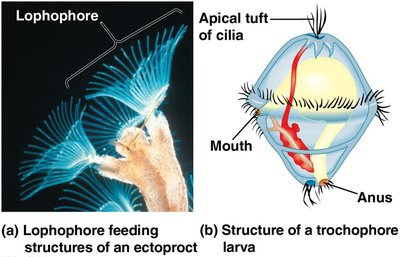
Lophotrochozoa: Named for the presence of a lophophore (feeding structure) or trochophore larva in some members; includes molluscs, annelids, and ectoprocts.
Summary Table: Major Animal Clades
Clade | Key Features | Examples |
|---|---|---|
Deuterostomia | Blastopore becomes anus; radial cleavage | Echinoderms, chordates |
Ecdysozoa | Exoskeleton, ecdysis (molting) | Nematodes, arthropods |
Lophotrochozoa | Lophophore or trochophore larva | Molluscs, annelids, ectoprocts |
Conclusion
Animal diversity is the result of over half a billion years of evolution, with major innovations in body plans, tissues, and developmental modes. Understanding these features provides a framework for studying the vast array of animal life on Earth.
