 Back
BackAn Overview of Animal Diversity: Structure, Evolution, and Body Plans
Study Guide - Smart Notes
 Tailored notes based on your materials, expanded with key definitions, examples, and context.
An Overview of Animal Diversity
Introduction to Animal Diversity
Animal diversity encompasses the vast range of multicellular organisms classified within the kingdom Animalia. Animals are distinguished from other eukaryotes by their unique structural, developmental, and functional characteristics. Understanding animal diversity is fundamental to biology, as it reveals evolutionary relationships and adaptations.
Multicellular Eukaryotes: Animals are multicellular, with specialized cells forming tissues and organs.
Heterotrophic Nutrition: Animals obtain energy by consuming other organisms.
Absence of Cell Walls: Unlike plants and fungi, animal cells lack rigid cell walls and are supported by proteins such as collagen.
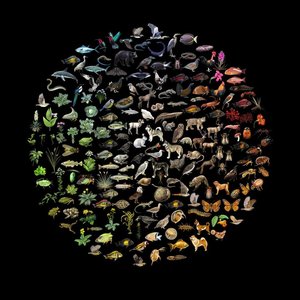
Diversity of Multicellular Eukaryotes
The diversity of multicellular eukaryotes includes animals, plants, fungi, and protists. Animals represent the largest group, with over 1.3 million described species.
Animals (Metazoa): Over 1,336,000 species, including invertebrates and vertebrates.
Plants: Approximately 288,000 species.
Fungi: Around 100,000 species.
Protists: Mostly unicellular, with about 83,000 species.
Diversity of Animals (Metazoa)
Animals are divided into invertebrates and vertebrates. Invertebrates constitute the majority, with terrestrial arthropods being the most numerous.
Invertebrates: 1,277,162 species, including arthropods, mollusks, nematodes, and others.
Vertebrates: 59,000 species, including fish, amphibians, reptiles, birds, and mammals.
Diversity of Invertebrate Animals
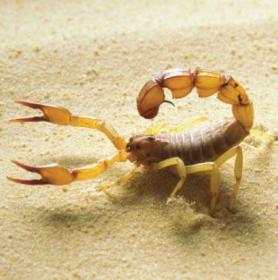
Invertebrates are further classified into terrestrial arthropods (e.g., insects, myriapods, arachnids) and other invertebrates.
Terrestrial Arthropods: 1,092,000 species, including insects and their relatives.
Other Invertebrates: 185,000 species, including mollusks, annelids, nematodes, and more.
Diversity of Non-Terrestrial Invertebrates
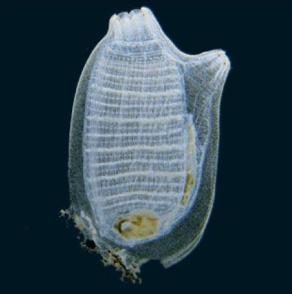
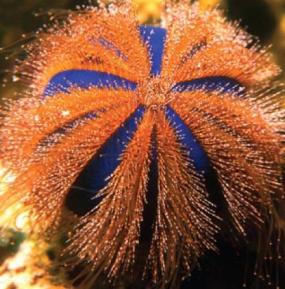
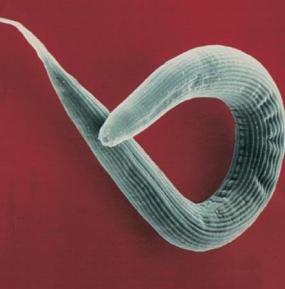
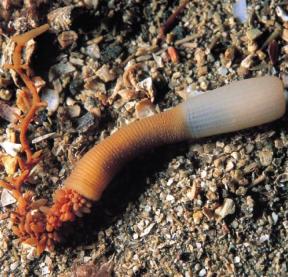
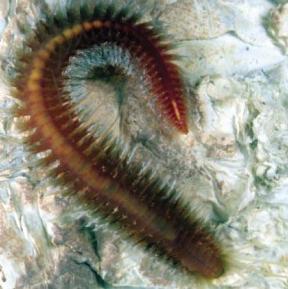
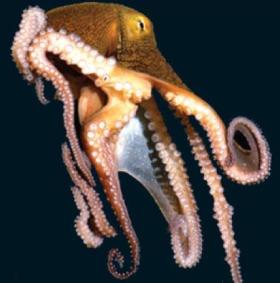
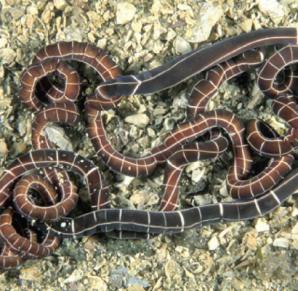
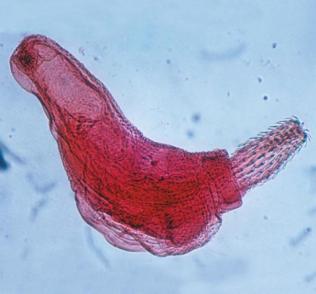
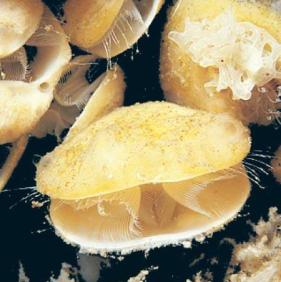
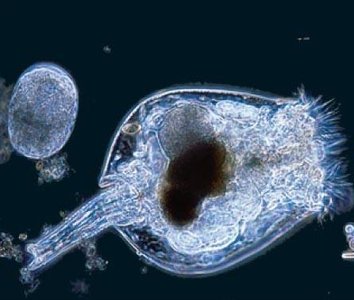
Non-terrestrial invertebrates include crustaceans, mollusks, nematodes, platyhelminthes, annelids, and cnidarians. These groups represent a wide range of body plans and ecological niches.
Crustaceans & Other Arthropods: Aquatic and marine species.
Mollusca: Includes snails, octopuses, and bivalves.
Nematoda: Roundworms, many of which are parasitic.
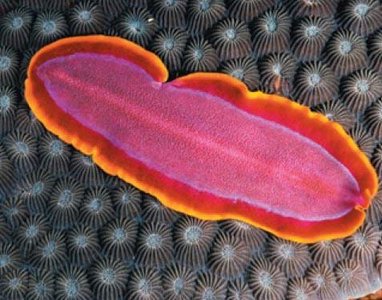
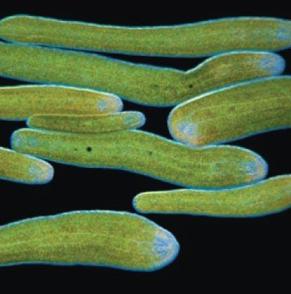
Platyhelminthes: Flatworms, including planarians and tapeworms.
Annelida: Segmented worms such as earthworms and polychaetes.
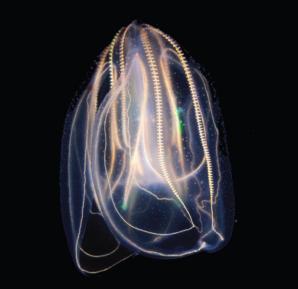
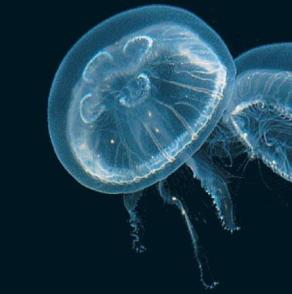
Cnidaria: Jellyfish, corals, and sea anemones.
Characteristics That Define Animals
Key Features of Animals
Animals are defined by several unique characteristics that distinguish them from other life forms.
Multicellularity: Composed of multiple cells with specialized functions.
Heterotrophy: Obtain nutrients by consuming other organisms.
No Cell Walls: Cells are flexible, supported by collagen.
Muscle and Nerve Cells: Most animals possess contractile muscle cells and nerve cells for movement and coordination.
Complex Development: Undergo gastrulation, forming multiple tissue layers.
Reproduction in Animals
Animal reproduction is primarily sexual, though asexual reproduction occurs in some groups.
Asexual Reproduction: Includes budding, binary fission, and parthenogenesis.
Sexual Reproduction: Diploid adults produce haploid gametes; fertilization results in a zygote.
Early Development of Animals
Animal development involves several key stages:
Cleavage: Rapid cell division without growth.
Blastula: Formation of a hollow ball of cells (blastocoel).
Gastrulation: Invagination of cells to form the gut and embryonic tissue layers.
Gastrulation and Embryonic Tissues
Gastrulation results in the formation of germ layers:
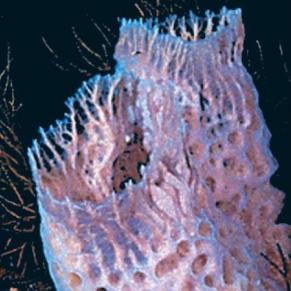
Sponges: Lack true tissues; cells are totipotent.
Diploblasts: Two germ layers (ectoderm and endoderm); e.g., Cnidaria.
Triploblasts: Three germ layers (ectoderm, endoderm, mesoderm); most animals.
Life Cycles and Larval Development
Animal life cycles may involve direct or indirect development.
Direct Development: Offspring resemble adults (e.g., mammals).
Indirect Development: Larvae differ morphologically and ecologically from adults; metamorphosis required (e.g., butterflies).
Evolutionary Origins of Animals
Phylogenetic Relationships
Animals are part of the opisthokont clade, closely related to fungi and choanoflagellates.
Choanoflagellates: Colonial protists with cells similar to sponge choanocytes.
Cell Adhesion and Communication: Evolution of multicellularity required new mechanisms for cell interaction.
Molecular Evidence: DNA sequence similarities support animal origins from choanoflagellate-like ancestors.
Fossil Record and Molecular Clocks
Split from Fungi: Estimated at 1,000 million years ago (My).
Earliest Animal Ancestors: 675–875 My.
Ediacaran Biota: Earliest large animal fossils (550–565 My), all marine.
Major Eras in Animal Evolution
Paleozoic Era (~542 My)
Cambrian Explosion: Rapid diversification of animal phyla.
Invasion of Land: Arthropods and vertebrates colonized terrestrial environments.
End-Permian Extinction: Major extinction event.
Mesozoic Era (251 My)
Age of Dinosaurs: Recovery and diversification after extinction.
Coral Reefs: Increased diversity of marine habitats.
First Mammals, Birds, and Flowering Plants: Key evolutionary innovations.
End-Cretaceous Extinction: Extinction of dinosaurs and other groups.
Cenozoic Era (65 My)
Modern Era: Diversification of large mammals, including humans.
Animal Body Plans
Conserved Body Plans
Animal body plans are highly conserved, regulated by transcription factors such as Hox genes.
Hox Genes: Control anterior-posterior patterning; conserved across animal taxa.
Pax 6: Specifies eye development.
BMP: Specifies limb development.
Nodal: Specifies left/right asymmetry.
Body Symmetry in Animals
Symmetry is a key aspect of animal classification.
Asymmetrical: Sponges lack symmetry.
Radial Symmetry: Cnidarians have multiple planes of symmetry; typical of sessile or planktonic animals.
Bilateral Symmetry: Most animals have a single plane of symmetry, with defined dorsal, ventral, anterior, and posterior regions. Cephalization (development of a head) is common.
Embryonic Tissue Layers and Body Cavities
Triploblastic animals possess three germ layers and may have fluid-filled body cavities.
Ectoderm: Outer layer; forms skin and nervous system.
Endoderm: Inner layer; forms gut lining.
Mesoderm: Middle layer; forms muscles, gonads, circulatory system.
Coelom: Fluid-filled cavity lined with mesoderm.
Coelomates: Animals with a true coelom.
Pseudocoelomates: Body cavity not fully lined with mesoderm.
Acoelomates: Lack a body cavity; body filled with connective tissue.
Protostomes vs. Deuterostomes
Coelomates are classified based on embryonic development.
Protostomes: Mesoderm forms from solid masses; determinate spiral cleavage; blastopore becomes mouth.
Deuterostomes: Mesoderm forms from endoderm buds; indeterminate radial cleavage; blastopore becomes anus.
Feature | Protostome | Deuterostome |
|---|---|---|
Coelom Formation | Solid mesoderm masses | Mesoderm buds from endoderm |
Cleavage | Spiral, determinate | Radial, indeterminate |
Blastopore Fate | Mouth | Anus |
Summary Table: Animal Diversity and Classification
Group | Species Count | Key Features |
|---|---|---|
Animals (Metazoa) | 1,336,000 | Multicellular, heterotrophic, no cell walls |
Plants | 288,000 | Multicellular, autotrophic, cell walls |
Fungi | 100,000 | Multicellular, heterotrophic, cell walls |
Protists | 83,000 | Mostly unicellular, diverse nutrition |
Conclusion
The diversity of animals is a result of evolutionary innovations in structure, development, and function. Understanding animal body plans, embryonic development, and evolutionary history provides insight into the complexity and adaptability of life on Earth. Additional info: Some details about the fossil record and molecular clocks were inferred for completeness.
