 Back
BackAnimal Behavior: Mechanisms, Learning, and Biological Rhythms
Study Guide - Smart Notes
 Tailored notes based on your materials, expanded with key definitions, examples, and context.
Animal Behavior
Introduction to Animal Behavior
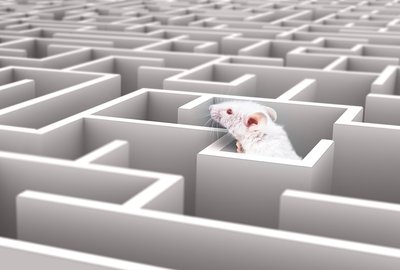
Animal behavior is the study of how animals interact with their environment, conspecifics, and other species. Ethologists focus on innate and learned behaviors, often examining the balance between genetic inheritance and environmental influence. Comparative psychology, a parallel field, investigates learning in controlled laboratory settings.
Ethology: Study of animal behavior in natural environments, emphasizing species-specific patterns.
Comparative Psychology: Focuses on learning and behavior in laboratory settings.
Key Questions: Nature vs. nurture, instinct vs. learning, genetics vs. environment.
Selected Behaviors
Fixed Action Patterns and Releasers
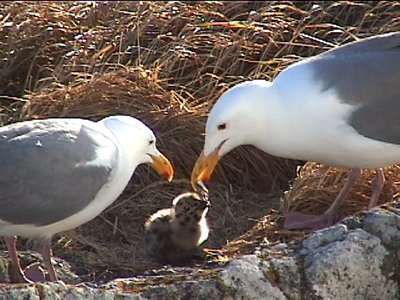
A Fixed Action Pattern (FAP) is an instinctive behavioral sequence triggered by a specific external sensory stimulus called a Releaser (or Sign Stimulus). These behaviors are highly stereotyped and species-specific.
Releaser: A simple sensory cue that triggers a FAP.
Example: In herring gulls, chicks peck at the red dot on the parent’s bill, prompting the parent to regurgitate food.

Spatial Learning
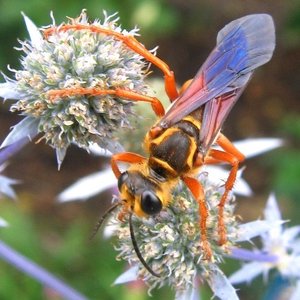
Spatial learning involves the use of environmental cues to navigate and locate resources. Tinbergen’s experiments with digger wasps demonstrated that these insects use landmarks to find their nests.
Example: Female digger wasps learn the arrangement of pine cones around their nest entrance. When the cones are moved, the wasp searches at the new location, showing reliance on learned spatial cues.
Imprinting
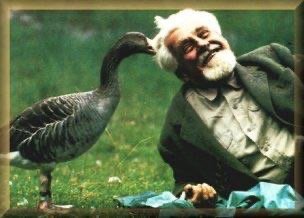
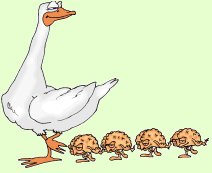
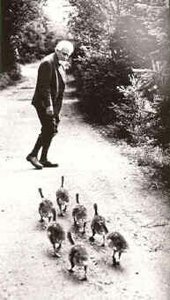
Imprinting is a form of learning occurring during a critical period, where young animals form attachments and learn key stimuli that later act as releasers for behavior. Konrad Lorenz’s work with goslings showed that they imprint on the first moving object they see, which is usually their parent.
Critical Period: A specific developmental window when imprinting can occur, leading to long-lasting behavioral effects.
Example: Goslings following Lorenz or other objects if exposed during the critical period.
Communication
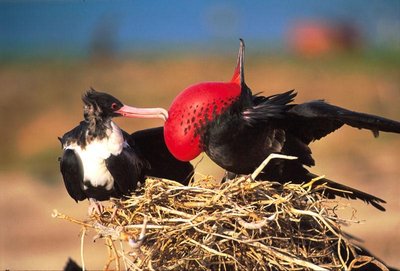
Communication in animals involves signals that influence the behavior of other individuals. Signals can be chemical, visual, auditory, tactile, or electric, and their effectiveness depends on environmental context.
Chemical Communication: Pheromones convey information such as reproductive status or territory boundaries (e.g., cats marking territory).
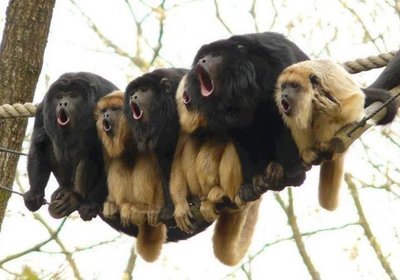
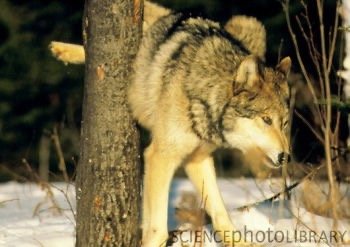
Auditory Communication: Birdsong, howling, and other sounds transmit information over distances.
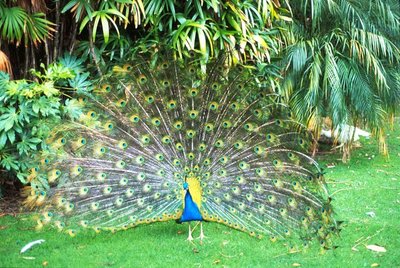
Visual Communication: Displays such as peacock feathers or threat postures.
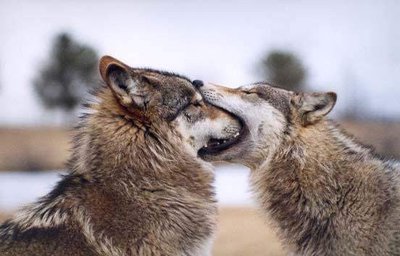
Tactile Communication: Touch, such as grooming or the honeybee dance.

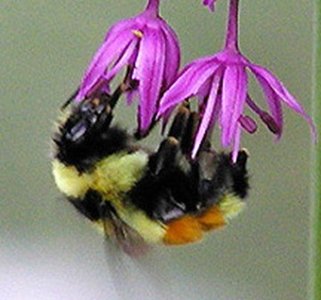
Honeybee Dance Language
Honeybees use tactile communication to convey information about food sources. The round dance indicates food is nearby, while the waggle dance communicates distance and direction for food farther away.
Round Dance: Used for food sources less than 80 meters away; hive mates detect floral scent on the dancer.
Waggle Dance: Used for distant food; the angle and duration of the waggle phase encode direction and distance relative to the sun.

Orientation and Migration
Migration
Migration is the seasonal movement between breeding and nonbreeding grounds. Many species use innate and learned cues to navigate, including the sun, stars, and Earth's magnetic field.
Example: Juvenile starlings use distance and direction navigation, while adults can compensate for displacement.
Sun/Compass Orientation
Animals use the sun as a compass, requiring knowledge of the time of day, which is provided by their circadian biological clocks. Experiments with "clock-shifting" show that altering the internal clock changes the animal's orientation relative to the sun.
Biological Clock: Internal mechanism that maintains a roughly 24-hour cycle, even in constant conditions.
Clock-Shift Experiments: Birds trained to find food in a specific direction will misorient if their internal clock is shifted relative to the sun's position.
Circadian Rhythms and Biological Clocks
Properties of Circadian Rhythms
Circadian rhythms are endogenous, approximately 24-hour cycles in physiology and behavior. They persist in constant conditions and are synchronized to the environment by external cues (zeitgebers), such as light.
Temperature Compensation: Circadian clocks run at similar rates across a range of temperatures.
Synchronization: Normally aligned with the daily light/dark cycle.
Consequences of Biological Clocks in Humans
Having an internal clock affects sleep, alertness, and health. Disruptions (e.g., shift work, jet lag) can lead to sleep disorders, fatigue, impaired performance, and health problems.
Chronopharmacology: Timing of medication can affect efficacy due to circadian variation in physiology.
Examples: Sleep disorders, eating disorders, accidents, and mood disorders are linked to circadian misalignment.
Measuring Endogenous Rhythms
To study endogenous rhythms, subjects are isolated from external time cues. Human studies often use isolation chambers, and data are collected on sleep/wake cycles, hormone levels, and body temperature.
Sample Questions and Applications
Song Learning in Birds: If young birds are only exposed to parents during feeding and do not hear song, song learning is likely innate.
Sign Stimulus: Stickleback fish attacking models with red coloring demonstrates the concept of a releaser.
Orientation in Birds: Correct orientation in a food arena requires knowledge of both the time of day and the sun's position.
Summary Table: Modes of Animal Communication
Mode | Example | Key Features |
|---|---|---|
Chemical | Pheromones in moths, territory marking in mammals | Long-lasting, effective in dark or dense environments |
Visual | Peacock displays, threat postures | Rapid, requires line of sight, effective in daylight |
Auditory | Birdsong, howling | Travels over distance, effective in darkness or dense habitats |
Tactile | Honeybee dance, grooming | Direct contact, effective in dark or crowded conditions |
Electric | Electric fish communication | Short-range, used in aquatic environments |
Additional info: This guide expands on the provided notes with definitions, examples, and a summary table for clarity and completeness.
