 Back
Animal Behavior: Mechanisms, Learning, and Communication
Study Guide - Smart Notes
 Tailored notes based on your materials, expanded with key definitions, examples, and context.
Animal Behavior
Introduction to Animal Behavior
Animal behavior is the study of how and why animals interact with each other and their environment. Behaviors can be innate (instinctive) or learned, and are shaped by both genetic and environmental factors. Understanding animal behavior helps explain survival strategies, reproductive success, and social organization in the animal kingdom.
Innate Behavior
Innate behaviors are genetically programmed and exhibited by animals without prior experience or learning. These behaviors are typically consistent across individuals of a species and are crucial for survival and reproduction.
Definition: Innate behavior is an inherited, automatic response to specific stimuli.
Examples: Reflexes, fixed action patterns, and instinctive actions such as nest building or web spinning.
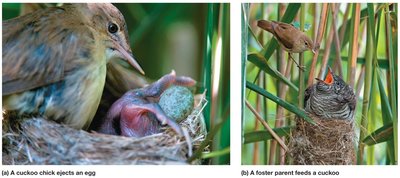
Application: Cuckoo chicks instinctively eject eggs of host species from the nest to eliminate competition for food.
Learning and Behavioral Adaptation
Learning allows animals to modify their behavior based on experience. This adaptability increases an animal's chances of survival in changing environments.
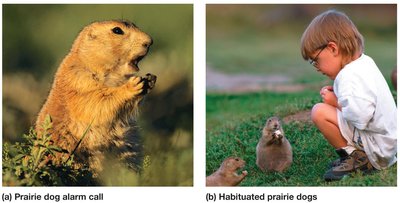
Habituation: A decrease in response to a repeated, harmless stimulus. For example, prairie dogs may stop responding to non-threatening humans after repeated exposure.
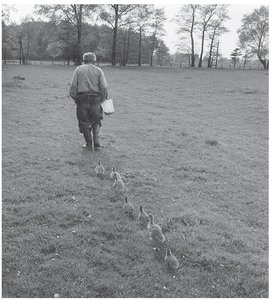
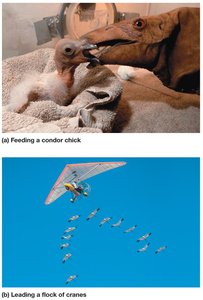
Imprinting: A rapid, irreversible learning process occurring during a critical period early in life, such as young birds following the first moving object they see (often their mother or a human caretaker).
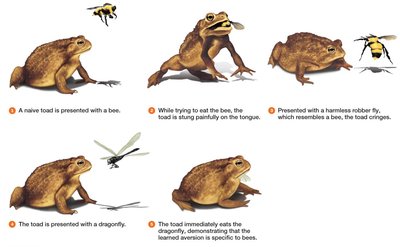
Trial-and-Error Learning: Animals learn to associate certain behaviors with positive or negative outcomes, such as a toad learning to avoid bees after being stung.
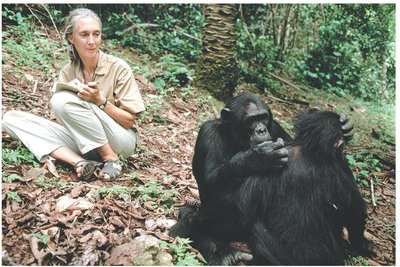
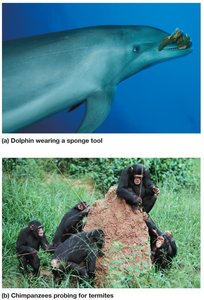
Social Learning: Animals learn behaviors by observing and imitating others, as seen in chimpanzees using tools.
Insight Learning: The ability to solve new problems through reasoning, not just trial and error, as demonstrated by some birds and primates.
Applications of Learned Behavior
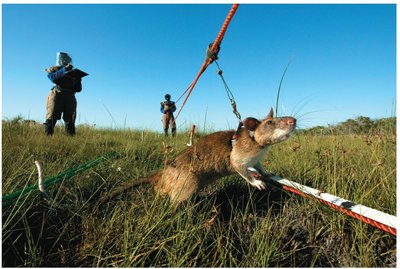
Learned behaviors can be harnessed for practical purposes, such as training animals for specific tasks. For example, Gambian giant pouched rats are trained to detect land mines using their keen sense of smell.
Tool Use and Problem Solving
Some animals exhibit advanced cognitive abilities, including tool use and problem solving. These behaviors are often learned through observation and experimentation.
Examples: Dolphins using marine sponges to protect their snouts while foraging; chimpanzees using sticks to extract termites from mounds.
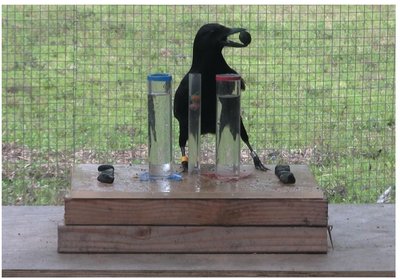
Insight Learning: Crows solving complex problems, such as using objects to retrieve food from containers.
Territoriality and Resource Defense
Many animals defend territories to secure resources such as food, mates, or nesting sites. Territorial behavior can involve displays, combat, or marking boundaries.
Definition: Territoriality is the defense of a physical space against other individuals, usually of the same species.
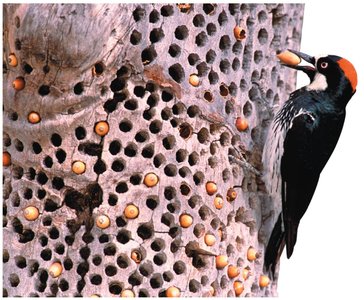
Example: Acorn woodpeckers store acorns in holes drilled into trees within their territory.
Reproductive Behavior and Mating Strategies
Reproductive behaviors ensure the successful transfer of genes to the next generation. These include courtship displays, mate selection, and various mating strategies.
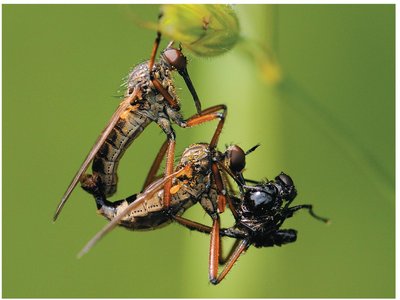
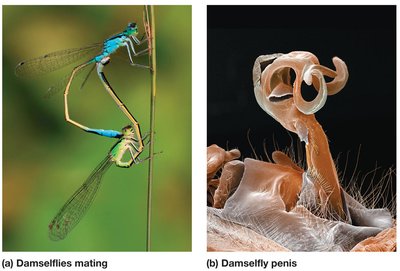
Nuptial Gifts: Some species present food or other items to potential mates as part of courtship.
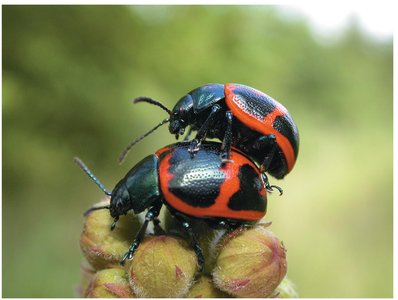
Mate Guarding: Behaviors to prevent rivals from mating with a partner.
Sperm Competition: Competition between sperm of different males to fertilize eggs.
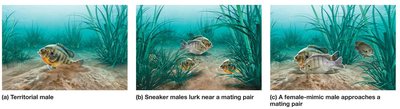
Alternative Mating Strategies: Males may use different tactics, such as sneaking or mimicking females, to gain access to mates.
Communication in Animals
Communication is the transmission of information between individuals through signals, which can be visual, auditory, chemical, tactile, or vibrational. Effective communication is essential for coordinating social behaviors, warning of danger, and attracting mates.
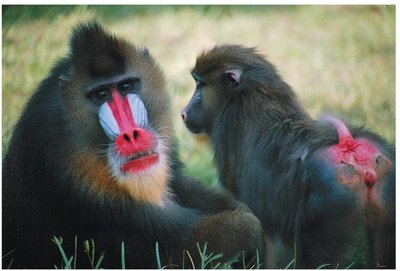
Visual Signals: Body coloration, displays, or movements used to convey information (e.g., mandrill facial coloration).
Auditory Signals: Vocalizations such as alarm calls, mating calls, or territorial songs.
Chemical Signals: Pheromones used for marking territory or attracting mates.
Tactile Signals: Physical contact, such as grooming or touching, to reinforce social bonds.
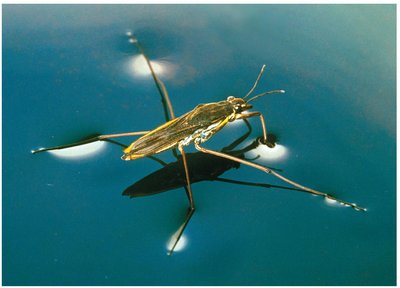
Vibrational Signals: Movements that create vibrations in the environment, used by some insects for communication.

Aggression, Displays, and Social Structure
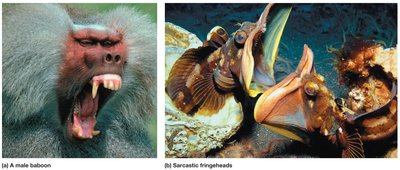
Aggressive behaviors and displays are used to establish dominance, defend resources, or deter rivals. Social structures range from loose aggregations to complex societies with division of labor.
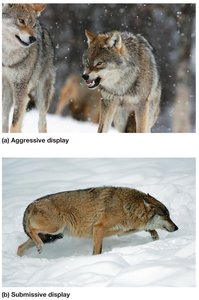
Aggressive Displays: Threatening postures or actions to avoid physical conflict.
Submissive Displays: Behaviors that reduce the likelihood of attack by a dominant individual.
Cooperation: Working together for mutual benefit, seen in both simple and complex animal societies.
Summary Table: Types of Animal Learning
Type of Learning | Definition | Example |
|---|---|---|
Habituation | Decreased response to repeated, harmless stimulus | Prairie dogs ignoring non-threatening humans |
Imprinting | Rapid, irreversible learning during a sensitive period | Goslings following the first moving object |
Trial-and-Error | Learning through association of behavior with outcome | Toad avoiding bees after being stung |
Social Learning | Learning by observing others | Chimpanzees using tools |
Insight Learning | Solving new problems through reasoning | Crow using objects to retrieve food |
Additional info: These notes integrate foundational concepts of animal behavior, including both innate and learned behaviors, communication, and social interactions, as outlined in a typical introductory biology curriculum.
