 Back
BackAnimal Development: Principles, Mechanisms, and Human Development
Study Guide - Smart Notes
 Tailored notes based on your materials, expanded with key definitions, examples, and context.
Animal Development
Principles of Animal Development
Animal development is the process by which a multicellular organism grows and increases in organization and complexity, beginning with a fertilized egg and ending with a sexually mature adult. This process is governed by three main principles:
Cell Multiplication: Individual cells undergo repeated mitotic divisions to increase cell number.
Cell Differentiation: Some daughter cells specialize in structure and function, such as nerve or muscle cells.
Cellular Organization: Groups of cells move to specific locations and organize into tissues and organs.
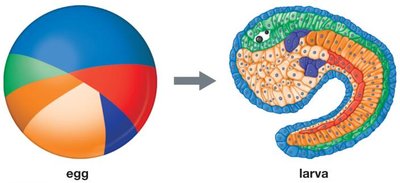
Although all cells in an animal are genetically identical, differentiation occurs because specific sets of genes are turned on or off in different cells at specific times.
Types of Animal Development
Direct vs. Indirect Development
Animals exhibit two main types of development as they progress from newborn to adult:
Direct Development: The newborn closely resembles the adult. Common in mammals, birds, reptiles, and some fish and invertebrates. Offspring are relatively large and require significant nourishment before birth or hatching. Fewer offspring are produced, and parental care is often extensive.
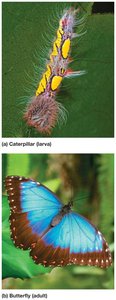
Indirect Development: The newborn (larva) is morphologically distinct from the adult. Common in most amphibians and invertebrates. Large numbers of small, yolk-poor eggs are produced. Larvae feed and grow before undergoing metamorphosis into adults, often occupying different ecological niches than adults.

Mechanisms of Animal Development
Cleavage, Blastula, and Gastrulation
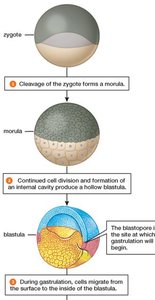
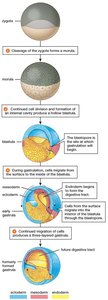
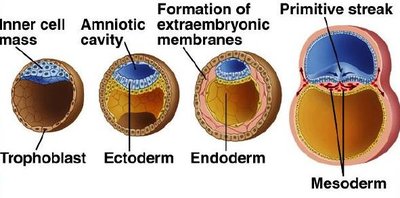
Development begins with the fertilized egg (zygote) undergoing a series of mitotic divisions called cleavage, producing a solid ball of cells called the morula. Continued division forms a hollow ball called the blastula. Gastrulation then reorganizes the blastula into a multilayered structure called the gastrula, establishing the basic body plan and three primary germ layers:
Ectoderm: Forms the skin, nervous system, and related structures.
Mesoderm: Forms muscles, skeleton, circulatory system, and other organs between the skin and digestive tract.
Endoderm: Forms the lining of the digestive tract, liver, pancreas, and respiratory tract.
Organogenesis
Organogenesis is the process by which organs form from the three germ layers. This involves:
Activation of master regulatory genes that control the expression of many other genes.
Programmed cell death (apoptosis) to sculpt tissues and remove unnecessary cells.
Extraembryonic Membranes
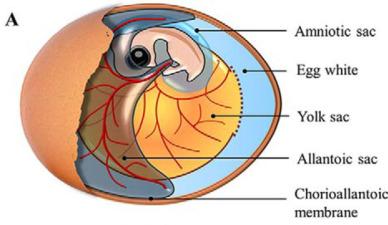
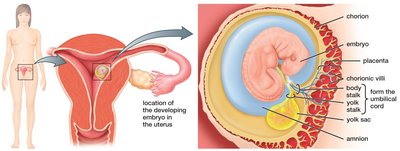
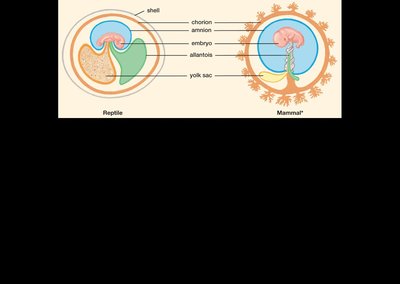
In reptiles, birds, and mammals, development involves four extraembryonic membranes that support the embryo:
Chorion: Gas exchange between embryo and environment.
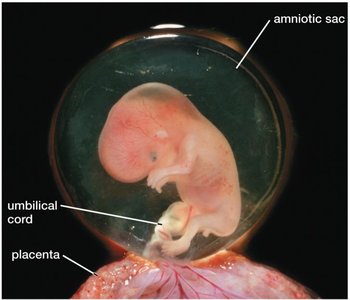
Amnion: Encloses the embryo in a fluid-filled sac.
Allantois: Stores waste products.
Yolk Sac: Provides nourishment.
Control of Animal Development
Gene Expression and Differentiation
Developmental control is achieved through selective gene expression. All cells contain the same DNA, but only certain genes are expressed in each cell type. This is regulated by:
Transcription Factors: Proteins that bind to DNA and regulate gene transcription.
Maternal Molecules: Substances in the egg cytoplasm (often transcription factors) that influence early development and cell fate.
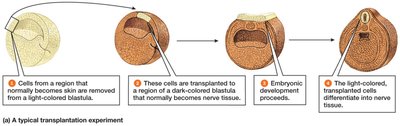
Induction: Chemical signals from neighboring cells direct differentiation and organ formation.
Homeobox Genes
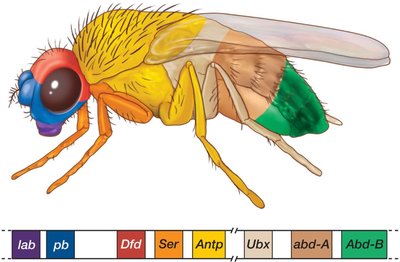
Homeobox (Hox) genes are master regulatory genes that control the development of body segments and structures. They are highly conserved across animal species and are arranged on chromosomes in the same order as the body regions they control. Mutations in these genes can result in dramatic changes, such as extra body segments or misplaced limbs.
Human Development
Fertilization and Early Development
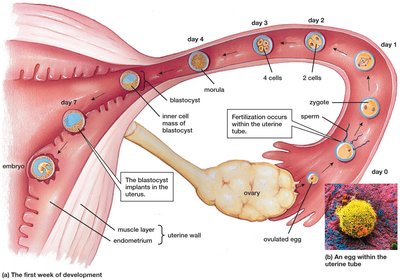
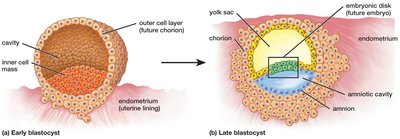
Human development begins with fertilization in the uterine tube. The zygote undergoes cleavage, forming a morula, which becomes a blastocyst by day five. The blastocyst consists of an outer cell layer (future chorion) and an inner cell mass (future embryo and extraembryonic membranes). Implantation into the uterine wall follows, and the placenta begins to form.
Gastrulation and Organogenesis in Humans
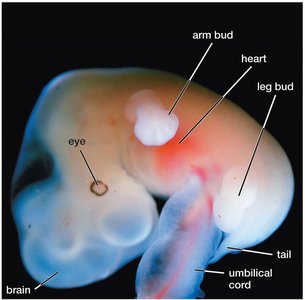
Gastrulation forms the three germ layers in the embryonic disk. Organogenesis begins in the third week, with the formation of the brain, spinal cord, and heart. The umbilical cord forms, connecting the embryo to the placenta, which facilitates nutrient and waste exchange.
Fetal Development and Birth
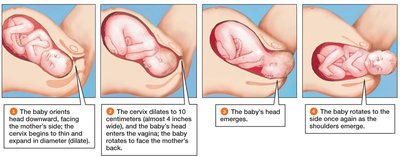
By the end of the second month, the embryo is termed a fetus, with all major organs present. Growth and differentiation continue, and the placenta becomes the main site of nutrient and gas exchange. Labor and delivery are triggered by hormonal and mechanical signals, culminating in birth.
Lactation
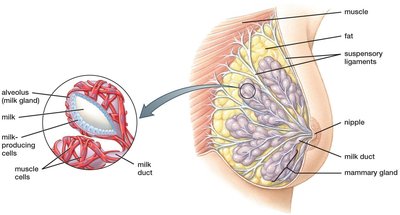
After birth, the mammary glands secrete milk, initially producing colostrum, which is rich in antibodies. Milk production and ejection are regulated by hormones such as prolactin and oxytocin.
Aging as the Final Stage of Development
Mechanisms and Variation in Aging
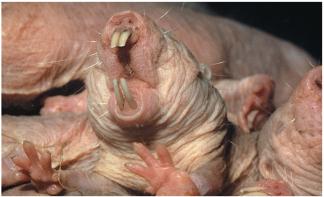
Aging is characterized by the gradual accumulation of molecular damage, particularly to DNA, leading to decreased physiological function and increased vulnerability to disease. Some animals exhibit programmed aging, while others, like the naked mole rat, show negligible senescence and exceptional longevity due to superior DNA repair and unique biochemical adaptations.
Comparative Embryology: Reptiles and Mammals
Extraembryonic Membranes
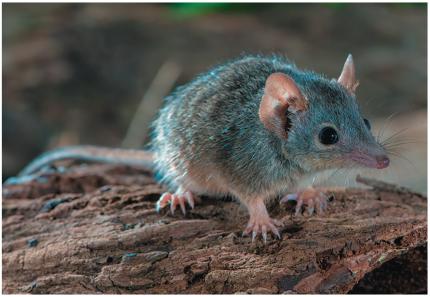
Both reptiles and mammals possess four extraembryonic membranes (chorion, amnion, allantois, yolk sac), but their structure and function differ. In mammals, the placenta is derived mainly from the chorion and allantois, while in marsupials, it is largely from the yolk sac. Monotremes lay eggs with membranes similar to reptiles.
Membrane | Function in Reptiles | Function in Mammals |
|---|---|---|
Chorion | Gas exchange | Forms placenta (with endometrium) |
Amnion | Protects embryo in fluid | Protects embryo in amniotic fluid |
Allantois | Stores waste | Forms part of umbilical cord, waste exchange |
Yolk Sac | Provides nutrients | Forms blood cells, minor nutrient role |
Additional info: Marsupials and monotremes have variations in placental structure and egg-laying, reflecting evolutionary adaptations to reproduction on land.
