 Back
3.2: Animal Diversity
Study Guide - Smart Notes
 Tailored notes based on your materials, expanded with key definitions, examples, and context.
Animal Diversity
Introduction to Animal Diversity
Animals are a monophyletic group characterized by multicellularity, heterotrophy (ingesting organic molecules for carbon), and movement at some stage of their life cycle. Over 1.2 million animal species have been described, with many more yet to be discovered. Biologists study animals to understand their diversity, ecological roles, and evolutionary relationships, as well as to gain insights into human biology.
Monophyletic group: All animals share a common ancestor.
Key traits: Multicellularity, heterotrophy, movement, lack of cell walls, presence of muscle and nerve tissue, and diploid-dominant life cycles.
Importance: Animals are essential consumers in ecosystems and provide food, transportation, and other resources for humans.
How Biologists Study Animals
Animal diversity is explored through comparative morphology and phylogenetic analyses. About 34 major animal phyla are recognized, each with unique body plans and evolutionary histories.
Comparative morphology: Examines differences in feeding and movement structures.
Phylogenetic analysis: Uses genetic data to reconstruct evolutionary relationships.
Animal Body Plans
Embryonic Tissues
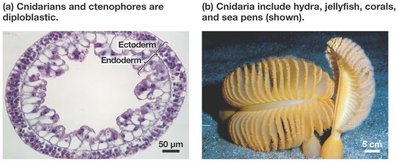
Animals are organized into tissues—integrated groups of cells with specific functions. All animals have an epithelium, but the number of embryonic tissue layers varies:
Diploblasts: Two germ layers (ectoderm and endoderm).
Triploblasts: Three germ layers (ectoderm, mesoderm, endoderm).
Body Symmetry and Cephalization
Symmetry is a key feature of animal body plans:
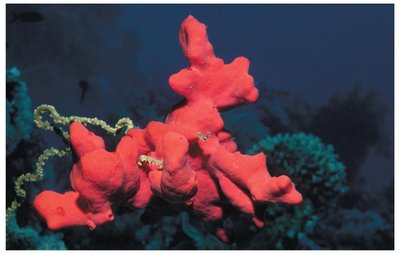
Asymmetry: No plane of symmetry (e.g., sponges).
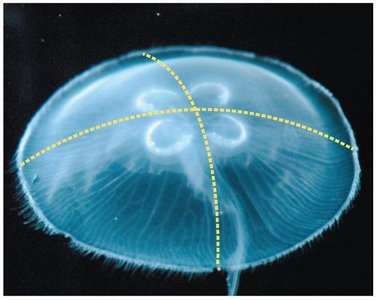
Radial symmetry: Multiple planes of symmetry (e.g., jellyfish).
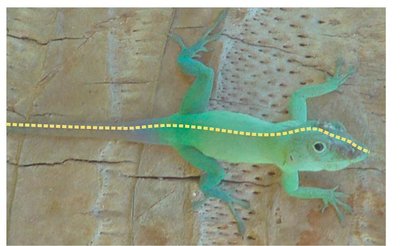
Bilateral symmetry: Single plane of symmetry, associated with cephalization (development of a head region).
Body Cavities (Coelom)
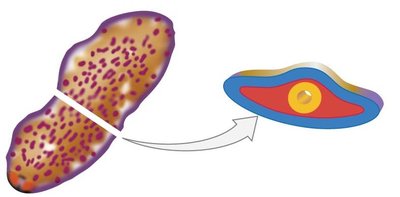
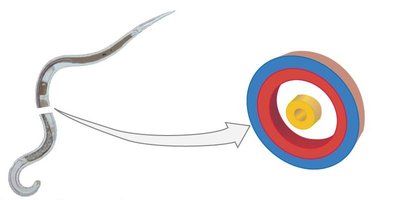
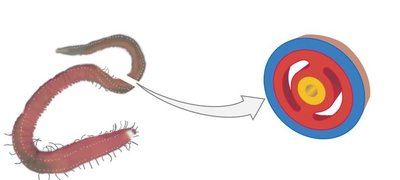
The coelom is a fluid-filled body cavity that provides space for organ development and acts as a hydrostatic skeleton. Types of body cavities include:
Acoelomates: No body cavity.
Pseudocoelomates: Body cavity partially lined with mesoderm.
Coelomates: Body cavity completely lined with mesoderm.
Hydrostatic Skeletons
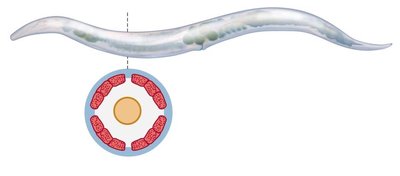
Hydrostatic skeletons use fluid-filled cavities to support movement in soft-bodied animals. Muscle contractions change the shape of the body, allowing locomotion.
Patterns of Embryonic Development
Coelomate animals (Bilateria) are divided into protostomes and deuterostomes based on embryonic development:
Protostomes: Mouth forms first; includes arthropods, mollusks, annelids.
Deuterostomes: Anus forms first; includes echinoderms, chordates.
Key developmental events include cleavage, gastrulation, and coelom formation.

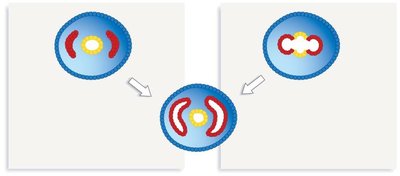
Tube-within-a-Tube Body Plan
Most animals have a tube-within-a-tube body plan, with an outer body wall and an inner digestive tract (gut).
Animal Phylogenies and Evolutionary Relationships
Traditional and Genetic Phylogenies
Phylogenetic trees based on morphology and DNA sequences reveal evolutionary relationships among animal phyla. Key findings include:
Choanoflagellates are the closest living relatives of animals.
Sponges are the most basal animal phylum.
Radial symmetry evolved before bilateral symmetry.
Segmentation evolved independently in several lineages.
Feeding in Animals
General Feeding Strategies
Animals have evolved diverse feeding strategies, closely linked to their anatomy:
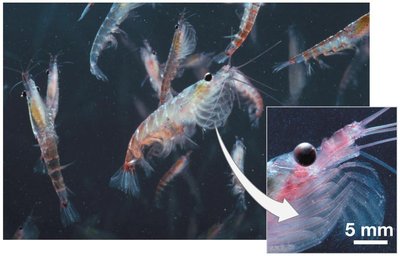
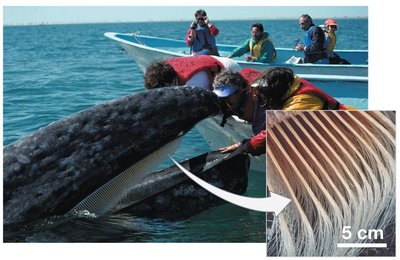
Suspension feeders: Filter small particles from water or air (e.g., krill, baleen whales, flamingoes).
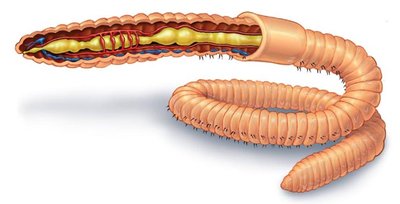
Deposit feeders: Eat organic material from substrates (e.g., earthworms, sea cucumbers).
Fluid feeders: Suck or mop up liquids (e.g., butterflies, houseflies).
Mass feeders: Ingest chunks of food (e.g., snails, horses).
Types of Food and Feeding Roles
Animals can be classified by their diet:
Herbivores: Eat plants or algae.
Carnivores: Eat other animals.
Detritivores: Eat dead organic matter.
Omnivores: Eat both plants and animals.
Predators kill prey, while parasites feed on hosts without immediately killing them. Parasites can be endoparasites (internal) or ectoparasites (external).
Animal Movement and Limbs
Types of Limbs
Animal movement is facilitated by various limb types:
Unjointed limbs: Sac-like, slow-moving, limited control (e.g., onychophorans).
Jointed limbs: Allow rapid, precise movement (e.g., arthropods, vertebrates).
Genetic studies suggest that the Dll (distal-less) gene is involved in limb formation across diverse animal groups, indicating a degree of homology.
Animal Reproduction and Life Cycles
Modes of Reproduction
Animals exhibit diverse reproductive strategies:
Asexual reproduction: Via mitosis.
Sexual reproduction: Via meiosis; fertilization can be internal or external.
Viviparous: Embryos develop inside the mother.
Oviparous: Eggs are laid outside the body.
Ovoviviparous: Eggs develop inside the mother but are nourished by yolk.
Metamorphosis
Some animals undergo metamorphosis, changing from juvenile to adult forms:
Holometabolous (complete) metamorphosis: Juvenile (larva) looks different from adult; includes a pupal stage.
Hemimetabolous (incomplete) metamorphosis: Juvenile (nymph) resembles a miniature adult.
Cnidarian Life Cycle
Certain animals, such as cnidarians, alternate between sessile polyp and free-floating medusa forms, exploiting different habitats and food sources.
Major Animal Phyla Overview
Classification Table
The following table summarizes the major animal phyla, their common names, and estimated species numbers:
Group and Phylum | Common Name or Example Taxa | Estimated Number of Species |
|---|---|---|
Porifera | Sponges | 7,000 |
Cnidaria | Jellyfish, corals, anemones, hydroids | 10,000 |
Ctenophora | Comb jellies | 100 |
Acoelomorpha | Acoelomate worms | 100 |
Rotifera | Rotifers | 1,800 |
Platyhelminthes | Flatworms | 20,000 |
Annelida | Segmented worms | 16,500 |
Mollusca | Snails, clams, squid, octopuses | 94,000 |
Nematoda | Roundworms | 25,000 |
Arthropoda | Insects, spiders, crustaceans | 1,100,000 |
Echinodermata | Sea stars, sea urchins | 7,000 |
Chordata | Vertebrates, tunicates, lancelets | 65,000 |
Additional info: Table entries are representative and not exhaustive; numbers are approximate and subject to change as new species are discovered.
