 Back
BackAnimal Diversity: Invertebrates, Vertebrates, and Animal Structure
Study Guide - Smart Notes
 Tailored notes based on your materials, expanded with key definitions, examples, and context.
Animal Diversity: Invertebrates and Vertebrates
Introduction to Animal Diversity
Animals represent a vast and diverse group of organisms, with over two-thirds of the 1.5 million described species classified as animals. The study and classification of animals is complex due to convergent evolution, which can result in unrelated organisms developing similar features.
Animal Classification: Biologists often face challenges in classifying animals due to evolutionary convergence.
Defining Animals: Animals are eukaryotic, multicellular, and heterotrophic organisms that ingest their food. They lack cell walls and typically reproduce sexually.
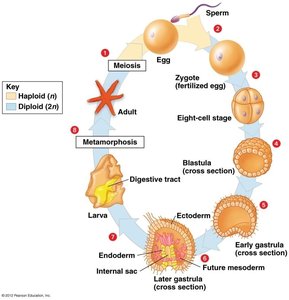
Developmental Stages: Animal development may include the blastula, gastrula, and larval stages.
Animal Development and Embryonic Layers
Animal development involves a series of embryonic stages, each characterized by specific cellular arrangements and tissue formation.
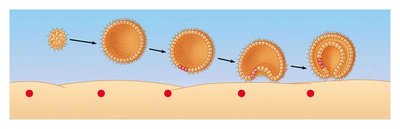
Blastula: A hollow ball of cells formed early in embryonic development.
Gastrula: A stage where the embryo forms a hollow ball with an opening, leading to the development of three primary germ layers: endoderm, mesoderm, and ectoderm.
Germ Layers:
Endoderm: Forms digestive and respiratory organs.
Mesoderm: Forms muscles, bones, and reproductive structures.
Ectoderm: Forms skin, brain, and nervous system.
Evolutionary Origins and Body Plans
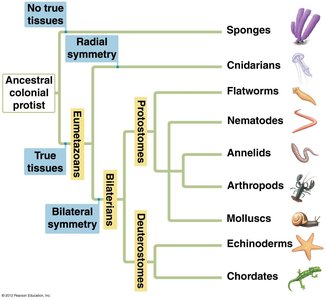
The ancestor of animals was likely a colonial, flagellated protist. Over time, cells became specialized and organized into layers, leading to the diversity of animal body plans observed today.
Symmetry: Animals may exhibit radial symmetry (body parts arranged around a central axis) or bilateral symmetry (distinct left and right sides).
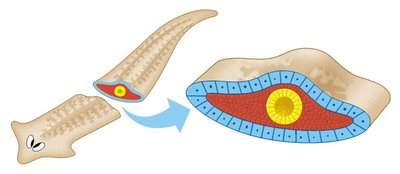
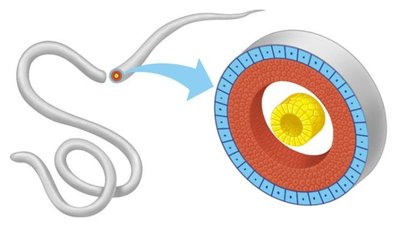
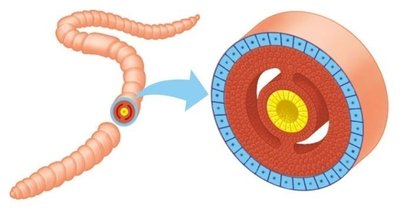
Body Cavities: Animals with three tissue layers may have a body cavity:
Pseudocoelom: Not completely lined by mesoderm-derived tissue.
Coelom: Completely lined by mesoderm-derived tissue.
Embryonic Development: Animals are classified as protostomes (mouth develops first) or deuterostomes (anus develops first) based on gastrulation.
Animal Phylogeny
Animal body plans and embryonic development are used to construct phylogenetic trees, which illustrate evolutionary relationships among major animal groups.
Clade Bilaterians: Most animal phyla belong to this group, further divided into protostomes and deuterostomes.
Invertebrates
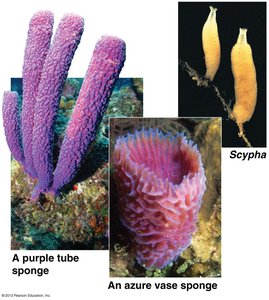
Phylum Porifera (Sponges)
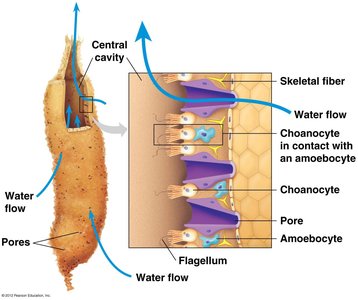
Sponges are the simplest animals, lacking true tissues and organs. They are mostly marine and are characterized by a porous body structure.
Feeding: Sponges are suspension feeders, filtering food particles from water using flagellated choanocytes.
Support: Amoebocytes produce skeletal fibers made of minerals or spongin protein.
Phylum Cnidaria
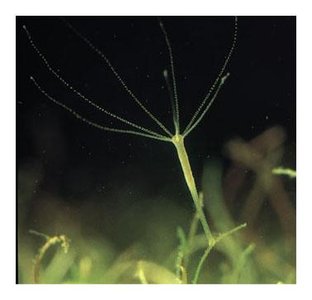
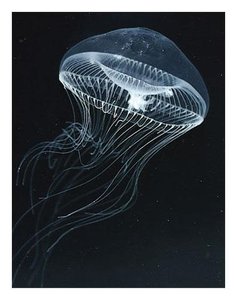
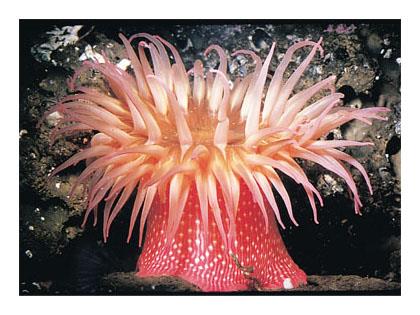
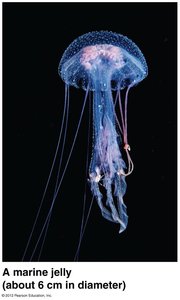
Cnidarians are radially symmetrical animals with true tissues and specialized stinging cells called cnidocytes. They include hydras, jellies, sea anemones, and corals.
Body Forms: Two main forms: polyp (sedentary) and medusa (mobile).
Feeding: Carnivorous, using tentacles with cnidocytes to capture prey.
Gastrovascular Cavity: Single opening serves as both mouth and anus.
Phylum Platyhelminthes (Flatworms)
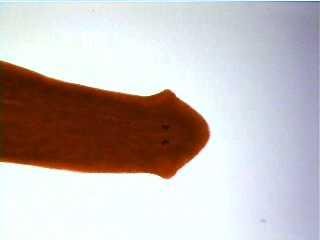
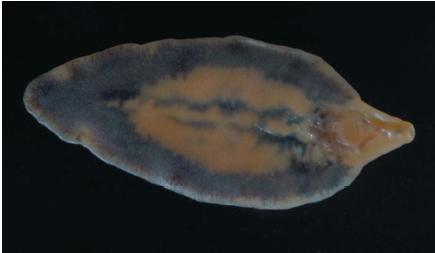
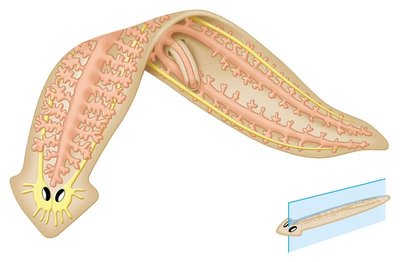
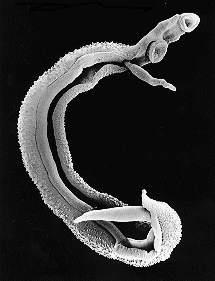
Flatworms are the simplest bilateral animals, lacking a body cavity. They include free-living planarians and parasitic flukes and tapeworms.
Planarians: Have a gastrovascular cavity and a simple nervous system.
Flukes and Tapeworms: Parasitic with complex life cycles; tapeworms can infect humans.
Phylum Nematoda (Roundworms)
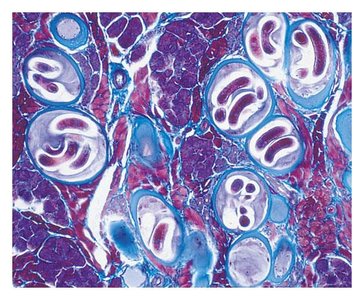
Nematodes are pseudocoelomate animals with a complete digestive tract. They are covered by a protective cuticle and are among the most numerous animals on Earth.
Ecological Roles: Many are free-living, while others are important parasites of plants and animals.
Examples: Heartworms, hookworms, and Trichinella (causes trichinosis).

Phylum Mollusca
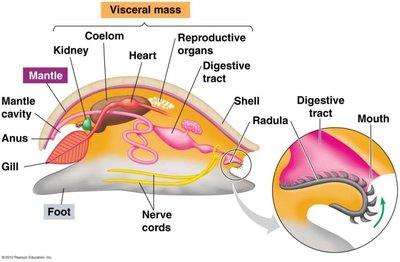
Mollusks are diverse animals with a common body plan that includes a muscular foot, a mantle, and a visceral mass. Many have a shell and a radula for feeding.
Classes:
Gastropoda: Snails and slugs, found in various environments.
Bivalvia: Clams, oysters, mussels, and scallops; have two-part shells and are suspension feeders.
Cephalopoda: Nautiluses, squids, and octopuses; agile predators with large brains.
Phylum Annelida (Segmented Worms)
Annelids are segmented worms with a true coelom. Segmentation allows for greater mobility and specialization of body regions.
Earthworms: Hermaphroditic, with repeated internal structures in each segment and a closed circulatory system.
Polychaetes: Marine worms with paddle-like appendages.
Leeches: Mostly free-living carnivores; some are bloodsuckers.
Phylum Arthropoda
Arthropods are the most diverse animal phylum, characterized by segmentation, jointed appendages, and an exoskeleton. They have an open circulatory system and undergo molting to grow.
Major Groups:
Chelicerates: Horseshoe crabs, spiders, scorpions, mites, ticks.
Myriapods: Millipedes and centipedes.
Crustaceans: Lobsters, crabs, shrimps, barnacles, Daphnia.
Insects: Most diverse group, with three-part body (head, thorax, abdomen), three pairs of legs, and usually wings.
Phylum Echinodermata
Echinoderms are marine animals with spiny skin, an endoskeleton, and a water vascular system for movement. Adults are radially symmetrical, while larvae are bilaterally symmetrical.
Examples: Sea stars, sea urchins, brittle stars, sea cucumbers, sand dollars.
Regeneration: Many echinoderms can regenerate lost body parts.
Phylum Chordata and Vertebrates
Chordate Characteristics
Chordates are defined by four key features at some stage in their life cycle:
Dorsal hollow nerve cord
Notochord (flexible, supportive rod)
Pharyngeal slits
Muscular post-anal tail
The simplest chordates are tunicates and lancelets, which are marine invertebrates.
Vertebrate Evolution
Vertebrates are chordates with a backbone. Major evolutionary innovations include the development of jaws, limbs, and the amniotic egg.
Jawless Vertebrates: Hagfish and lampreys lack jaws and paired fins.
Jawed Vertebrates: Include sharks (cartilaginous skeleton), ray-finned fishes (bony skeleton), and lobe-finned fishes (muscular fins).
Tetrapods: Amphibians were the first vertebrates with limbs for movement on land.
Amniotes: Reptiles and mammals have adaptations for terrestrial life, including the amniotic egg.
Birds: Feathered reptiles with adaptations for flight.
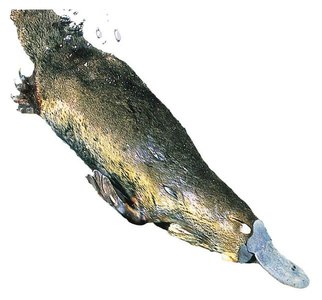
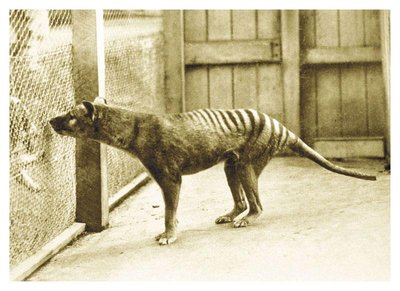
Mammals: Endothermic amniotes with hair and mammary glands. Includes monotremes (egg-laying), marsupials (pouched), and eutherians (placental).
Animal Structure and Function
Levels of Organization
Animal bodies are organized into a hierarchy of levels:
Cells form tissues
Tissues form organs
Organs form organ systems
Anatomy is the study of structure, while physiology is the study of function.
Animal Tissues
There are four main types of animal tissues:
Epithelial tissue: Covers body surfaces and lines organs/cavities. Classified by cell shape and layers.
Connective tissue: Binds and supports other tissues. Types include loose, fibrous, adipose, cartilage, bone, and blood.
Muscle tissue: Responsible for movement. Types: skeletal (voluntary), cardiac (heart), smooth (internal organs).
Nervous tissue: Senses stimuli and transmits signals. Neurons conduct impulses; glial cells support neurons.
Organs and Organ Systems
Organs are composed of multiple tissue types and perform specific functions. Organ systems are groups of organs that work together to carry out vital body functions.
Examples of Organ Systems:
Circulatory
Respiratory
Integumentary
Skeletal
Muscular
Urinary
Digestive
Endocrine
Lymphatic
Immune
Nervous
Reproductive
Bioengineering advances are enabling the growth of new tissues and organs for transplantation, using scaffolds or 3D printing technologies.
Summary Table: Major Animal Phyla and Key Features
Phylum | Symmetry | Body Cavity | Key Features |
|---|---|---|---|
Porifera | None | None | No true tissues, filter feeders |
Cnidaria | Radial | None | Stinging cells, gastrovascular cavity |
Platyhelminthes | Bilateral | None | Flatworms, simple nervous system |
Nematoda | Bilateral | Pseudocoelom | Roundworms, complete digestive tract |
Mollusca | Bilateral | Coelom | Muscular foot, mantle, radula |
Annelida | Bilateral | Coelom | Segmented worms |
Arthropoda | Bilateral | Coelom | Exoskeleton, jointed appendages |
Echinodermata | Radial (adult) | Coelom | Spiny skin, water vascular system |
Chordata | Bilateral | Coelom | Notochord, dorsal nerve cord |
