 Back
Animal Diversity: Structure, Development, and Evolution
Study Guide - Smart Notes
 Tailored notes based on your materials, expanded with key definitions, examples, and context.
Animal Diversity
Phylum Metazoa (Animalia)
Animals are a diverse group of eukaryotic, multicellular organisms characterized by specialized tissues, motility, and heterotrophic nutrition. They lack cell walls and rely on extracellular proteins for structural support.
Eukaryotic and Multicellular: Animal cells contain nuclei and form complex multicellular bodies.
Tissues: Groups of specialized cells with similar structure and function. Muscle and nerve tissues are unique to animals.
Motility: All animals are motile at some stage, requiring muscle and nerve tissue.
Heterotrophic: Animals ingest food and are consumers, often predatory on plants and other animals.
No Cell Walls: Animal cells are supported by extracellular proteins like collagen.
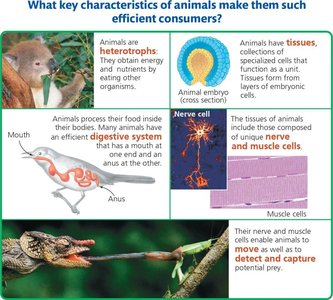
Example: Animals such as mammals, birds, and reptiles demonstrate these characteristics.
Animal Diversity and Reproduction
There are over 1.3 million known animal species, with many more undiscovered. Animals typically reproduce sexually, with oogamous reproduction producing large, nonmotile eggs and small, motile sperm.
Sexual Reproduction: Most animals reproduce sexually, involving meiosis and fertilization.
Direct Development: Embryonic forms mature directly into adult bodies; young are miniature adults.
Indirect Development: Many animals, especially insects, undergo metamorphosis, with distinct larval, pupal, and adult stages.
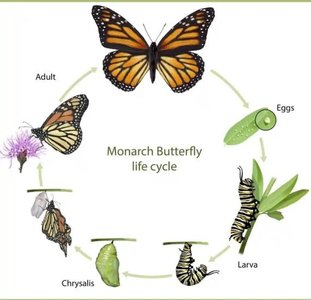
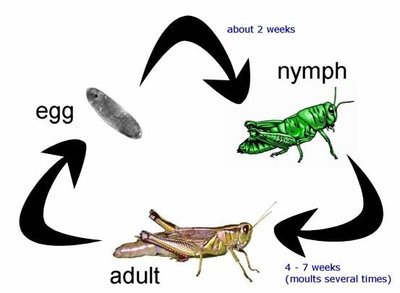
Example: Butterflies undergo complete metamorphosis, while grasshoppers have nymph stages without metamorphosis.
Sexual Dimorphism
Sexual dimorphism refers to morphological differences between males and females in a species. This can serve as a behavioral isolating mechanism and is prominent in many animal groups.
Insects, Fish, Birds: Males and females often differ in coloration, size, or ornamentation.
Mammals: Males are usually larger; exceptions include manes in lions and antlers in deer.
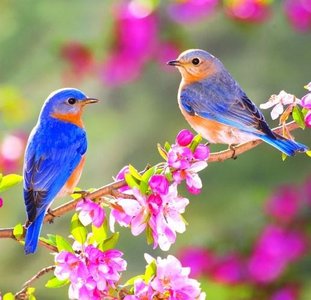
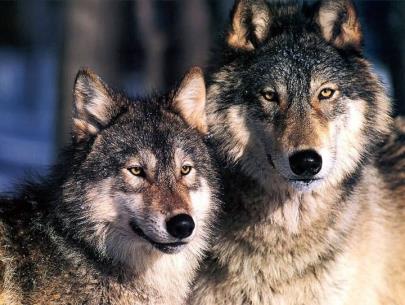
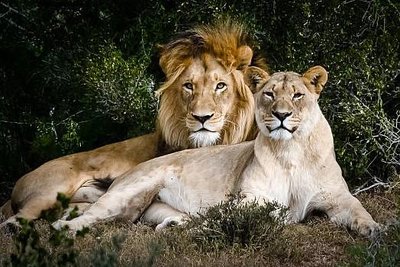
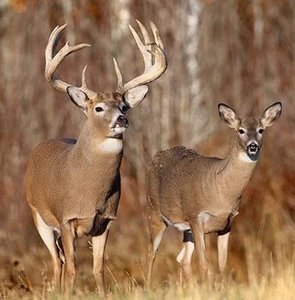
Example: Peacocks display elaborate feathers to attract females; male deer have antlers.
Evolutionary History of Animals
Origins and Fossil Evidence
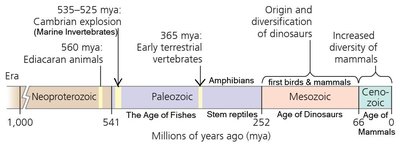
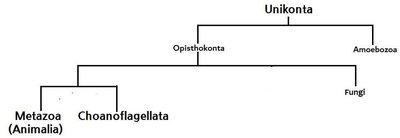
Fossil and molecular evidence places the common ancestor of animals around 770 million years ago. Choanoflagellates are the closest living relatives to animals.
Choanoflagellates: Microscopic, unicellular or colonial organisms with a collar around a flagellum; sister group to Metazoa.
Fossil Evidence: Sponges date back 700 million years; Ediacaran animals (Neoproterozoic) are extinct, while Cambrian fossils show early bilaterians.
Major Eras: Paleozoic (Age of Fishes, terrestrial vertebrates), Mesozoic (Age of Dinosaurs, mammals, birds), Cenozoic (Age of Mammals).
Example: The Cambrian explosion led to the rapid diversification of animal body plans.
Animal Classification and Development
Metazoa and Major Clades
Metazoa includes all animals. Porifera (sponges) are basal, lacking true tissues. Eumetazoans have organized tissues, and Bilateria are bilaterally symmetrical animals.
Porifera: Simple animals without tissue organization.
Eumetazoans: Animals with tissues derived from germ layers.
Bilateria: Most animals, characterized by bilateral symmetry.
Subclades: Lophotrochozoa, Ecdysozoa (protostomes), and Deuterostomia.
Example: Molluscs, annelids, arthropods, chordates, and echinoderms are major bilaterian groups.
Reproduction and Embryonic Development
Animal development begins with fertilization, followed by cleavage, blastula formation, and gastrulation. Germ layers form the basis for adult tissues.
Cleavage: Early mitotic divisions produce a ball of undifferentiated cells.
Blastula: Hollow ball of cells; undifferentiated.
Gastrula: Formation of ectoderm (outer), endoderm (inner), and in Bilateria, mesoderm (middle).
Diploblastic: Two germ layers (ectoderm, endoderm).
Triploblastic: Three germ layers (ectoderm, mesoderm, endoderm).
Example: Cnidarians are diploblastic; most animals are triploblastic.
Developmental Genetics
Developmental regulatory genes, especially HOX genes, control the expression of other genes during embryogenesis and organogenesis. The homeobox sequence is highly conserved.
HOX Genes: Regulate body plan and cell identity along the head-tail axis.
Mutations: Can cause developmental defects and changes in body part identity.
Conservation: Homeobox sequences have changed little over 600 million years.
Example: HOX gene mutations can result in misplaced limbs or loss of structures.
Evolutionary Trends in Animals
Levels of Organization
Animals evolved from cellular to tissue, organ, and organ system levels of organization. Germ layers are fundamental to tissue development.
Cellular Level: No germ layers or tissues.
Tissue Level: Diploblastic animals have two germ layers.
Organ/Organ System Level: Triploblastic animals have three germ layers.
Example: Sponges are cellular; cnidarians are diploblastic; most animals are triploblastic.
Body Symmetry
Animals exhibit asymmetry, radial symmetry, or bilateral symmetry. Symmetry is not directly linked to evolutionary advancement.
Asymmetry: No symmetry (e.g., sponges).
Radial Symmetry: Multiple planes produce equal halves (e.g., jellyfish).
Bilateral Symmetry: Only one plane produces equal halves; defines dorsal, ventral, anterior, and posterior regions.
Example: Bilateral symmetry is common in most animal phyla.
Digestive System Evolution
Digestive systems evolved from intracellular digestion to incomplete and then complete digestive tracts.
No Digestive System: Food digested inside cells.
Incomplete Digestive System: One opening serves as both mouth and anus.
Complete Digestive System: Separate mouth and anus.
Example: Flatworms have incomplete systems; mammals have complete systems.
Cephalization
Cephalization is the development of a head region with sense organs and a centralized nervous system, first appearing in triploblastic organisms.
Head Region: Contains sense organs and brain.
Centralized Nervous System: Allows for complex behaviors and responses.
Example: Vertebrates exhibit advanced cephalization.
Body Cavity Types
Body cavities (coeloms) are spaces within the mesoderm that house organs. Animals are classified based on the presence and type of body cavity.
Acoelomate: No body cavity; solid mesoderm.
Coelomate (Eucoelomate): Body cavity surrounded by mesoderm.
Pseudocoelomate: Body cavity bounded by mesoderm on one side.
Example: Flatworms are acoelomate; annelids are coelomate; roundworms are pseudocoelomate.
Level of Organization | Germ Layers | Body Symmetry | Digestive System | Body Cavity |
|---|---|---|---|---|
Cellular | None | Asymmetry | None | None |
Tissue | 2 (Diploblastic) | Radial | Incomplete | None |
Organ/Organ System | 3 (Triploblastic) | Bilateral | Complete | Acoelomate, Coelomate, Pseudocoelomate |
Additional info: Table summarizes evolutionary trends in animal structure and development.
