 Back
BackAnimal Nutrition and Digestive Systems: Study Guide
Study Guide - Smart Notes
 Tailored notes based on your materials, expanded with key definitions, examples, and context.
Animal Nutrition
The Need to Feed
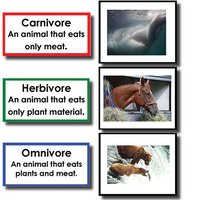
Animals require food to obtain energy, organic molecules, and essential nutrients. Their diets are adapted to their ecological niches and can be classified based on the type of food consumed:
Herbivores: Eat mainly autotrophs such as plants and algae.
Carnivores: Eat other animals.
Omnivores: Regularly consume both animals and plants or algal matter.
Animals need chemical energy (converted into ATP), organic carbon, and organic nitrogen to construct organic molecules. Essential nutrients are required by cells and must be obtained from dietary sources.
Essential Nutrients
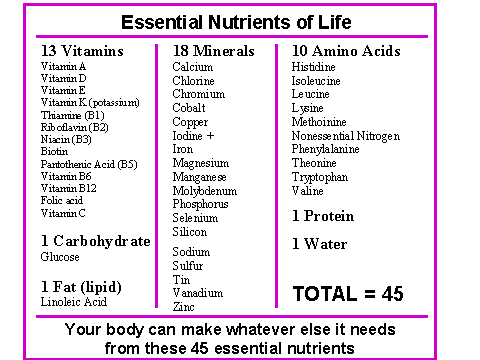
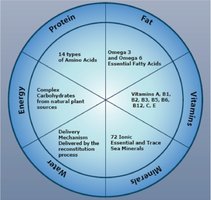
There are four main classes of essential nutrients that animals must obtain from their diet:
Essential amino acids
Essential fatty acids
Vitamins
Minerals
Essential Amino Acids
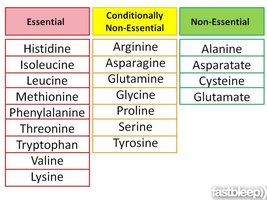
Animals require 20 amino acids, but can synthesize about half. The remaining must be obtained from food in preassembled form and are called essential amino acids. In humans, there are 9 (sometimes 10) essential amino acids:
Histidine
Methionine
Threonine
Valine
Isoleucine
Lysine
Phenylalanine
Tryptophan
Leucine
Lack of essential amino acids leads to protein deficiency and malnutrition.
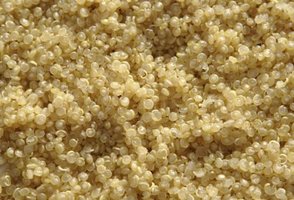
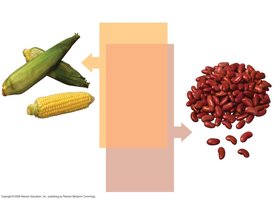
Meat, eggs, and cheese provide all essential amino acids ("complete" proteins). Most plant proteins are incomplete, except for sources like quinoa, hempseed, buckwheat, soy, and spirulina.
Essential Fatty Acids
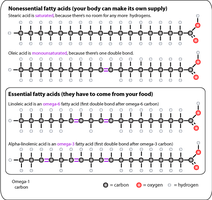
Animals can synthesize most fatty acids, but some unsaturated fatty acids (such as omega-3 and omega-6) must be obtained from the diet. Deficiencies in essential fatty acids are rare.
Vitamins
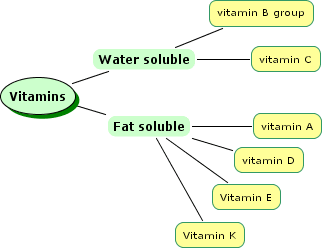
Vitamins are organic molecules required in small amounts. Humans need 13-14 essential vitamins, which are grouped into two categories:
Fat-soluble: Vitamins A, D, E, K
Water-soluble: Vitamin C, B group
Minerals
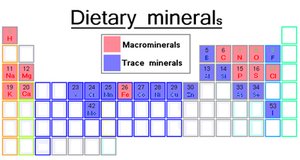
Minerals are simple inorganic nutrients required in small amounts. Examples include calcium, iron, magnesium, potassium, sodium, zinc, and others.
Dietary Deficiencies
Dietary deficiencies can lead to serious health problems:
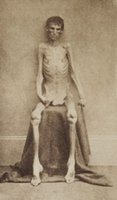
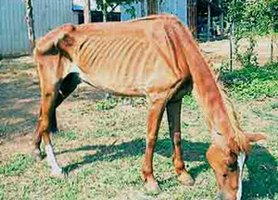
Undernourishment: Diet with less chemical energy than required; leads to use of stored fat/carbohydrates, breakdown of proteins, muscle loss, and potentially death.
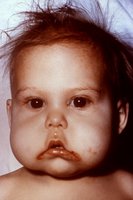
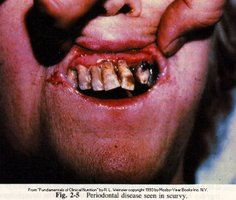
Malnourishment: Long-term absence of one or more essential nutrients; causes deformities, disease, and death, but can be corrected by dietary changes.
Food Processing and Digestive Mechanisms
Stages of Food Processing
Food processing in animals involves four main stages:
Ingestion: Act of eating
Digestion: Breakdown of food into absorbable molecules
Absorption: Uptake of nutrients by body cells
Elimination: Removal of undigested material
Feeding Mechanisms
Animals use four main feeding mechanisms:
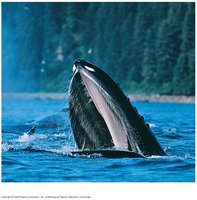
Suspension Feeders: Sift small food particles from water (e.g., whales)
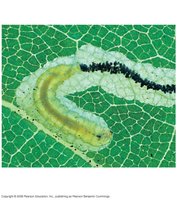
Substrate Feeders: Live in or on their food source (e.g., caterpillars)
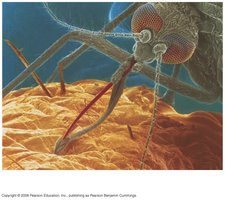
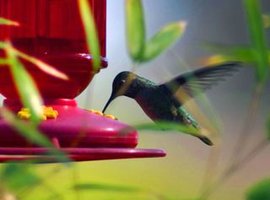
Fluid Feeders: Suck nutrient-rich fluid from a host (e.g., mosquitoes, hummingbirds)
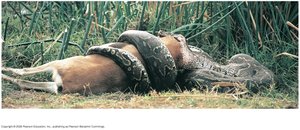
Bulk Feeders: Eat large pieces of food (e.g., pythons)
Digestive Compartments
Most animals process food in specialized compartments to reduce the risk of digesting their own cells and tissues. These include the mouth, stomach(s), intestine(s), and gastrovascular cavity.
Intracellular and Extracellular Digestion
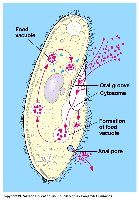
Intracellular digestion: Food particles are engulfed by endocytosis and digested within food vacuoles.
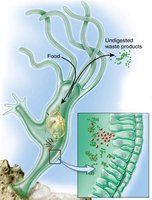
Extracellular digestion: Breakdown of food occurs outside cells, in compartments continuous with the outside of the body.
Gastrovascular Cavity vs. Alimentary Canal
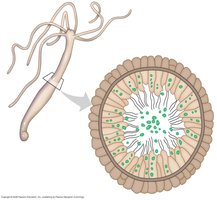
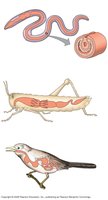
Animals with simple body plans have a gastrovascular cavity that functions in both digestion and distribution of nutrients, with one opening. More complex animals have a complete digestive tract (alimentary canal) with two openings (mouth and anus), often with specialized regions for digestion and absorption.
Mammalian Digestive System
Structure and Function
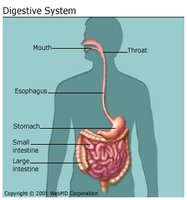
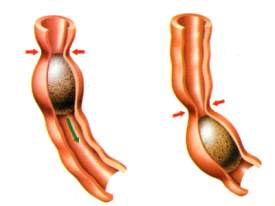
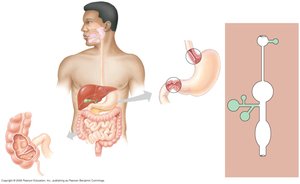
The mammalian digestive system consists of the alimentary canal and accessory glands (salivary glands, pancreas, liver, gallbladder) that secrete digestive juices through ducts. Food is pushed along by peristalsis (rhythmic muscle contractions), and sphincters regulate movement between compartments.
The Oral Cavity, Pharynx, and Esophagus
Digestion begins in the oral cavity with mechanical and chemical processes. Salivary glands deliver saliva containing salivary amylase to lubricate and digest carbohydrates. The bolus (lump of food) is shaped by the tongue and moves to the pharynx, which opens to both the esophagus and trachea. Swallowing causes the epiglottis to block the trachea, guiding food to the esophagus.
Digestion in the Stomach
The stomach stores food and secretes gastric juice (hydrochloric acid and pepsin) to convert food into acid chyme. Parietal cells secrete hydrogen and chloride ions, while chief cells secrete pepsinogen, which is activated to pepsin in the presence of acid. Mucus protects the stomach lining from gastric juice.
Gastric Ulcers
Gastric ulcers are lesions in the stomach lining, often caused by the bacterium Helicobacter pylori.
Stomach Dynamics
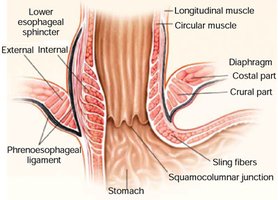
Coordinated contraction and relaxation of stomach muscles churn contents. Sphincters prevent chyme from entering the esophagus and regulate entry into the small intestine.
Digestion in the Small Intestine
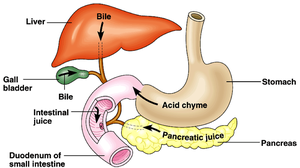
The small intestine is the major organ of digestion and absorption. The duodenum (first portion) mixes acid chyme from the stomach with digestive enzymes from the pancreas, liver, gallbladder, and the intestine itself.
Hormonal Control of Digestion
Hormones such as gastrin, secretin, and cholecystokinin (CCK) regulate digestive processes by stimulating or inhibiting secretions and peristalsis.
Pancreatic Secretions
The pancreas produces proteases (trypsin and chymotrypsin) and an alkaline solution to neutralize acidic chyme.
Bile Production by the Liver
Bile, produced by the liver and stored in the gallbladder, aids in digestion and absorption of fats by emulsification.
Secretions of the Small Intestine
The brush border of the duodenum produces digestive enzymes (aminopeptidases, maltase, sucrase, lactase). Most digestion occurs in the duodenum, while the jejunum and ileum mainly absorb nutrients and water.
Absorption in the Small Intestine
The small intestine has a huge surface area due to villi and microvilli, greatly increasing the rate of nutrient absorption.
Fat Absorption
Glycerol and fatty acids are absorbed by epithelial cells, recombined into fats, and packaged as chylomicrons, which are transported into lacteals (small lymphatic vessels in villi).
Amino Acid and Sugar Absorption
Amino acids and sugars pass through the epithelium and enter the bloodstream. Capillaries and veins from villi converge in the hepatic portal vein, delivering blood to the liver and then to the heart.
Absorption in the Large Intestine
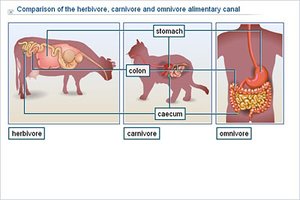
The colon (majority of the large intestine) is connected to the small intestine. The cecum aids in fermentation of plant material, and the appendix is a minor immune organ. The colon recovers water, and feces become more solid as they move through the colon, passing through the rectum and exiting via the anus.
Colon and Rectum
The colon houses strains of Escherichia coli and other bacteria, some of which produce vitamins (e.g., vitamin K). The rectum stores feces, and two sphincters control bowel movements.
Evolutionary Adaptations of Digestive Systems
Adaptations Related to Diet
Digestive systems of vertebrates show variations related to diet, including size and type of teeth, length of intestines, and number of stomachs.
Dental Adaptations
Dentition (assortment of teeth) varies among mammals and is adapted to their usual diet. Some snakes have modified fangs for injecting venom and can unhinge their jaws to swallow prey whole.
Stomach and Intestinal Adaptations
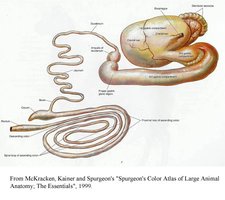
Herbivores generally have longer alimentary canals than carnivores, reflecting the longer time needed to digest vegetation.
Mutualistic Adaptations
Many herbivores have fermentation chambers where symbiotic microorganisms digest cellulose. Ruminants (e.g., deer, sheep, cattle) have the most elaborate adaptations for an herbivorous diet.
Regulation of Appetite and Body Weight
Hormonal Regulation
Homeostatic mechanisms and feedback circuits control the body's storage and metabolism of fat. Hormones such as leptin, PYY, insulin, and ghrelin regulate appetite by affecting the satiety center in the brain.
Obesity and Evolution
Obesity is influenced by evolutionary adaptations for fat storage. For example, petrel chicks become obese to consume enough protein from high-fat food, requiring more calories than they burn.
Summary and Review
Name the three nutritional needs that must be met by an animal’s diet.
Describe the four classes of essential nutrients.
Distinguish among undernourishment, overnourishment, and malnourishment.
Describe the four main stages of food processing.
Distinguish between a complete digestive tract and a gastrovascular cavity.
Follow a meal through the mammalian digestive system: list important enzymes and describe their roles.
Compare where and how the major types of macromolecules are digested and absorbed.
Relate variations in dentition with different diets.
Explain where and in what form energy-rich molecules may be stored in the human body.
