Back
BackTopic 4 - Animal Needs
Study Guide - Smart Notes
 Tailored notes based on your materials, expanded with key definitions, examples, and context.
Animal Nutrition and Energy Needs
Cellular Requirements and ATP Production
All animal cells require ATP to perform cellular work. ATP is generated primarily through aerobic respiration, though some cells can use lactic acid fermentation under anaerobic conditions. To sustain metabolism, cells need a continuous supply of reactants and efficient removal of wastes.
Reactants required: Oxygen (O2), sugars (glucose), water (H2O)
Wastes produced: Carbon dioxide (CO2), nitrogenous waste (N-waste)
Transport mechanisms: Systems to connect collection sites (e.g., gut, respiratory surfaces) to usage and removal sites (e.g., tissues, kidneys, skin)
Exchange with the Environment
Surface Area, Volume, and Transport
Efficient exchange of materials depends on the balance between surface area (for exchange) and volume (metabolic demand). Larger animals require specialized transport systems to overcome limitations of diffusion.
Collection sites: Gut (nutrients), respiratory surfaces (O2)
Usage sites: Tissues (consume nutrients and O2)
Removal sites: Skin, kidneys, respiratory surfaces (eliminate CO2, N-waste, water)
Transport Mechanisms in Animals
Connecting Collection and Usage Sites
Transport systems move essential substances from collection sites to tissues and remove wastes. The gut and respiratory surfaces collect nutrients and oxygen, while renal organs and respiratory surfaces remove nitrogenous wastes and CO2.
Circulatory Systems
Closed Circulatory Systems
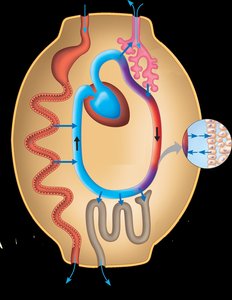
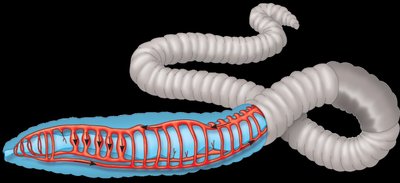
In closed circulatory systems, blood is confined within vessels, allowing efficient transport between collection and usage sites. Vertebrates exhibit increasing complexity in their circulatory systems.
Heart: Pumps blood through vessels
Arteries: Carry blood away from the heart
Capillaries: Sites of exchange with tissues
Veins: Return blood to the heart
Extracellular fluid: Bathes tissues outside vessels
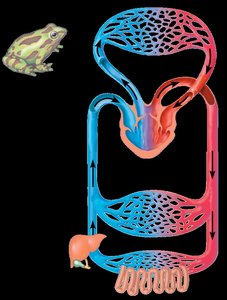
Vertebrate Circulatory System Evolution
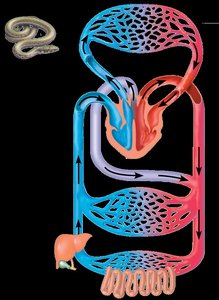
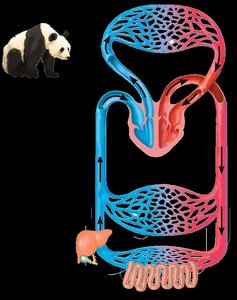
Fish: 2-chambered heart (1 atrium, 1 ventricle), single circuit
Amphibians: 3-chambered heart (2 atria, 1 ventricle), double circulation (pulmocutaneous and systemic circuits)
Reptiles: 3-chambered heart with partial septum, double circulation (pulmonary and systemic circuits)
Birds & Mammals: 4-chambered heart (complete septum), double circulation (pulmonary and systemic circuits)
Open Circulatory Systems
In open circulatory systems, the same fluid (hemolymph) bathes tissues and is pumped by the heart into open spaces. Exchange occurs directly between hemolymph and cells.
Animals Without Specialized Circulatory Systems
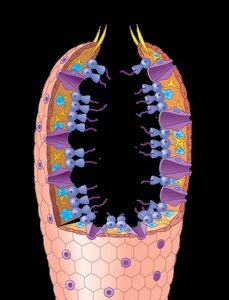
Some small or porous animals rely solely on diffusion for transport. Gastrovascular cavities in cnidarians and platyhelminths circulate nutrients and also serve as respiratory surfaces.
Animal Nutrition
Essential Nutrients
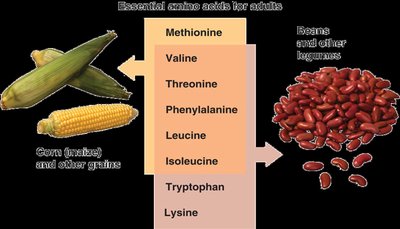
Animals are ingestive heterotrophs, requiring organic carbon for ATP and macromolecule synthesis. Essential nutrients include certain amino acids, fatty acids, vitamins, and minerals. Deficiencies can lead to malnutrition.
Food Processing
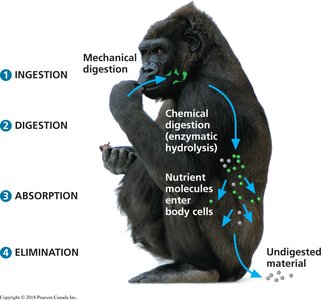
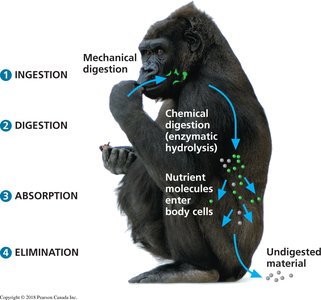
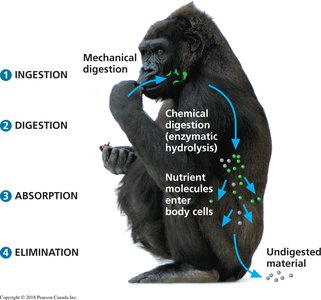
Food processing in animals involves four main steps: ingestion, digestion, absorption, and elimination. Digestion can be mechanical (chewing) or chemical (enzymatic hydrolysis).
Feeding Mechanisms
Animals have evolved various feeding strategies:
Suspension feeding: Filtering small particles from water
Substrate feeding: Living in or on food source
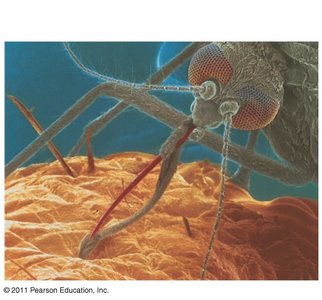
Fluid feeding: Sucking nutrient-rich fluids
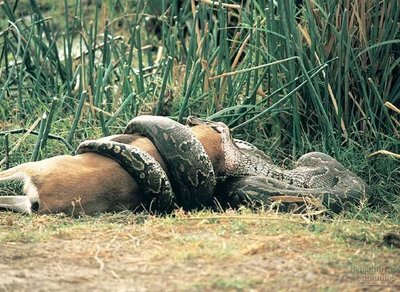
Bulk feeding: Eating large pieces or whole prey
Bulk Feeding Adaptations
Bulk feeders may have expandable bodies or jaws for swallowing prey whole, or specialized teeth and appendages for tearing food into pieces.
Enzymatic Digestion
Digestion can be intracellular (within food vacuoles) or extracellular (within digestive chambers). Most animals use extracellular digestion, with specialized enzymes for breaking down carbohydrates, proteins, lipids, and nucleic acids.
Macromolecule | Enzymes & Products | Molecules Absorbed |
|---|---|---|
Carbohydrates | Amylase → maltose, then maltase → glucose Sucrase → glucose + fructose Lactase → glucose + galactose | Monosaccharides |
Proteins | Pepsin & trypsin → small peptides Carboxypeptidases → amino acids + di-/tripeptides Aminopeptidases → amino acids + di-/tripeptides Cytoplasmic peptidases → amino acids | Tripeptides, dipeptides, amino acids |
Lipids | Lipase → fatty acids + monoglycerides | Fatty acids, monoglycerides |
Nucleic acids | DNAses, RNAses → nucleotides | Nucleotides |
Digestive System Types
Gastrovascular cavity: Single opening, functions in both digestion and distribution of nutrients (e.g., cnidarians, flatworms)
Alimentary canal: Tube with two openings (mouth and anus), allows for specialized regions and more efficient digestion
Adaptations to Diet
Mammalian teeth are adapted to diet: herbivores have grinding molars, carnivores have sharp canines and shearing teeth. Herbivores often have larger cecums for digesting cellulose, sometimes with symbiotic microorganisms or specialized stomachs (e.g., ruminants).
Respiratory Systems
Respiratory Media and Gas Exchange
Animals exchange gases with their environment using air or water as the respiratory medium. Oxygen is less soluble in water, making aquatic respiration more challenging. Gas exchange relies on diffusion across moist, large, and vascularized surfaces.
Respiratory surfaces: Skin, gills, lungs
Ventilation: Movement of respiratory medium over the surface (e.g., gill bailers, buccal pump, ram-jet ventilation)
Types of Respiratory Systems
Cutaneous respiration: Gas exchange across the skin (e.g., amphibians, some annelids)
Gills: Specialized for aquatic respiration; can be external or internal
Lungs: Internal, highly branched structures for air breathing (e.g., mammals, birds, reptiles)
Tracheal system: In insects, air is delivered directly to tissues via tracheae and tracheoles
Mechanics of Breathing
In mammals, breathing is governed by Boyle's Law: pressure is inversely proportional to volume (). Inhalation increases thoracic volume, decreasing pressure and drawing air in; exhalation reverses this process.
Oxygen and Carbon Dioxide Transport
Oxygen: Carried by metalloproteins (hemoglobin in vertebrates, hemocyanin in some invertebrates)
Carbon dioxide: Highly soluble, transported as dissolved CO2, bound to hemoglobin, or as bicarbonate (HCO3-)
Carbonic anhydrase catalyzes the conversion between CO2 and HCO3-:
Excretory Systems
Nitrogenous Waste Removal
Animals produce nitrogenous wastes from protein and nucleic acid metabolism. The main forms are ammonia (highly toxic, very soluble), urea (less toxic, moderately soluble), and uric acid (least toxic, poorly soluble).
Filtration: Blood pressure forces plasma into excretory tubules
Reabsorption: Useful solutes are reclaimed
Secretion: Additional wastes are actively transported into filtrate
Excretion: Concentrated urine is expelled
Types of Excretory Organs
Protonephridia: Found in flatworms; network of tubules with flame bulbs
Metanephridia: Found in annelids; tubules open to coelom and exterior
Malpighian tubules: Found in insects; remove wastes from hemolymph
Kidneys: Found in vertebrates; composed of nephrons for filtration and reabsorption