 Back
BackAnimal Nutrition: Structure, Function, and Evolution of Digestive Systems
Study Guide - Smart Notes
 Tailored notes based on your materials, expanded with key definitions, examples, and context.
Animal Nutrition
Introduction to Animal Nutrition
Animal nutrition is the study of how animals obtain and utilize food to support cellular processes, growth, maintenance, and reproduction. The diversity of animal diets reflects evolutionary adaptations to different ecological niches and physiological needs.
Why Do We Eat?
Eating is essential for survival, providing the energy and nutrients required for all biological functions. The way animals eat is influenced by physiological, ecological, and evolutionary factors.
Concept 41.1: An Animal’s Diet Must Supply Chemical Energy and Building Blocks
Chemical Energy and ATP
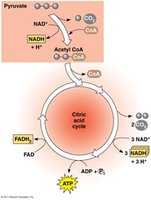
Animals require chemical energy, primarily in the form of ATP, to power cellular processes. ATP is generated through the breakdown of carbohydrates, fats, and proteins, mainly via cellular respiration.
ATP (Adenosine Triphosphate): The universal energy currency of cells, produced mainly through the citric acid cycle and oxidative phosphorylation.
Carbohydrates: The primary source of energy for most animals.
Organic Building Blocks
Animals must obtain organic molecules such as amino acids, fatty acids, sugars, and nucleotides from their diet to synthesize macromolecules necessary for growth, maintenance, and reproduction.
Nucleic acids, carbohydrates, proteins, and lipids are essential for cellular structure and function.
Essential nutrients are those that cannot be synthesized by the organism and must be obtained from food.
Essential Nutrients
Essential nutrients include amino acids, fatty acids, vitamins, and minerals. These are required for various metabolic processes and must be present in the diet.
Essential Amino Acids
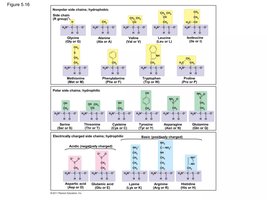
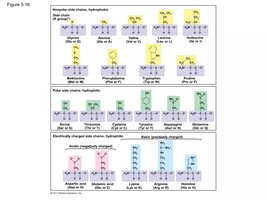
Most animals can synthesize about half of the amino acids needed to build proteins; the rest are essential and must be obtained from food. Humans require eight essential amino acids (nine for infants).
Complete proteins: Contain all essential amino acids (e.g., animal products).
Incomplete proteins: Lack one or more essential amino acids (e.g., most plant proteins).
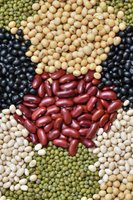
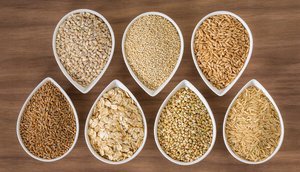
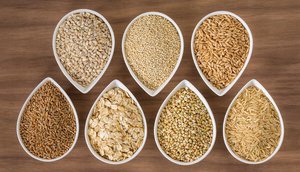
Vegetarians can obtain all essential amino acids by combining different plant foods (e.g., beans and grains).
Essential Fatty Acids
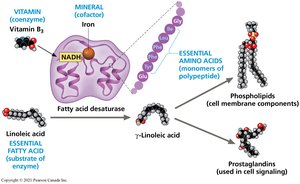
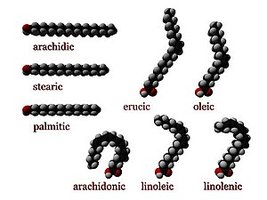
Animals can synthesize many fatty acids, but some, such as linoleic acid, are essential and must be obtained from the diet. These fatty acids are important for cell membrane structure and signaling molecules.
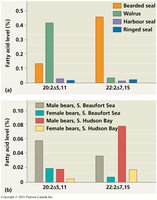
Fatty Acid Signatures
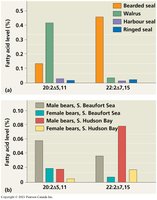
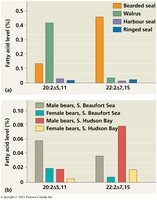
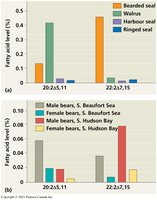
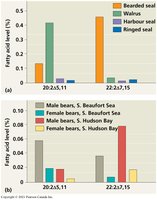
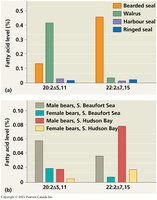
Fatty acid composition in animal tissues can reflect dietary sources and is used in ecological and physiological studies to trace food webs and animal diets.
Vitamins and Minerals
Vitamins are organic molecules required in small amounts for enzyme function and other physiological processes. Minerals are inorganic nutrients essential for various cellular activities.
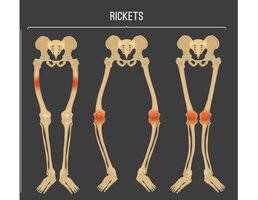
Vitamins: e.g., Vitamin D (prevents rickets), Vitamin C (prevents scurvy).
Minerals: e.g., iron (prevents anemia).
Concept 41.2: Food Processing Involves Ingestion, Digestion, Absorption, and Elimination
Overview of Food Processing
Food processing in animals consists of four main stages: ingestion (eating), digestion (breaking down food), absorption (uptake of nutrients), and elimination (removal of wastes).
Types of Ingestion
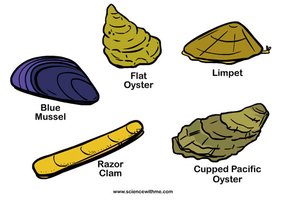
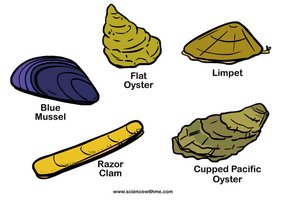
Filter feeders: Strain small particles from water (e.g., clams, whales).
Substrate feeders: Live in or on their food source (e.g., caterpillars).
Fluid feeders: Suck nutrient-rich fluids from hosts (e.g., aphids, mosquitoes).
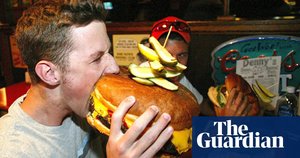
Bulk feeders: Eat large pieces of food (e.g., humans, most mammals).
Digestion
Digestion can be physical (mechanical breakdown) or chemical (enzymatic breakdown of macromolecules into absorbable units).
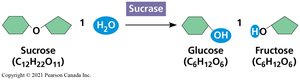
Digestive Compartments
Digestive compartments allow animals to digest food without damaging their own tissues. These include intracellular digestion (within cells) and extracellular digestion (within specialized cavities or tracts).
Gastrovascular cavity: A single opening serves as both mouth and anus (e.g., cnidarians).
Alimentary canal: A complete digestive tract with separate mouth and anus, allowing for more efficient digestion and absorption.
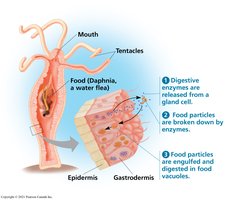
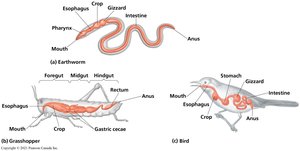
Concept 41.3: The Mammalian Digestive System
Structure and Function
The mammalian digestive system consists of the alimentary canal and accessory glands (salivary glands, pancreas, liver, gallbladder) that secrete digestive juices.
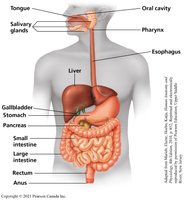
Step 1: Oral Cavity, Pharynx, and Esophagus
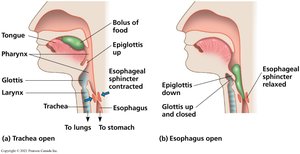
Mechanical digestion begins in the mouth with chewing. Saliva contains enzymes that initiate chemical digestion. The tongue shapes food into a bolus, which is swallowed into the pharynx and esophagus.
Step 2: The Stomach
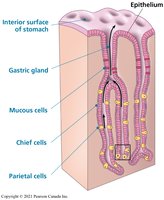
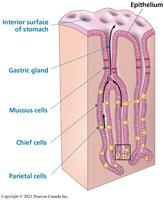
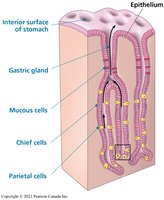
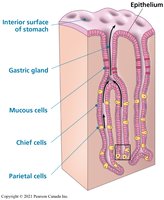
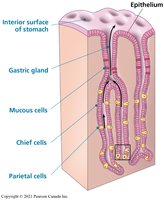
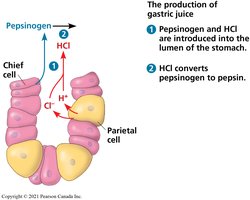
The stomach stores food and continues digestion, especially of proteins, using gastric juice (containing HCl and pepsin). The acidic environment (pH ~2) activates pepsin and helps break down food into chyme.




Step 3: Small Intestine
The small intestine is the main site of digestion and absorption. The duodenum receives chyme from the stomach and digestive juices from the pancreas, liver, and gallbladder. The jejunum and ileum are specialized for nutrient absorption, aided by villi and microvilli that increase surface area.
Accessory Organs
Pancreas: Secretes alkaline solution and digestive enzymes.
Liver: Produces bile for fat digestion.
Gallbladder: Stores and concentrates bile.
Absorption in the Small Intestine
Villi and microvilli (brush border) greatly increase the absorptive surface area. Nutrients are absorbed into the blood or lymphatic system. The hepatic portal vein transports nutrient-rich blood to the liver for processing.
Fat Digestion and Absorption
Bile salts emulsify fats, increasing surface area for enzymatic hydrolysis by lipases. Fatty acids and monoglycerides are absorbed and reassembled into triglycerides, which are packaged into chylomicrons and transported via the lymphatic system.
Step 4: The Large Intestine
The large intestine (colon, cecum, rectum) reabsorbs water and forms feces. The cecum is important for fermenting plant material in some animals but is vestigial in humans. Feces are stored in the rectum until elimination.
Concept 41.4: Evolutionary Adaptations of Vertebrate Digestive Systems
Digestive System Diversity
Vertebrate digestive systems are adapted to different diets. Herbivores often have longer digestive tracts and specialized chambers (e.g., rumen) to aid in the breakdown of plant material, often with the help of symbiotic microbes.
Concept 41.5: Feedback Circuits Regulate Digestion, Energy Storage, and Appetite
Homeostatic Regulation
Digestion, energy storage, and appetite are regulated by feedback circuits involving the digestive, nervous, and endocrine systems. Hormones such as gastrin, insulin, ghrelin, leptin, and PYY play key roles in these processes.
Gastrin: Stimulates gastric juice production in response to stomach stretching.
Insulin: Promotes glucose uptake and storage, suppresses appetite.
Ghrelin: Triggers hunger.
Leptin and PYY: Suppress appetite.
Summary Table: Essential Nutrients and Their Functions
Nutrient | Function | Examples |
|---|---|---|
Essential Amino Acids | Protein synthesis, enzyme function | Lysine, tryptophan, methionine |
Essential Fatty Acids | Cell membrane structure, signaling | Linoleic acid, alpha-linolenic acid |
Vitamins | Cofactors for enzymes, antioxidant | Vitamin C, Vitamin D, Vitamin B12 |
Minerals | Osmoregulation, nerve function, structure | Iron, calcium, potassium |
