 Back
BackAnimal Nutrition: Structure, Function, and Regulation of the Digestive System
Study Guide - Smart Notes
 Tailored notes based on your materials, expanded with key definitions, examples, and context.
Animal Nutrition
Introduction to Nutrition
Nutrition is the process by which food is taken in, broken down, and absorbed by living organisms. In animals, nutrition serves three primary purposes: providing energy (ATP), supplying raw materials for biosynthesis, and delivering essential nutrients that cannot be synthesized by the organism.
Opportunistic feeders: Most animals will consume food outside their standard diet when necessary.
Types of feeders:
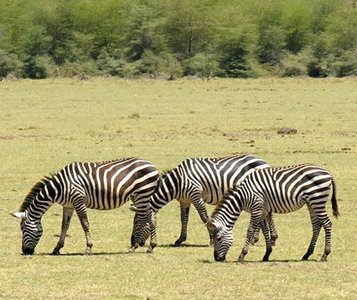
Omnivores: Eat plants, algae, and animals.
Carnivores: Eat other animals.
Herbivores: Eat plants and algae.
Cellular Energy and Nutrient Requirements
All cells, tissues, organs, and whole animals depend on ATP to drive cellular and bodily processes. Animals must ingest and digest food to:
Provide fuel (ATP) for the body (carbohydrates, proteins, lipids)
Generate raw materials for biosynthesis of large biological molecules
Obtain essential nutrients
Essential Nutrients
Definition and Types
Essential nutrients are nutrients that animal cells require but cannot synthesize. There are four main types:
Amino acids
Fatty acids
Vitamins
Minerals
These molecules are required for biosynthetic reactions and often function as substrates, coenzymes, or cofactors for enzymes.
Roles of Essential Nutrients
Substrates for enzymes
Coenzymes (e.g., vitamins)
Cofactors (e.g., minerals)
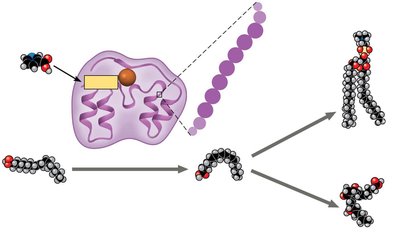
Example: Biosynthesis of phospholipids and prostaglandins requires essential fatty acids, vitamins, and minerals.
Malnutrition
Types and Consequences
Malnutrition is the failure to obtain adequate nutrition. It has two main causes:
Undernutrition: Diet supplies less chemical energy than required, leading to the use of stored fats and carbohydrates, breakdown of body proteins, muscle loss, and potentially irreversible damage or death.
Deficiencies in essential nutrients: Long-term absence of one or more essential nutrients can cause deformities, disease, and death (e.g., Vitamin A deficiency from rice-based diets).
Food Processing
Stages of Food Processing
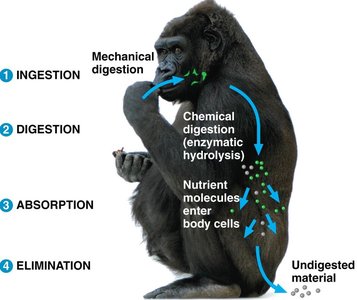
Food processing in animals occurs in four main stages:
Ingestion: Act of eating or feeding
Digestion: Mechanical and chemical breakdown of food into absorbable molecules
Absorption: Uptake of small nutrient molecules into blood or lymph
Elimination: Removal of undigested material from the digestive system
The Human Digestive System
Structure and Function
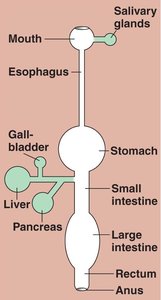
The digestive system consists of the alimentary canal (gastrointestinal tract) and accessory organs (salivary glands, liver, gallbladder, pancreas). Food is moved through the canal by peristalsis (waves of muscle contractions) and regulated by sphincters (ring-like muscles).
Oral Cavity and Swallowing
Digestion begins in the oral cavity, where food is chewed and mixed with saliva containing amylase (breaks down starch), mucus (lubricates and protects), buffers (neutralize acids), and antibacterial agents (lysozymes).
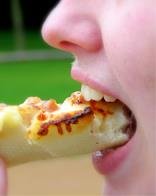
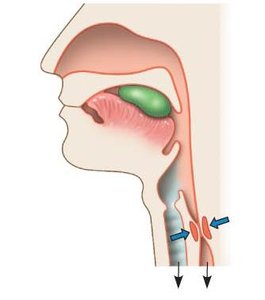
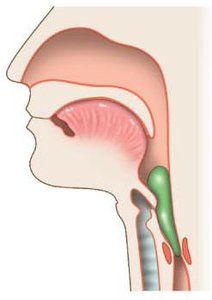
The tongue shapes food into a bolus for swallowing. The coordinated actions of the pharynx, epiglottis, and esophageal sphincter prevent food from entering the trachea.
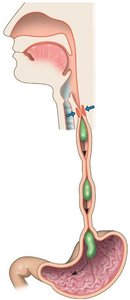
Stomach: Chemical Digestion
The stomach secretes gastric juice (HCl and pepsin) to digest proteins. Specialized cells include:
Mucus cells: Secrete mucus to protect the stomach lining
Chief cells: Secrete pepsinogen (inactive pepsin)
Parietal cells: Secrete H+ and Cl- to form HCl
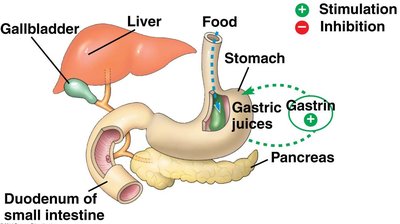
G-cells: Produce gastrin (stimulates gastric juice production)
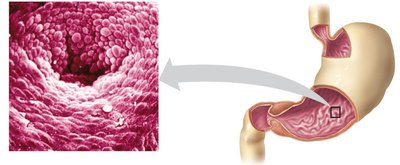
Chyme is the acidic, partially digested food mixture leaving the stomach.
Protection and Ulcers
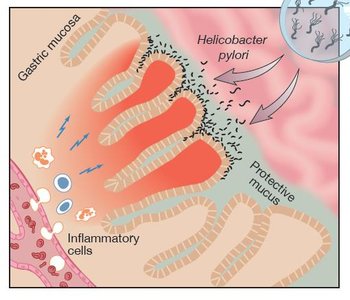
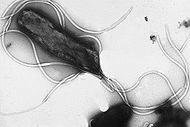
Epithelial cells secrete mucus for protection and are rapidly replaced. Gastric ulcers are caused by Helicobacter pylori infection and are treated with antibiotics.
Small Intestine: Digestion and Absorption
Structure and Function
The small intestine (SI) is the main site of chemical digestion and nutrient absorption. The duodenum receives chyme and digestive juices from the pancreas, liver, and gallbladder.
Pancreas: Secretes bicarbonate (neutralizes acid) and digestive enzymes
Liver: Produces bile (emulsifies fats)
Gallbladder: Stores and releases bile
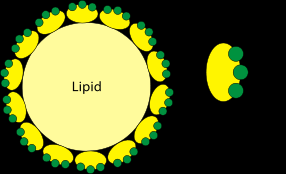
Enzymatic Hydrolysis
Enzymes break down carbohydrates, proteins, nucleic acids, and fats into absorbable units. Bile salts are essential for fat digestion and absorption, forming micelles for transport.
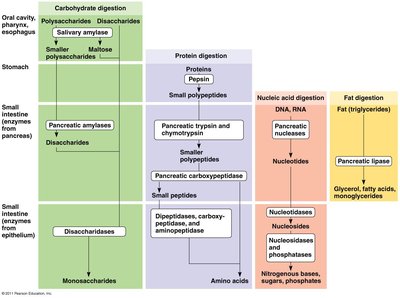
Absorption in the Small Intestine
The jejunum and ileum have villi and microvilli that greatly increase surface area for absorption. Nutrients cross epithelial cells by facilitated diffusion or active transport.
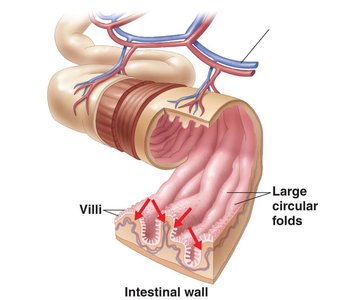
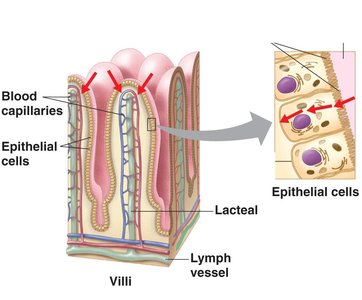
Fat Absorption
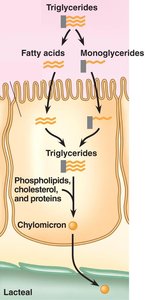
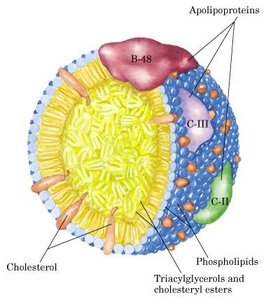
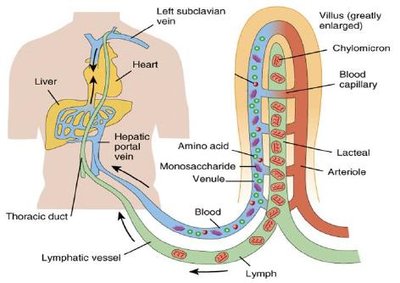
Fatty acids and monoglycerides are absorbed, reassembled into triglycerides, and packaged into chylomicrons, which enter the lymphatic system before reaching the bloodstream.
Liver Function
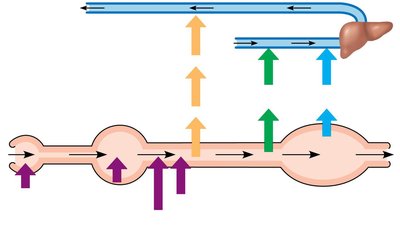
The liver regulates nutrient distribution, detoxifies substances, and stores glucose as glycogen. Blood leaving the liver has a different nutrient composition than blood entering it.
Large Intestine and Microbiome
Water Recovery and Feces Formation
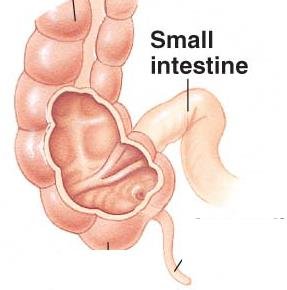
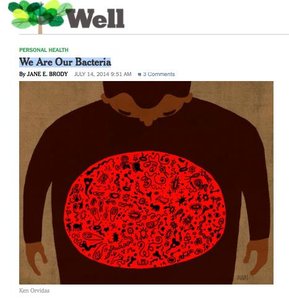
The large intestine (colon) completes water reabsorption and forms feces. It houses a rich community of harmless bacteria (microbiome) that aid digestion, produce vitamins, and influence immunity and health.
Hormonal Regulation of Digestion
Digestive Hormones and Feedback Mechanisms
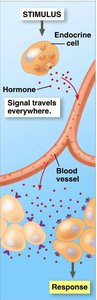
Hormones coordinate digestion by acting on target cells with specific receptors. Key hormones include:
Gastrin: Stimulates gastric juice production in the stomach
Secretin: Stimulates bicarbonate release from the pancreas
Cholecystokinin (CCK): Stimulates enzyme and bile release
Insulin: Promotes glucose uptake and glycogen synthesis
Glucagon: Stimulates glycogen breakdown
Appetite Regulation
Appetite is regulated by hormones targeting the brain's satiety center:
Ghrelin: Secreted by the stomach, triggers hunger
Insulin: Suppresses appetite after meals
PYY: Secreted by the small intestine, suppresses appetite
Leptin: Produced by adipose tissue, suppresses appetite
Summary Table: Digestive Enzymes and Their Actions
Location | Carbohydrate Digestion | Protein Digestion | Nucleic Acid Digestion | Fat Digestion |
|---|---|---|---|---|
Oral cavity, pharynx, esophagus | Salivary amylase | - | - | - |
Stomach | - | Pepsin | - | - |
Small intestine (pancreatic enzymes) | Pancreatic amylases | Trypsin, chymotrypsin, carboxypeptidase | Pancreatic nucleases | Pancreatic lipase |
Small intestine (epithelium) | Disaccharidases | Dipeptidases, carboxypeptidase, aminopeptidase | Nucleotidases, nucleosidases, phosphatases | - |
Additional info: This table summarizes the main digestive enzymes and their sites of action for each macromolecule class.
