 Back
Animal Nutrition: Structure, Function, and Regulation
Study Guide - Smart Notes
 Tailored notes based on your materials, expanded with key definitions, examples, and context.
Animal Nutrition
Overview of Animal Nutrition
Animal nutrition involves the processes by which animals obtain and utilize food for energy, growth, and maintenance. The digestive system is specialized to break down complex food molecules into absorbable units, regulate nutrient intake, and maintain homeostasis.
Ingestion: Intake of food into the digestive tract.
Digestion: Breakdown of food into smaller, absorbable molecules.
Absorption: Uptake of nutrients into the body.
Elimination: Removal of indigestible substances and waste.
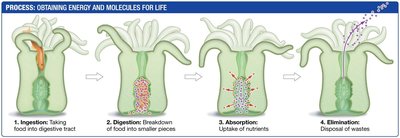
Nutrient Intake and Macronutrients
Carbohydrates
Carbohydrates are a primary energy source for animals and exist as monosaccharides, disaccharides, and polysaccharides.
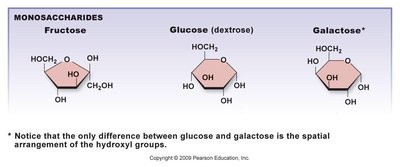
Monosaccharides: Simple sugars such as glucose, fructose, and galactose. They differ in the arrangement of hydroxyl groups.
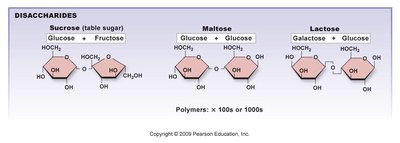
Disaccharides: Composed of two monosaccharides. Examples include sucrose (glucose + fructose), maltose (glucose + glucose), and lactose (galactose + glucose).
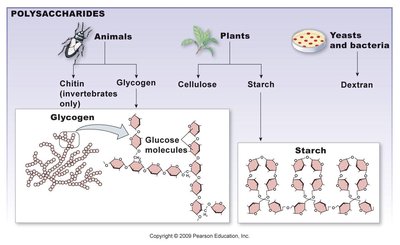
Polysaccharides: Long chains of monosaccharides. Examples include glycogen (animals), starch and cellulose (plants), and chitin (invertebrates).
Carbohydrate Digestion
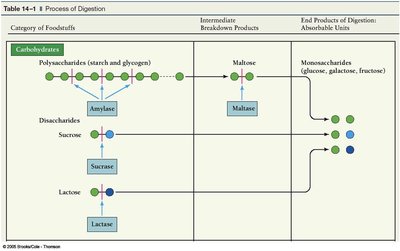
Carbohydrate digestion involves enzymatic breakdown from polysaccharides to monosaccharides, which are then absorbed.
Amylase: Breaks down starch and glycogen into maltose.
Maltase, sucrase, lactase: Convert disaccharides into monosaccharides.
Category of Foodstuff | Intermediate Breakdown Products | End Products of Digestion (Absorbable Units) |
|---|---|---|
Polysaccharides (starch, glycogen) | Maltose | Glucose, galactose, fructose |
Disaccharides (sucrose, lactose) | — | Glucose, galactose, fructose |
Proteins
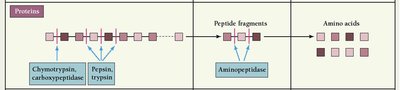
Proteins are essential for structure and function in animals. Digestion breaks proteins into amino acids for absorption and use in biosynthesis.
Proteases: Enzymes such as pepsin, trypsin, and chymotrypsin break proteins into peptides and amino acids.
Aminopeptidases: Complete the breakdown to free amino acids.
Lipids
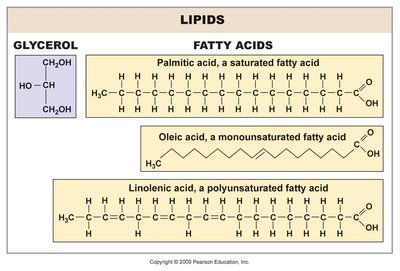
Lipids are important for energy storage, membrane structure, and signaling. They are composed of glycerol and fatty acids, which can be saturated, monounsaturated, or polyunsaturated.
Glycerol: A three-carbon alcohol forming the backbone of triglycerides.
Fatty acids: Long hydrocarbon chains with a carboxyl group; can be saturated (no double bonds), monounsaturated (one double bond), or polyunsaturated (multiple double bonds).
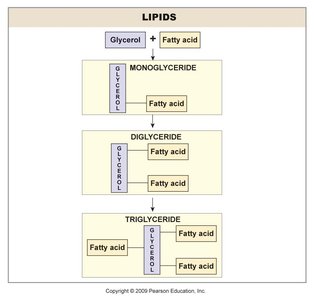
Triglycerides: Formed by the esterification of three fatty acids to glycerol.
Lipid Digestion
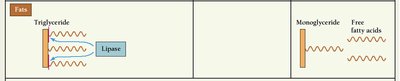
Lipids are digested by lipases, which break triglycerides into monoglycerides and free fatty acids.
Digestive System Structure and Function
Vertebrate Gastrointestinal Tract
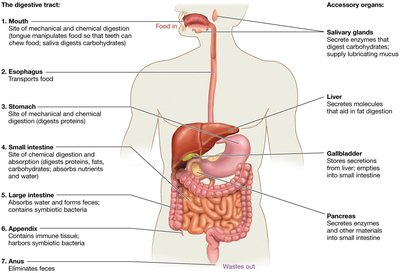
The vertebrate digestive system consists of a continuous tube with specialized regions for different digestive functions, supported by accessory organs.
Mouth: Mechanical and chemical digestion begins here.
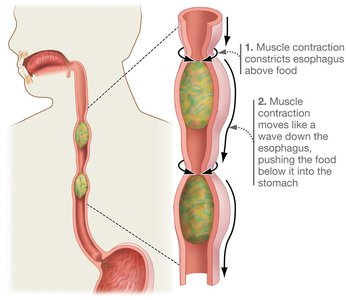
Esophagus: Transports food to the stomach via peristalsis.
Stomach: Initiates protein digestion and mechanically processes food.
Small intestine: Major site of digestion and absorption.
Large intestine: Absorbs water and forms feces.
Accessory organs: Salivary glands, liver, gallbladder, pancreas.
GI Tract Cross-Section
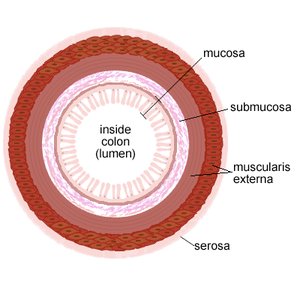
The gastrointestinal tract wall consists of several layers:
Lumen: Central cavity where digestion occurs.
Mucosa: Innermost layer, secretes mucus and enzymes.
Submucosa: Connective tissue with blood vessels and nerves.
Muscularis externa: Smooth muscle for peristalsis.
Serosa: Outermost protective layer.
Steps of Digestion: Mouth and Esophagus
Digestion begins in the mouth with mechanical breakdown (mastication) and chemical digestion by salivary amylase. The esophagus moves food to the stomach via peristalsis.
Mastication: Chewing increases surface area for enzymes.
Saliva: Lubricates food and contains amylase for starch digestion.
Peristalsis: Coordinated muscle contractions move food through the esophagus.
Stomach
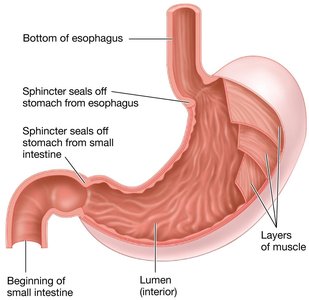
The stomach stores food, initiates protein digestion, and sterilizes food with acid. Sphincters regulate entry and exit of food.
Mechanical breakdown: Churning mixes food with gastric juices.
Protein digestion: Pepsin begins protein hydrolysis.
Sphincters: Control passage between esophagus, stomach, and small intestine.
Ruminant Stomachs
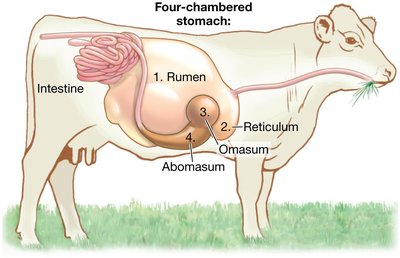
Ruminants (e.g., cows) have a four-chambered stomach for digesting cellulose with the help of symbiotic microbes.
Chambers: Rumen, reticulum, omasum, abomasum.
Function: Fermentation and breakdown of plant material.
Small Intestine
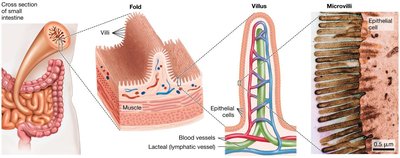
The small intestine is the main site for digestion and absorption of nutrients. It receives secretions from the pancreas (enzymes) and liver/gallbladder (bile).
Chyme: Partially digested food entering from the stomach.
Enzymes: Amylases, lipases, proteases from the pancreas.
Bile: Emulsifies fats for digestion.
Absorption: Occurs via villi and microvilli, increasing surface area.
Digestion and Absorption of Carbohydrates, Proteins, and Fats
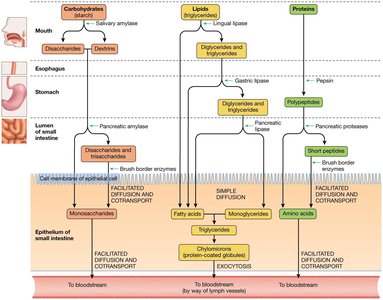
Enzymatic digestion in the small intestine produces absorbable units: monosaccharides, amino acids, and fatty acids.
Carbohydrates: Amylase and brush border enzymes produce monosaccharides for absorption.
Proteins: Proteases and peptidases yield amino acids.
Fats: Bile salts emulsify fats; lipases produce fatty acids and monoglycerides, which are absorbed into lymphatic vessels (lacteals).
Absorption Mechanisms
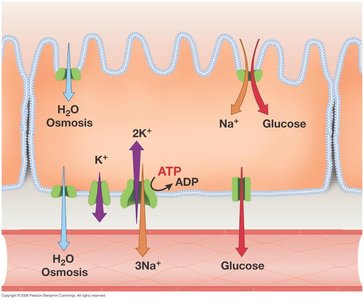
Absorption of nutrients involves active and passive transport across the intestinal epithelium.
Glucose and amino acids: Absorbed by active transport and cotransport with sodium ions.
Fatty acids: Diffuse into epithelial cells, reassembled into fats, and transported via the lymphatic system.
Large Intestine
The large intestine absorbs water and ions, houses the microbiome, and forms feces for elimination.
Microbiome: Produces vitamins and fatty acids, prevents pathogen colonization.
Colon, rectum, appendix: Regions of the large intestine involved in water absorption, immune function, and feces storage.
Defecation: Controlled by internal and external anal sphincters.
States of Nutrient Influx and Energy Storage
Absorptive and Post-Absorptive States
Animals alternate between absorptive (nutrients entering blood from GI tract) and post-absorptive (no nutrient influx) states.
Absorptive state: Both anabolic (building) and catabolic (breaking down) processes occur; energy is stored as glycogen and fat.
Post-absorptive state: Mainly catabolic; energy is released from stores.
Energy Storage
Energy is stored efficiently, primarily as fat, with some as glycogen (mainly for CNS use). Carbohydrates, proteins, and fats differ in energy content:
Carbohydrate: 1.5 kcal/g (stored with water)
Protein: 4.5 kcal/g
Fat: 9 kcal/g
Glucose is converted to glycogen or fat for storage, but fat cannot be converted back to glucose.
Control of Energy Homeostasis
Blood Glucose Regulation
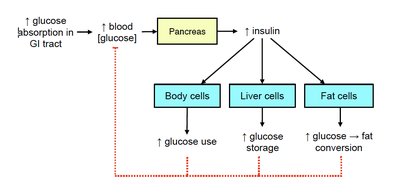
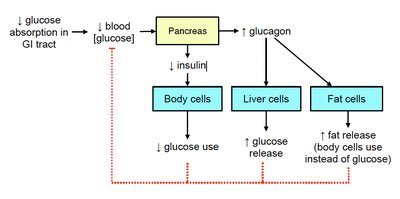
Blood glucose levels are tightly regulated by the hormones insulin and glucagon, both secreted by the pancreas in response to blood glucose concentrations.
Insulin: Promotes glucose uptake and storage during the absorptive phase.
Glucagon: Promotes release of stored fuels during the post-absorptive phase.
Homeostasis of Blood Glucose
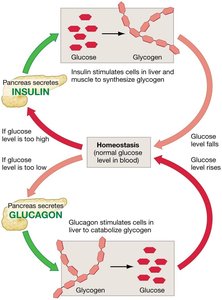
Homeostasis is maintained by the opposing actions of insulin and glucagon:
If blood glucose rises, insulin is secreted to promote glycogen synthesis and glucose uptake.
If blood glucose falls, glucagon is secreted to stimulate glycogen breakdown and glucose release.
Summary Table: Digestive Enzymes and Their Functions
Macronutrient | Enzyme(s) | Site of Action | End Product |
|---|---|---|---|
Carbohydrates | Amylase, maltase, sucrase, lactase | Mouth, small intestine | Monosaccharides |
Proteins | Pepsin, trypsin, chymotrypsin, aminopeptidase | Stomach, small intestine | Amino acids |
Lipids | Lipase, bile salts (emulsification) | Small intestine | Fatty acids, monoglycerides |
Additional info: The notes above integrate and expand upon the provided materials, ensuring a comprehensive, self-contained study guide for college-level General Biology students.
