 Back
BackAnimal Reproduction and Development: Mechanisms and Processes
Study Guide - Smart Notes
 Tailored notes based on your materials, expanded with key definitions, examples, and context.
An Introduction to Development
Overview of Animal Development
Development in animals is a complex process that begins with reproduction and leads to the formation of a new organism. This process involves a series of highly regulated steps, including fertilization, cleavage, gastrulation, and organogenesis.
Reproduction precedes development and can occur via asexual or sexual means.
Development transforms a single cell (zygote) into a multicellular organism with specialized tissues and organs.
Reproduction: Mechanisms and Types
Asexual Reproduction
Asexual reproduction involves the generation of offspring from a single parent without the fusion of gametes. All offspring are genetically identical to the parent.
Fission: Parent splits into two or more individuals.
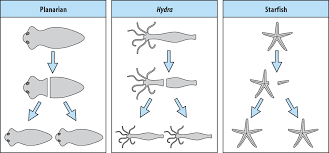
Fragmentation: Parent breaks into pieces, each capable of growing into a new organism.
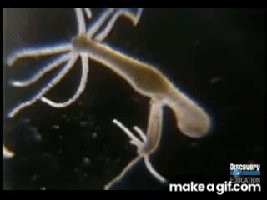
Budding: New individuals grow from the body of the parent.
Regeneration: Ability to regrow lost body parts.
Key Process: All forms of asexual reproduction rely on mitosis for cell division.
Sexual Reproduction
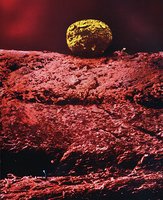
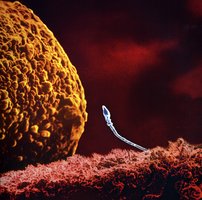
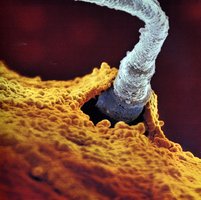
Sexual reproduction involves the fusion of two haploid gametes (sperm and ovum) to form a diploid zygote.
Gametes: Sperm (small, motile) and ovum (large, non-motile).
Meiosis: Gametes are produced via meiosis, ensuring genetic diversity.
Advantages: Genetic diversity through independent assortment, crossing over, and random fertilization; evolutionary adaptation.
Disadvantages: Requires finding a mate, energy expenditure in mating behaviors.
Sexual Reproduction Setups
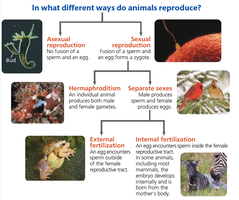
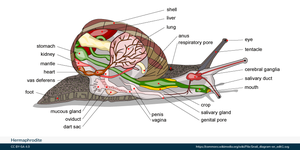
Hermaphroditism: Individual produces both male and female gametes.
Separate Sexes: Distinct male and female individuals produce respective gametes.
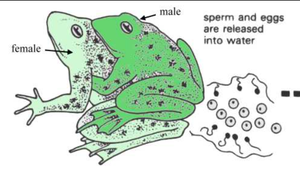
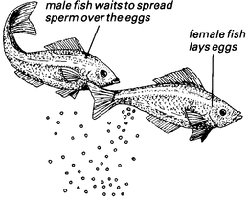
External Fertilization: Gametes are released into the environment, common in aquatic animals.
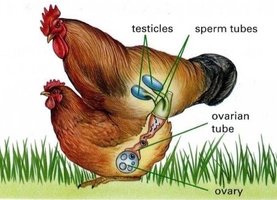
Internal Fertilization: Gametes unite within the body, common in terrestrial animals.
Developmental Processes
Stages of Embryonic Development
Animal development proceeds through a series of stages:
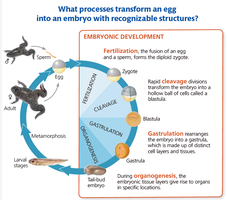
Fertilization: Fusion of sperm and egg to form a zygote.
Cleavage: Rapid mitotic divisions of the zygote, forming a multicellular embryo.
Blastula Formation: Formation of a hollow ball of cells (blastula) surrounding a fluid-filled cavity (blastocoel).
Gastrulation: Rearrangement of cells to form distinct germ layers.
Organogenesis: Germ layers differentiate into organs and tissues.
Cleavage and Blastula Formation
Cleavage: Series of rapid cell divisions without growth, resulting in a multicellular embryo.
Blastula: Hollow ball of cells; in mammals, called a blastocyst.
Morphogenesis: Gastrulation & Germ Layers
Gastrulation is the process by which the blastula is reorganized into a multilayered structure, forming the primary germ layers.
Diploblasts: Organisms with two germ layers (ectoderm and endoderm).
Triploblasts: Organisms with three germ layers (ectoderm, mesoderm, endoderm).
Germ Layers: Each layer gives rise to specific tissues and organs.
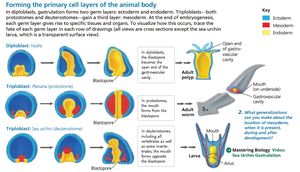
Germ Layers and Their Derivatives
Ectoderm: Forms skin, nervous system, and related structures.
Endoderm: Forms the lining of the digestive tract and associated organs.
Mesoderm: Forms muscles, bones, circulatory system, and other internal structures.
Organogenesis
Organogenesis is the process by which the germ layers develop into organs.
Neurulation: Formation of the neural tube, which becomes the brain and spinal cord.
Induction: Cell signaling events that direct the fate of neighboring cells.
Cell Migration: Movement of cells to specific locations, guided by the cytoskeleton and extracellular matrix.
Determination and Differentiation: Commitment of cells to specific fates and specialization of function.
Related Concepts
Induction: Close-range cell signaling that influences cell fate.
Cell Migration: Critical for tissue formation and repair.
Determination: Commitment of a cell to a particular fate.
Differentiation: Specialization of cell structure and function.
Somites and Segmentation
Somites: Blocks of mesodermal cells that segment the body and give rise to structures such as vertebrae and dermatomes.
Segmentation: Repeating body units, important for organization and function.
Summary Table: Types of Animal Reproduction
Type | Description | Example Organisms |
|---|---|---|
Asexual | No fusion of gametes; offspring genetically identical | Hydra, Planarian, Starfish |
Sexual | Fusion of sperm and egg; genetic diversity | Humans, Birds, Fish |
Hermaphroditism | Individual produces both gametes | Snails, Earthworms |
External Fertilization | Gametes released into environment | Frogs, Fish |
Internal Fertilization | Gametes unite inside body | Mammals, Birds |
Summary Table: Germ Layers and Their Derivatives
Germ Layer | Main Derivatives |
|---|---|
Ectoderm | Skin, nervous system |
Endoderm | Lining of digestive tract, lungs |
Mesoderm | Muscles, bones, circulatory system |
Key Equations and Concepts
Meiosis: (diploid to haploid gametes)
Fertilization: (haploid gametes fuse to form diploid zygote)
Additional info:
Inductive signaling and cell migration are critical for tissue engineering and regenerative medicine.
Understanding germ layer derivatives is essential for studying congenital disorders and developmental biology.
