 Back
Animal Reproduction: Patterns, Systems, and Physiology
Study Guide - Smart Notes
 Tailored notes based on your materials, expanded with key definitions, examples, and context.
Animal Reproduction: Patterns, Systems, and Physiology
Overview of Animal Reproductive Patterns
Animal reproduction encompasses a wide range of patterns, shaped by evolutionary pressures and environmental factors. These patterns include both asexual and sexual reproduction, with variations in anatomy, physiology, and behavior that maximize reproductive success in different ecological contexts.
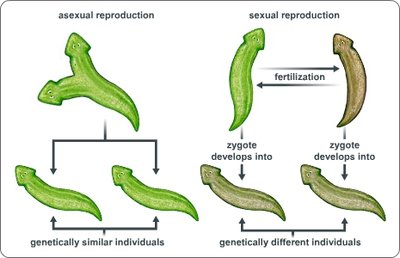
Asexual Reproduction: Offspring are produced without the fusion of gametes, resulting in genetically identical individuals. Common in stable environments where rapid population growth is advantageous.
Sexual Reproduction: Involves the fusion of male and female gametes, producing genetically unique offspring. Favored in unpredictable environments due to increased genetic diversity.
Natural Selection: Shapes reproductive anatomy, physiology, and behavior to maximize fitness within specific environments.
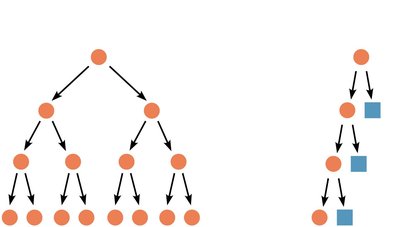
Types of Asexual Reproduction in Animals
Asexual reproduction in animals can occur through several mechanisms, each with distinct biological features and evolutionary implications.
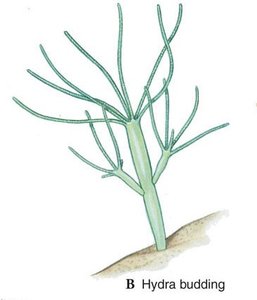
Budding: New individuals arise from outgrowths of the parent, as seen in Hydra.
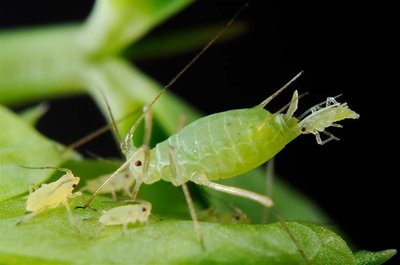
Parthenogenesis: Development of offspring from unfertilized eggs, common in some insects and reptiles.
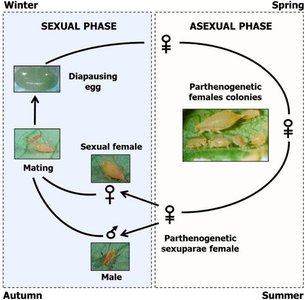
Cyclic Asexual Reproduction: Some species alternate between sexual and asexual reproduction depending on environmental conditions.
Sexual Reproduction and Its Advantages
Sexual reproduction is characterized by the combination of genetic material from two parents, resulting in offspring with unique genetic identities. This process enhances adaptability and survival in changing environments.
Genetic Variation: Sexual reproduction increases genetic diversity, which is crucial for evolution and adaptation.
Fertilization: The fusion of haploid gametes (sperm and egg) restores diploidy and initiates development.
Specialized Reproductive Patterns
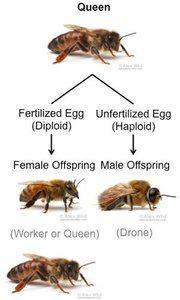
Some animals exhibit unique reproductive strategies, such as haplodiploidy and hermaphroditism, to optimize reproductive success.
Haplodiploidy: In species like bees, wasps, and ants, fertilized eggs develop into diploid females, while unfertilized eggs become haploid males.
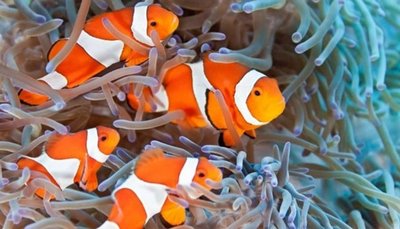
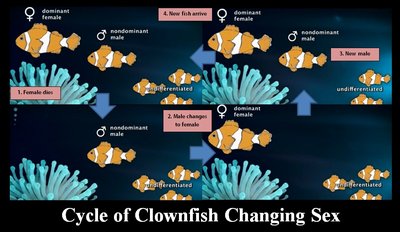
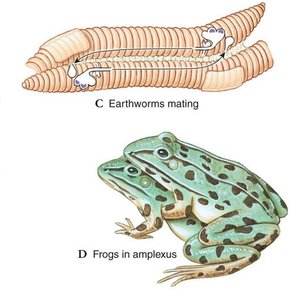
Hermaphroditism: Individuals possess both male and female reproductive organs, either simultaneously or sequentially. Examples include earthworms (simultaneous) and clownfish (sequential).
Animal Reproductive Systems: Anatomy and Physiology
Animal reproductive systems are specialized for gamete production, exchange, and offspring development. The anatomy and physiology of these systems vary widely among animal groups.
Gamete Production: Organs called gonads (testes in males, ovaries in females) produce sperm and eggs, respectively. Gametogenesis is regulated by hormonal feedback mechanisms.
Gamete Exchange: Fertilization can be external (in aquatic environments) or internal (in terrestrial or some aquatic animals), requiring specialized structures for gamete transfer.
Offspring Development: Structures and behaviors for parental investment include egg guarding, nest provisioning, and nursing.
Gamete Production and Exchange
Gamete production and exchange are central to sexual reproduction, involving complex anatomical adaptations and physiological processes.
External Fertilization: Gametes are released into the environment, common in aquatic animals. Requires synchronization and environmental cues.
Internal Fertilization: Gametes are transferred directly between individuals, often involving intermittent organs (e.g., penis in mammals, claspers in insects) or cloacal contact (reptiles, birds).
Mammalian Reproductive Anatomy
Mammals have highly specialized reproductive systems, with distinct male and female organs for gamete production, exchange, and support of offspring development.
Male Anatomy: Includes testes (sperm production), epididymis (sperm maturation), vas deferens, seminal vesicles, prostate gland, bulbourethral glands, urethra, and penis.
Female Anatomy: Includes ovaries (egg production), oviducts (fallopian tubes), uterus, cervix, vagina, and external genitalia.
Pathway of Gametes: Sperm travel from testes → epididymis → vas deferens → urethra → out of body. Eggs travel from ovaries → oviduct → uterus.
Gametogenesis in Mammals
Gametogenesis is the process by which gametes are produced in the gonads. In mammals, spermatogenesis and oogenesis are regulated by hormonal feedback and are coordinated with reproductive cycles.
Spermatogenesis: Occurs continuously in the testes, producing four functional sperm from each diploid germ cell. Maturation completes in the epididymis.
Oogenesis: Begins before birth, with meiosis arrested until puberty. Typically, one egg matures per cycle, regulated by hormones (FSH, LH, estradiol, progesterone).
Ovarian and Uterine Cycles: The ovarian cycle (follicular → ovulation → luteal) and uterine cycle (menstrual flow → proliferative → secretory) are tightly coordinated by endocrine signals.
Fertilization in Animals
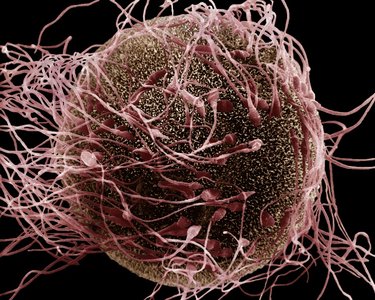
Fertilization is the process by which sperm and egg unite to form a zygote. It involves a series of cellular and molecular events that ensure species specificity and prevent polyspermy (fertilization by multiple sperm).
Acrosomal Reaction: Sperm releases enzymes to penetrate the egg's protective layers, allowing membrane fusion and entry of the sperm nucleus.
Fast Block to Polyspermy: In some species, rapid changes in membrane potential prevent additional sperm from fusing with the egg.
Cortical Reaction (Slow Block): Release of calcium ions triggers cortical granules to modify the egg's outer layer, creating a fertilization envelope that blocks further sperm entry.
Species-Specificity: Sperm-binding receptors on the egg ensure that only sperm from the same species can fertilize the egg.
Summary Table: Comparison of Asexual and Sexual Reproduction
Feature | Asexual Reproduction | Sexual Reproduction |
|---|---|---|
Genetic Diversity | Low (clones) | High (recombination) |
Number of Parents | One | Two |
Adaptation to Environment | Stable | Changing/Unpredictable |
Examples | Hydra, aphids | Mammals, birds, reptiles |
Key Terms and Definitions
Gametogenesis: The process of forming gametes (sperm and eggs) from germ cells via meiosis.
Fertilization: The fusion of male and female gametes to form a zygote.
Hermaphrodite: An organism possessing both male and female reproductive organs.
Parthenogenesis: A form of asexual reproduction where offspring develop from unfertilized eggs.
Polyspermy: Fertilization of an egg by more than one sperm, usually prevented by fast and slow blocks.
Additional Info:
Some animals exhibit both sexual and asexual reproduction depending on environmental conditions (e.g., aphids, some fish).
Human reproductive anatomy and physiology are often used as models for understanding mammalian systems.
Parental investment strategies vary widely, from no care (broadcast spawners) to extensive care (mammals, birds).
