 Back
BackAnimal Structure and Function: Form, Function, and Homeostasis
Study Guide - Smart Notes
 Tailored notes based on your materials, expanded with key definitions, examples, and context.
Animal Structure and Function
Form and Function
The study of animal structure (anatomy) and function (physiology) reveals that the form of an organism is closely related to its function. Animal body plans are shaped by evolutionary processes and are ultimately determined by the genome. The size and shape of an animal affect how it interacts with its environment and the types of actions it can perform.
Anatomy: Study of the biological form of an organism.
Physiology: Study of the biological functions an organism performs.
Comparative study: Reveals correlations between form and function across species.
Physical constraints: Laws of physics and environment limit possible body plans.
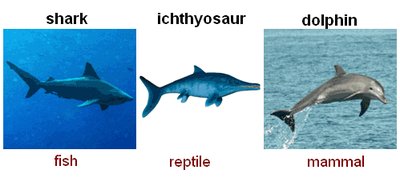
Example: Convergent evolution has led to similar body shapes in sharks (fish), ichthyosaurs (reptiles), and dolphins (mammals) due to similar environmental challenges.
Physical Constraints on Animal Size and Shape
The ability of animals to perform certain actions depends on their shape, size, and environment. Physical laws, such as those governing diffusion and heat exchange, impose constraints on animal size and shape.
Convergent evolution: Different species independently evolve similar adaptations to similar environments.
Examples: Birds and bats (flight), dolphins and fish (swimming), marsupial wolf and canids (predation).
Exchange with the Environment
Animals must exchange energy and materials with their environment. The efficiency of this exchange is influenced by the surface area to volume ratio. Single-celled organisms have sufficient surface area for exchange, while multicellular organisms require specialized structures and organ systems.
Exchange mechanisms: Diffusion and active transport.
Surface-to-volume ratio: Limits the size of single cells; larger organisms need specialized exchange surfaces (e.g., lungs, intestines).
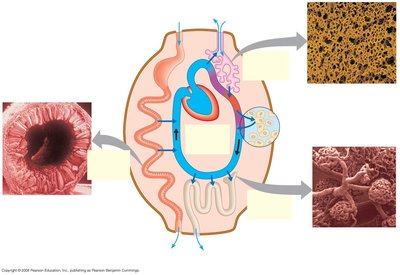
Example: The digestive, respiratory, circulatory, and excretory systems work together to facilitate exchange in complex animals.
Tissues: Structure and Function
Overview of Animal Tissues
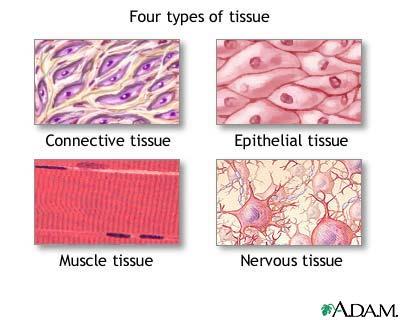
Animal tissues are groups of cells with a common structure and function. There are four main tissue types: epithelial, connective, muscle, and nervous tissue.
Epithelial tissue: Covers body surfaces and lines cavities.
Connective tissue: Supports and binds other tissues.
Muscle tissue: Responsible for movement.
Nervous tissue: Senses stimuli and transmits signals.
Epithelial Tissue
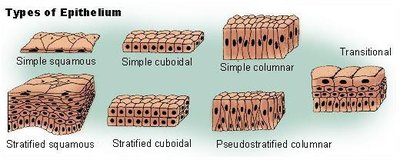
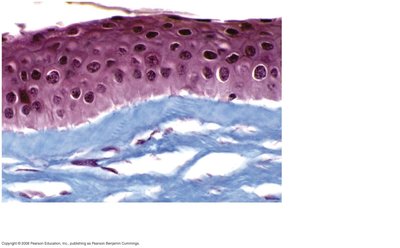
Epithelial tissue forms protective barriers and is involved in absorption, secretion, and sensation. Cells are closely joined and can be classified by shape and number of layers.
Shapes: Cuboidal, columnar, squamous.
Layers: Simple (one layer), stratified (multiple layers), pseudostratified, transitional.
Avascular: Lacks blood vessels; nutrients diffuse from underlying tissues.
Connective Tissue
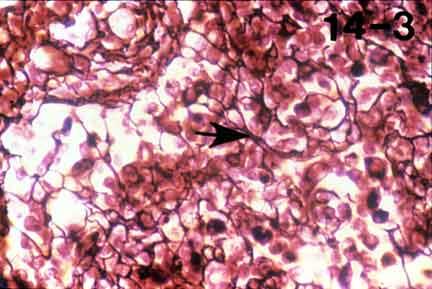
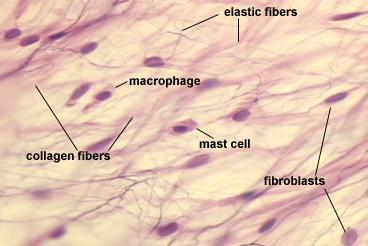
Connective tissue consists of cells scattered within an extracellular matrix. It binds and supports other tissues and is classified based on the type of matrix and fibers present.
Fibers: Collagen (strength, flexibility), elastic (stretch, recoil), reticular (support, connect tissues).
Cells: Fibroblasts (produce fibers), macrophages (immune defense).
Major Types of Connective Tissue
Type | Function |
|---|---|
Loose connective tissue | Binds epithelia to underlying tissues, holds organs in place |
Cartilage | Strong, flexible support |
Fibrous connective tissue | Tendons (muscle to bone), ligaments (bone to bone) |
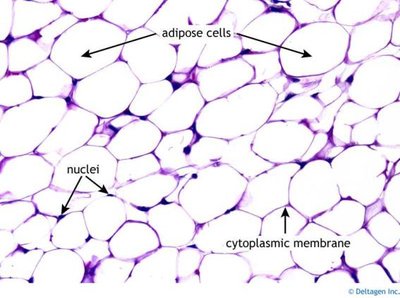
Adipose tissue | Stores fat for insulation and fuel |
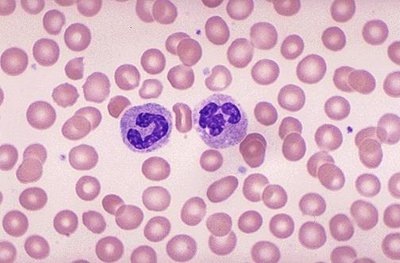
Blood | Transport of substances in plasma |
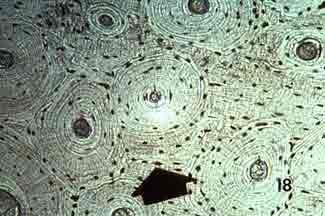
Bone | Mineralized support, forms skeleton |
Muscle Tissue
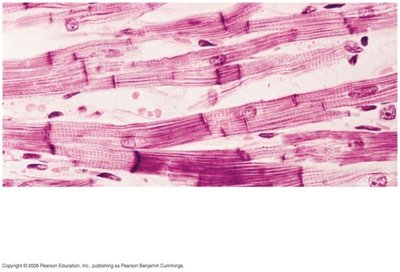
Muscle tissue is composed of long cells called muscle fibers that contract in response to nerve signals. There are three types of muscle tissue:
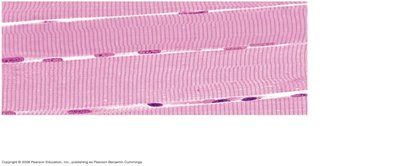
Skeletal muscle (striated): Voluntary movement, attached to bones.
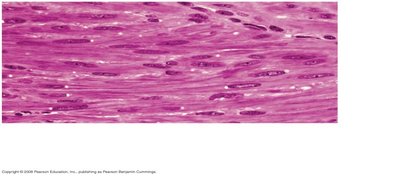
Smooth muscle: Involuntary movements, found in walls of organs.
Cardiac muscle: Involuntary, found only in the heart, responsible for heart contractions.
Nervous Tissue
Nervous tissue senses stimuli and transmits electrical signals throughout the animal body. It consists of neurons (nerve cells) and glial cells (supporting cells).
Neurons: Transmit nerve impulses.
Glial cells: Nourish, insulate, and support neurons.
Coordination and Control: Nervous and Endocrine Systems
Comparison of Nervous and Endocrine Systems
Animals coordinate and control their internal environment using the nervous and endocrine systems.
Nervous system: Fast, specific signaling via electrical impulses (action potentials).
Endocrine system: Slow, widespread signaling via hormones in the bloodstream.
Hormones: Chemical signals that affect target cells and organs, often with long-lasting effects.
Regulation: Homeostasis and Thermoregulation
Regulating and Conforming
Animals manage their internal environment by regulating or conforming to external conditions.
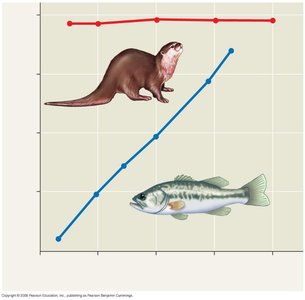
Regulator: Uses internal mechanisms to maintain a stable internal environment (e.g., river otter).
Conformer: Allows internal conditions to vary with external changes (e.g., largemouth bass).
Homeostasis
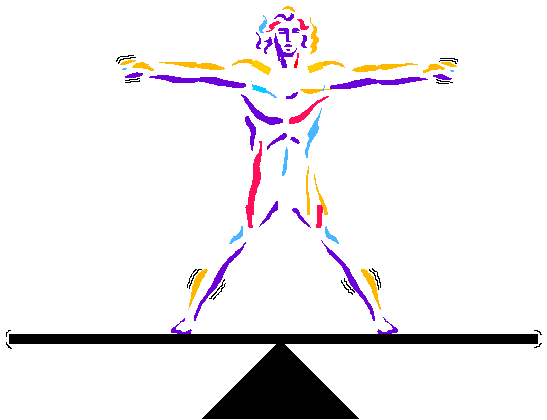
Homeostasis is the maintenance of a steady internal state regardless of external environment. Key variables include body temperature, blood pH, and glucose concentration.
Set point: The target value for a physiological variable.
Sensor: Detects deviations from the set point.
Response: Returns the variable to the set point.
Feedback Loops in Homeostasis
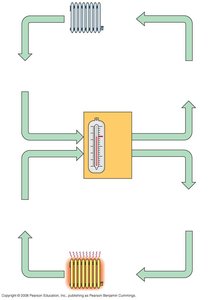
Homeostasis is maintained by feedback mechanisms:
Negative feedback: Reduces the stimulus, returning the variable to normal range (most common).
Positive feedback: Amplifies the stimulus; rare in homeostasis (e.g., childbirth).
Alterations in Homeostasis
Set points and normal ranges can change with age, cyclic variation, or acclimatization (adjustment to new environmental conditions).
Thermoregulation
Thermoregulation is the process by which animals maintain their internal temperature within a tolerable range.
Endothermic: Generate heat by metabolism (birds, mammals).
Ectothermic: Gain heat from external sources (most invertebrates, fishes, amphibians, reptiles).
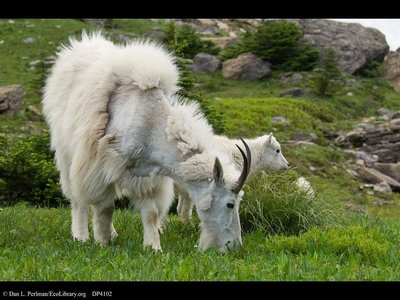
Endothermy vs. Ectothermy
Endotherms: Maintain stable body temperature, active in a wide range of environments, energetically expensive.
Ectotherms: Tolerate greater variation in body temperature, less energy required.
Variation in Body Temperature
Poikilotherm: Body temperature varies with environment.
Homeotherm: Body temperature remains relatively constant.
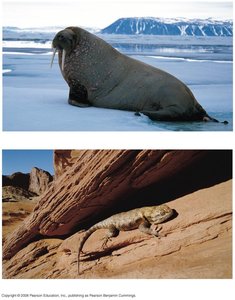
Balancing Heat Loss and Gain
Animals exchange heat with their environment by conduction, convection, radiation, and evaporation. Five general adaptations help animals thermoregulate:
Insulation
Circulatory adaptations
Evaporative heat loss
Behavioral responses
Adjusting metabolic heat production
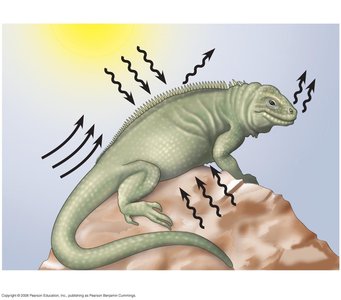
Insulation
Insulation reduces heat flow between an animal and its environment. Examples include skin, feathers, fur, and blubber.
Circulatory Adaptations
Regulation of blood flow near the body surface affects thermoregulation. Vasodilation increases heat loss; vasoconstriction decreases heat loss. Countercurrent exchange allows heat transfer between fluids flowing in opposite directions, reducing heat loss in extremities.
Cooling by Evaporative Heat Loss
Evaporation of water from body surfaces (e.g., sweating, panting) helps cool the body.
Behavioral Responses
Both endotherms and ectotherms use behaviors (e.g., basking, seeking shade) to regulate body temperature.
Adjusting Metabolic Heat Production
Some animals increase heat production through muscle activity (shivering). Some ectotherms can also shiver to raise body temperature.
Acclimatization in Thermoregulation
Birds and mammals can vary their insulation to acclimatize to seasonal temperature changes. Some ectotherms produce antifreeze compounds to prevent ice formation in cells.
Physiological Thermostats and Fever
The hypothalamus acts as the body's thermostat, triggering heat loss or heat-generating mechanisms. Fever is a result of a change in the set point for body temperature.
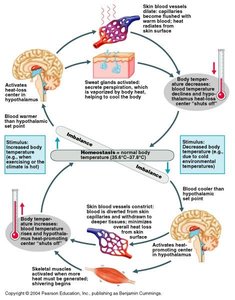
Bioenergetics and Metabolic Rate
Bioenergetics
Bioenergetics is the study of the flow and transformation of energy in an animal. It determines how much food an animal needs and relates to size, activity, and environment.
Animals harvest chemical energy from food to make ATP.
Excess energy is used for biosynthesis (growth, repair, storage, reproduction).
Metabolic Rate
Metabolic rate is the amount of energy an animal uses per unit time. It can be measured by oxygen consumption or carbon dioxide production.
Basal metabolic rate (BMR): Endotherms at rest at a comfortable temperature.
Standard metabolic rate (SMR): Ectotherms at rest at a specific temperature.
Ectotherms have much lower metabolic rates than endotherms of similar size.
Influences on Metabolic Rate
Size and activity are major factors affecting metabolic rate.
Metabolic rate per gram is inversely related to body size among similar animals.
Smaller animals have higher metabolic rates per gram, higher oxygen delivery, and faster heart rates.
Energy Budgets
Animals partition energy use among basal metabolism, activity, thermoregulation, growth, and reproduction. Different species use energy and materials in food differently, depending on their environment.
Torpor and Energy Conservation
Torpor is a physiological state of decreased activity and metabolism, allowing animals to save energy during difficult conditions.
Hibernation: Long-term torpor during winter cold and food scarcity.
Estivation: Summer torpor during high temperatures and scarce water.
Daily torpor: Short-term, often related to feeding patterns in small mammals and birds.
Key Terms and Concepts
Collagenous, elastic, and reticular fibers: Types of protein fibers in connective tissue.
Regulator vs. conformer: Strategies for internal environment control.
Positive vs. negative feedback: Mechanisms of homeostatic regulation.
Basal vs. standard metabolic rates: Metabolic rates in endotherms and ectotherms.
Torpor, hibernation, estivation, daily torpor: States of reduced metabolic activity for energy conservation.
