 Back
BackAP Biology: Chemistry of Life and Cell Structure – Mini-Textbook Study Notes
Study Guide - Smart Notes
 Tailored notes based on your materials, expanded with key definitions, examples, and context.
Chemistry of Life
Structure of Water and Hydrogen Bonding
Water is the essential molecule for life, playing a critical role in the structure and function of cells and organisms. Its unique properties arise from its molecular structure and the hydrogen bonds it forms.
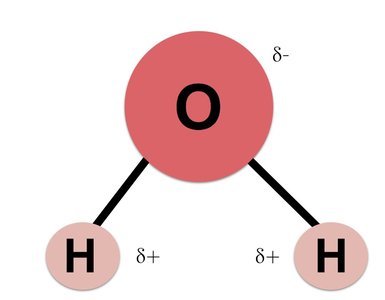
Polarity: Water (H2O) is a polar molecule due to the unequal sharing of electrons between oxygen and hydrogen atoms. Oxygen carries a partial negative charge (δ-), while hydrogens carry partial positive charges (δ+).
Hydrogen Bonds: The polarity allows water molecules to form weak hydrogen bonds with each other and with other polar substances. These bonds are transient, constantly breaking and reforming.
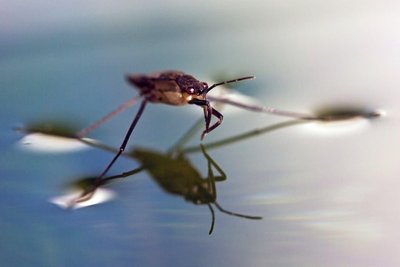
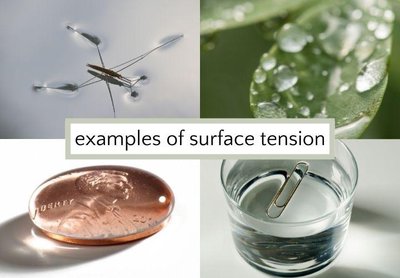
Cohesion: Water molecules are attracted to each other, resulting in high surface tension. This property enables phenomena such as water striders walking on water.
Adhesion: Water also adheres to other polar substances, facilitating capillary action (e.g., water movement in plant xylem).
High Specific Heat: Water absorbs or releases large amounts of heat with minimal temperature change, stabilizing environments and organisms.
High Heat of Vaporization: Significant energy is required to convert water from liquid to gas, allowing for effective cooling mechanisms like sweating.
Universal Solvent: Water dissolves many polar and ionic substances, supporting metabolic reactions and transport in cells.
Elements of Life
Major Elements and Biological Molecules
All living organisms are composed of the same basic chemical elements, but their arrangement leads to a vast diversity of compounds. Life depends on the constant exchange of matter with the environment.
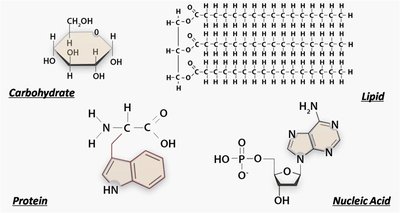
Key Elements: Carbon, hydrogen, oxygen, nitrogen, phosphorus, and sulfur are the most common elements in biological molecules.
Carbon: The backbone of life, capable of forming four covalent bonds, enabling complex organic molecules.
Major Classes of Biological Molecules:
Carbohydrates: Energy storage and structural support (CHO).
Lipids: Energy storage, insulation, and membrane structure (CHO).
Proteins: Enzymes, structure, transport, and more (CHON, sometimes S).
Nucleic Acids: Genetic information storage and transmission (CHONP).
Isomers in Biology
Isomers are molecules with the same chemical formula but different structures, leading to different functions.
Structural Isomers: Different atom connectivity (e.g., glucose vs. fructose).
Cis-trans Isomers: Differ in spatial arrangement around double bonds.
Enantiomers: Mirror images, important in enzyme specificity and drug design.
Importance: Enzyme specificity, drug effects, and biological activity often depend on isomer structure.
Biological Macromolecules
Polymers and Monomers
Many biological macromolecules are polymers, long chains of repeating monomers. The sequence and type of monomers determine the properties and functions of the polymer.
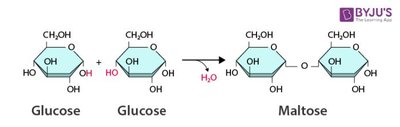
Dehydration Synthesis: Monomers are joined by removing water, forming covalent bonds.
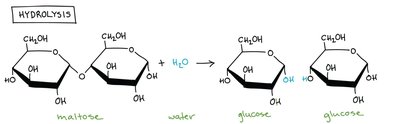
Hydrolysis: Polymers are broken down into monomers by adding water.
Carbohydrates
Carbohydrates serve as energy sources and structural materials.
Monosaccharides: Simple sugars (e.g., glucose, fructose).
Disaccharides: Two monosaccharides joined (e.g., sucrose, lactose).
Polysaccharides: Long chains for energy storage (starch, glycogen) or structure (cellulose, chitin).
Proteins
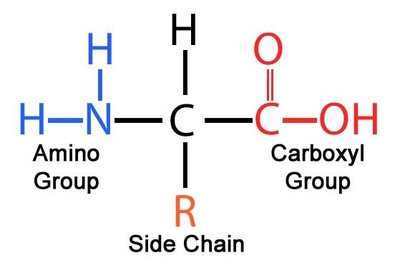
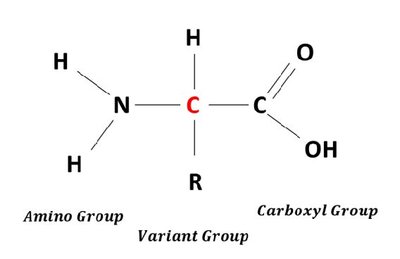
Proteins are polymers of amino acids, each with a unique R-group that determines its properties.
Amino Acids: 20 types, each with an amino group, carboxyl group, hydrogen, and R-group.
Peptide Bonds: Link amino acids into polypeptides.
Structure: The sequence of amino acids determines the protein's 3D shape and function.
Lipids
Lipids are hydrophobic molecules, including fats, phospholipids, and steroids.
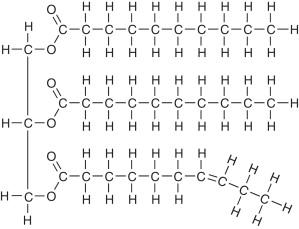
Fats: Glycerol + fatty acids; saturated (solid) or unsaturated (liquid).
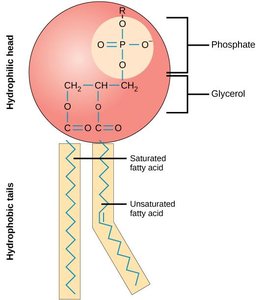
Phospholipids: Form cell membranes; amphipathic with hydrophilic heads and hydrophobic tails.
Steroids: Four-ring structure (e.g., cholesterol, hormones).
Nucleic Acids
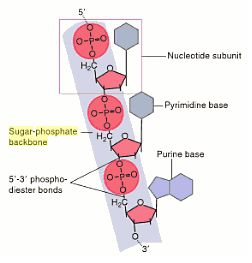
Nucleic acids (DNA and RNA) store and transmit genetic information.
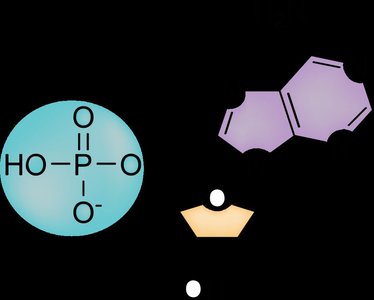
Nucleotides: Monomers with a 5-carbon sugar, phosphate group, and nitrogenous base.
DNA: Double helix, stores genetic information.
RNA: Single-stranded, involved in protein synthesis.
Protein Structure and Function
Levels of Protein Structure
Primary Structure: Linear sequence of amino acids.
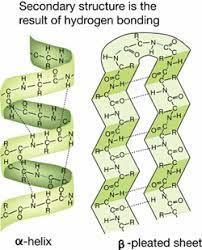
Secondary Structure: Local folding into α-helices and β-pleated sheets via hydrogen bonds.
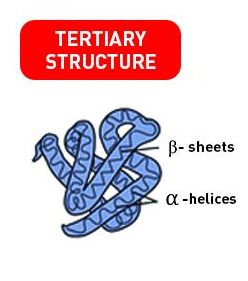
Tertiary Structure: Overall 3D shape due to R-group interactions (hydrophobic, ionic, disulfide bridges).
Quaternary Structure: Association of multiple polypeptide subunits (e.g., hemoglobin).
Cell Structure and Function
Cell Types and Organelles
Cells are the basic units of life, classified as prokaryotic (no nucleus, no membrane-bound organelles) or eukaryotic (nucleus and organelles).
Common Components: Cytosol, ribosomes, plasma membrane.
Eukaryotic Organelles:
Endoplasmic Reticulum (ER): Smooth (lipid synthesis, detoxification) and Rough (protein processing).
Golgi Complex: Modifies, sorts, and packages proteins.
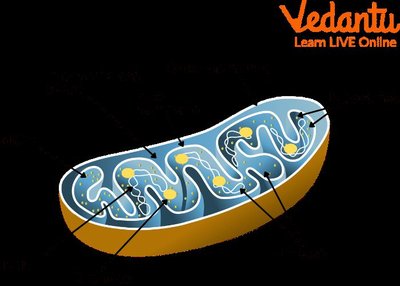
Mitochondria: Site of ATP production via cellular respiration; contains its own DNA and ribosomes.
Lysosome: Digests macromolecules.
Vacuole: Storage and water regulation (large central vacuole in plants).
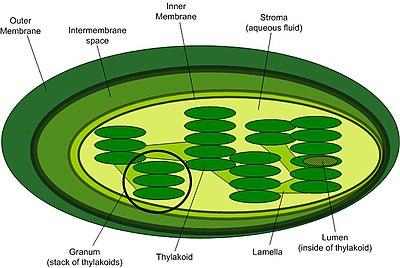
Chloroplasts: Photosynthesis in plants and algae.
Membrane Structure and Function
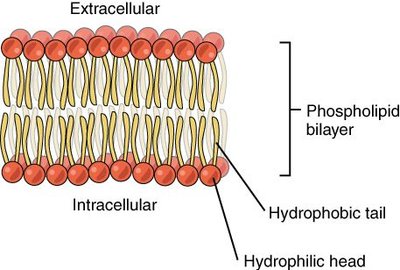
The plasma membrane is a selectively permeable barrier composed of a phospholipid bilayer with embedded proteins, glycoproteins, and sterols.
Fluid Mosaic Model: Describes the dynamic and flexible nature of the membrane.
Phospholipids: Amphipathic molecules with hydrophilic heads and hydrophobic tails.
Membrane Fluidity: Influenced by fatty acid saturation and cholesterol content.
Membrane Transport
Cells transport substances across membranes via passive and active mechanisms.
Passive Transport: Diffusion and facilitated diffusion (no energy required).
Active Transport: Requires energy (ATP) to move substances against their concentration gradient (e.g., sodium-potassium pump).
Vesicle Transport: Endocytosis and exocytosis for large molecules.
Osmosis and Water Potential
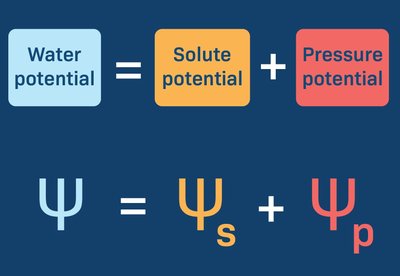
Osmosis is the passive movement of water across a selectively permeable membrane. Water potential predicts the direction of water movement, combining solute and pressure potentials.
Water Potential Equation:
= water potential
= solute potential
= pressure potential
Endosymbiont Theory
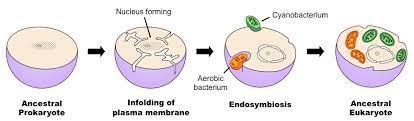
The origin of mitochondria and chloroplasts is explained by the endosymbiont theory, which proposes that these organelles originated from free-living prokaryotes engulfed by ancestral eukaryotic cells.
Evidence: Double membranes, own DNA and ribosomes, independent reproduction.
Enzyme Structure and Function
Enzyme Catalysis
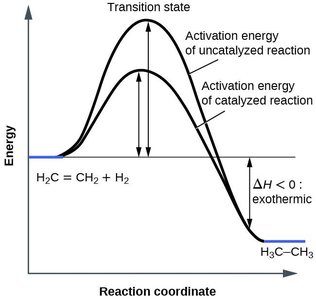
Enzymes are biological catalysts that speed up chemical reactions by lowering activation energy.
Activation Energy (): The energy required to initiate a reaction.
Enzyme-Substrate Complex: Substrate binds to the enzyme's active site, forming an enzyme-substrate complex.
Induced Fit: Enzyme changes shape to better fit the substrate.
Reusability: Enzymes are not consumed in reactions and can be reused.
Enzyme Regulation
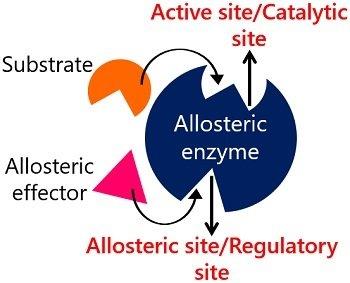
Competitive Inhibitors: Compete with substrate for the active site.
Noncompetitive Inhibitors: Bind elsewhere, changing enzyme shape and function.
Allosteric Regulation: Molecules bind to sites other than the active site, modulating enzyme activity.
Photosynthesis and Cellular Respiration
Photosynthesis
Photosynthesis converts light energy into chemical energy, producing glucose and oxygen. It occurs in two stages: light reactions and the Calvin cycle.
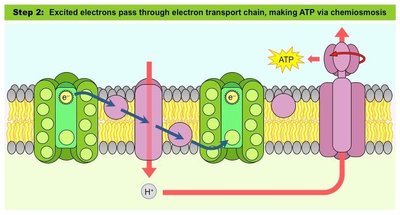
Light Reactions: Occur in thylakoid membranes, produce ATP, NADPH, and O2.
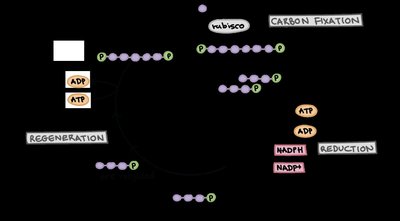
Calvin Cycle: Occurs in the stroma, uses ATP and NADPH to fix CO2 into glucose.
Cellular Respiration
Cellular respiration is the process by which cells extract energy from glucose to produce ATP. It includes glycolysis, the Krebs cycle, and the electron transport chain.
Aerobic Respiration: Requires oxygen, produces more ATP.
Anaerobic Respiration (Fermentation): Occurs without oxygen, less efficient.
Krebs Cycle: Occurs in the mitochondrial matrix, produces NADH, FADH2, and ATP.
Electron Transport Chain: Located in the inner mitochondrial membrane, generates a proton gradient for ATP synthesis via chemiosmosis.
Cell Communication
Types of Cell Signaling
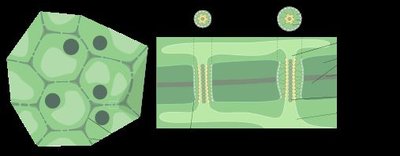
Direct Contact: Gap junctions (animals) and plasmodesmata (plants) allow direct cytoplasmic exchange.
Local Signaling: Paracrine (nearby cells), autocrine (self), and synaptic (neurons).
Long-Distance Signaling: Endocrine signaling via hormones in the bloodstream.
Additional info: This summary covers the foundational topics in AP Biology, focusing on chemistry of life, macromolecules, cell structure, membrane dynamics, enzyme function, and cell communication. For further study, refer to the full course outline for advanced topics such as genetics, evolution, and ecology.
