 Back
Applications of Biotechnology and Stem Cell Biology: Cloning, Gene Engineering, and Ethical Issues
Study Guide - Smart Notes
 Tailored notes based on your materials, expanded with key definitions, examples, and context.
Applications of Biotechnology and Bioengineering
Overview of Biotechnology
Biotechnology involves the use of living organisms, cells, and biomolecules to develop products and technologies that improve human life. Applications range from medical therapies to agricultural advancements and environmental solutions.
Genetic Engineering: Manipulation of DNA to produce desired traits or products.
Cloning: Production of genetically identical organisms or cells.
Stem Cell Technology: Use of undifferentiated cells for regenerative medicine.
Stem Cells and Development
Genetic Potential of Cells - Stem Cells
Stem cells are undifferentiated cells with the ability to self-renew and differentiate into specialized cell types. They are essential for growth, development, and tissue repair.
Self-renewal: Ability to divide and produce more stem cells.
Differentiation: Ability to become specialized cells such as neurons, muscle cells, or blood cells.
Types: Embryonic stem cells (pluripotent) and adult stem cells (multipotent).
Early Stages of Development: Fertilization to Implantation
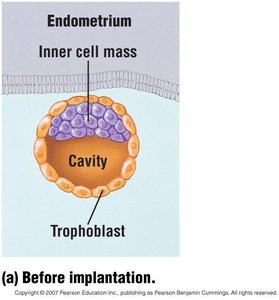
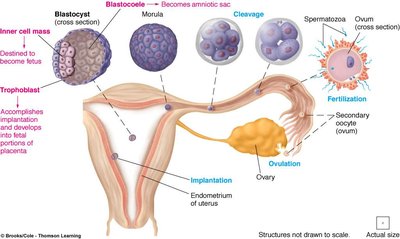
Development begins with fertilization, followed by cleavage, formation of the blastocyst, and implantation in the uterus. The blastocyst contains an inner cell mass that gives rise to the embryo.
Fertilization: Fusion of sperm and egg to form a zygote.
Cleavage: Rapid cell division without growth.
Blastocyst: Early embryo with inner cell mass and trophoblast.
Implantation: Embedding of the blastocyst into the uterine wall.
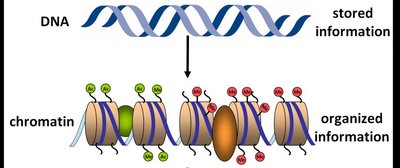
Chromatin Pattern in Early and Differentiated Cells
Chromatin structure changes as cells differentiate. In early cells, chromatin is less condensed, allowing for gene expression and pluripotency. In differentiated cells, chromatin is more organized and specific genes are silenced.
Chromatin: Complex of DNA and proteins that forms chromosomes.
Gene Regulation: Chromatin remodeling controls which genes are active.
Cell Reprogramming and Cloning
Reprogramming Mature Cells
Cell reprogramming involves reverting differentiated cells to a pluripotent state. This process has significant advantages for regenerative medicine and research.
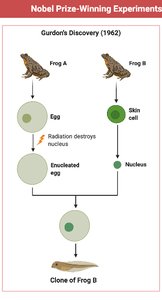
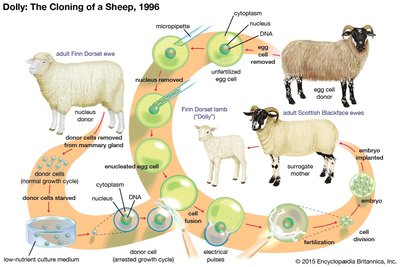
Somatic Cell Nuclear Transfer (SCNT): Technique where the nucleus of a mature cell is transferred into an enucleated egg.
Advantage: Potential to generate patient-specific stem cells for therapy.
Historical Milestones in Cloning
Cloning experiments have challenged the idea that cell differentiation is irreversible. Notable milestones include the cloning of frogs and mammals.
John B. Gurdon's Experiment (1962): Demonstrated that mature cells can be reprogrammed to develop into a whole organism.
Dolly the Sheep (1996): First mammal cloned using SCNT, proving the technique's feasibility in higher organisms.
Animal Cloning and Extinct Species
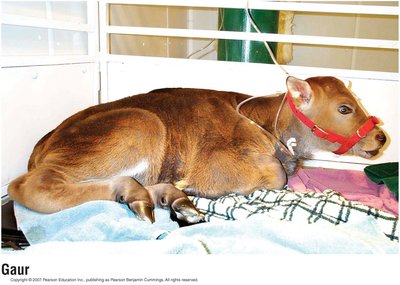
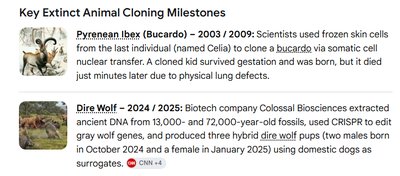
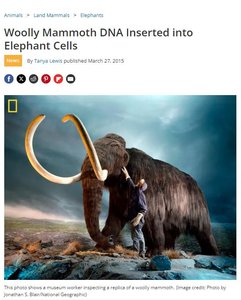
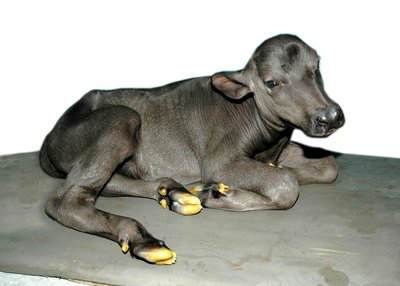
Cloning has been used to preserve endangered species and attempt to revive extinct animals. However, success rates are low and ethical concerns remain.
Cloned Bison and Buffalo: Examples of animal cloning for conservation.
Extinct Animal Cloning: Attempts to clone species like the Pyrenean Ibex and dire wolf using preserved DNA.
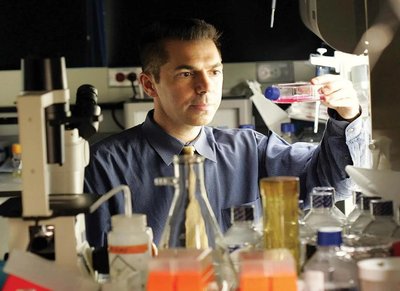
Human Cloning and Ethical Issues
Human Cloning: Science and Ethics
Human cloning is a controversial topic with scientific, ethical, and societal implications. While research has produced cloned human embryos, development often stops at early stages.
Success Rate: Extremely low, with frequent developmental failures.
Ethical Issues: Concerns about identity, premature aging, disease, and moral status.
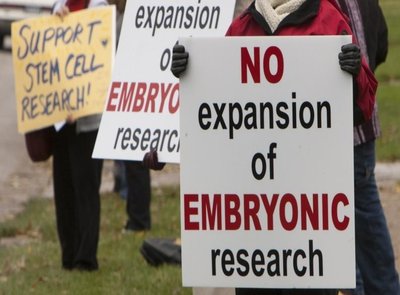
Public Debate: Ongoing discussions about the acceptability and regulation of cloning technologies.


Stem Cells: Types and Applications
Stem Cell Types
Stem cells are classified based on their origin and potential to differentiate.
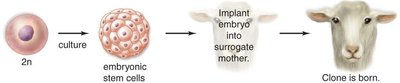
Embryonic Stem Cells: Derived from the inner cell mass of the blastocyst; pluripotent.
Adult (Tissue) Stem Cells: Found in various tissues throughout life; multipotent.
Therapeutic vs Reproductive Cloning
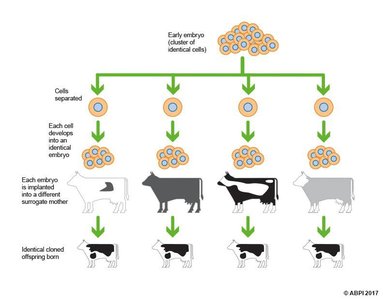
Cloning technologies are used for different purposes. Therapeutic cloning aims to produce stem cells for medical treatments, while reproductive cloning creates whole organisms.
Therapeutic Cloning: Generation of patient-specific stem cells for regenerative medicine.
Reproductive Cloning: Production of genetically identical organisms.
Induced Pluripotent Stem Cells (iPSCs)
iPSCs are mature cells reprogrammed to a pluripotent state, offering an alternative to embryonic stem cells. This technology was pioneered by Prof. Shinya Yamanaka.
iPSCs: Created by introducing specific genes into adult cells.
Applications: Disease modeling, drug testing, and regenerative therapies.
Gene (Molecular) Cloning and Genetic Engineering
Gene Cloning
Gene cloning is the process of making exact copies of a specific gene or DNA sequence using genetic engineering techniques.
Restriction Enzymes: "Molecular scissors" discovered in 1962, used to cut DNA at specific sites.
Plasmids: Circular, double-stranded DNA molecules used as vectors in gene cloning.
Transformation and Selection: Bacteria are transformed with plasmids containing antibiotic resistance genes, allowing selection of successful clones.
CRISPR/Cas9 Technology
CRISPR/Cas9 is a revolutionary genome editing tool that uses an enzyme (Cas9) and a guide RNA to target and modify specific DNA sequences.
Cas9: Enzyme that cuts DNA.
Guide RNA: Directs Cas9 to the target sequence.
Applications: Gene therapy, crop improvement, and disease research.
Reverse Transcription
Reverse transcription is the process by which RNA is converted into DNA by the enzyme RNA-dependent DNA polymerase. This is essential for cloning genes from RNA viruses and for cDNA synthesis.
Enzyme: Reverse transcriptase.
Application: Production of recombinant proteins such as insulin (Humulin).
Genetically Modified Crops
Genetic engineering is used to create crops with improved traits such as resistance to pests, tolerance to environmental stress, and enhanced nutritional value.
Process: Introduction of foreign genes into plant genomes.
Benefits: Increased yield, reduced pesticide use, and improved food security.
Summary Table: Types of Cloning
Type | Purpose | Example | Ethical Issues |
|---|---|---|---|
Reproductive Cloning | Produce whole organism | Dolly the sheep | Identity, premature aging, disease |
Therapeutic Cloning | Produce stem cells for therapy | Patient-specific stem cells | Use of embryos, consent |
Gene Cloning | Copy specific genes | Production of insulin | GMOs, patenting genes |
Key Equations and Concepts
Somatic Cell Nuclear Transfer (SCNT):
Restriction Enzyme Action:
Reverse Transcription:
CRISPR/Cas9 Editing:
Additional info: These notes expand on the original content by providing definitions, examples, and context for each topic, ensuring a comprehensive and self-contained study guide for General Biology students.
