 Back
Applications of Genetics in Human Health: Stem Cells, Gene Editing, and Disease Control
Study Guide - Smart Notes
 Tailored notes based on your materials, expanded with key definitions, examples, and context.
Genetics and Its Applications in Human Health
Introduction to Genetics
Genetics is the study of heredity and the variation of inherited characteristics. It plays a crucial role in understanding how traits are passed from one generation to the next and how genetic information can be manipulated for medical and scientific advancements. Applications of genetics span cancer research, tissue regeneration, neurobiology, fertility, and epidemiology.
Stem Cells and Tissue Regeneration
Stem Cell Technology for Skin Graft Production
Stem cells are undifferentiated cells capable of developing into various specialized cell types. Their unique ability to self-renew and differentiate makes them invaluable for regenerative medicine, including skin graft production for burn victims.
Stem Cells: Cells with the potential to become many different cell types in the body.
Skin Grafting: The process of transplanting skin or skin cells to repair damaged tissue, often using stem cells to generate new skin.
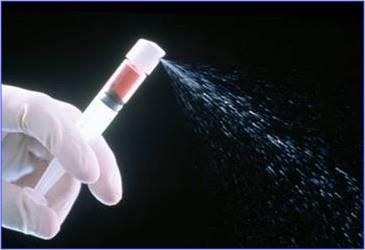
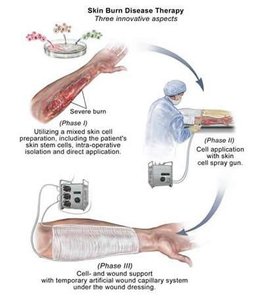
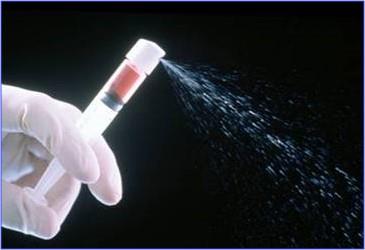
Spray-on Skin: A technique where a suspension of skin cells is sprayed onto wounds to promote rapid healing and regeneration.
3D Skin in a Dish: Laboratory-grown skin tissues used for grafting and research.
Clinical Application and Results
Stem cell-based therapies have shown remarkable results in treating severe burns and skin injuries. The process involves isolating stem cells, culturing them, and applying them to the wound site, often using spray technology.
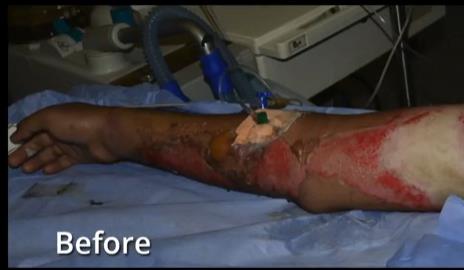
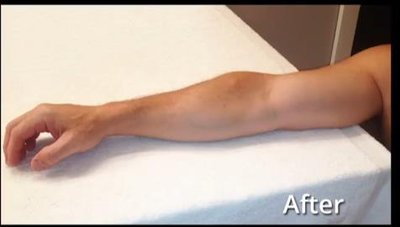
Before Treatment: Severe burns with extensive tissue damage.
After Treatment: Significant healing and restoration of normal skin appearance and function.

Mechanism of Stem Cell Action
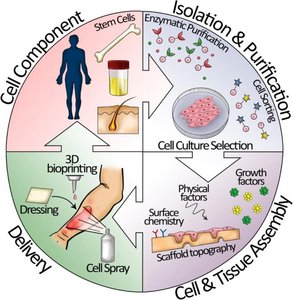
Stem cells contribute to tissue regeneration by differentiating into skin cells and promoting wound healing. The process involves several steps, including cell isolation, culture, and delivery to the wound site.
Cell Isolation and Purification: Obtaining stem cells from the patient or donor.
Cell Culture Selection: Growing and selecting the appropriate cells for therapy.
Cell and Tissue Assembly: Using bioprinting or scaffolds to organize cells into functional tissues.
Delivery: Applying cells to the wound via spray or dressing.
Genetic Engineering in Disease Control
Global Health Crisis: Mosquito-Borne Diseases
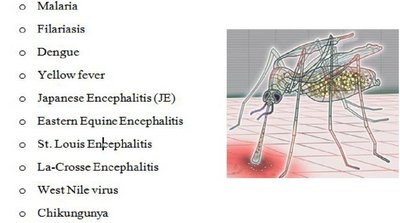
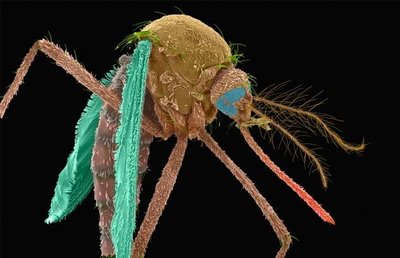
Mosquitoes are responsible for transmitting numerous deadly diseases, making them one of the most significant threats to human health worldwide.
Major Diseases: Malaria, Dengue, Yellow Fever, Japanese Encephalitis, West Nile Virus, and others.
Impact: Mosquitoes cause more human deaths annually than any other animal.
Lateral Gene Transfer Using Wolbachia Bacteria
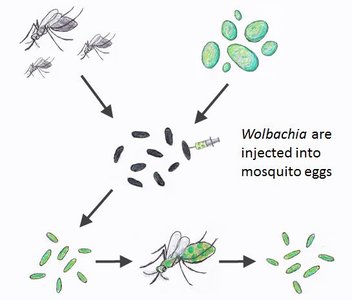
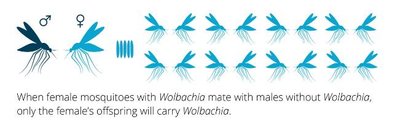
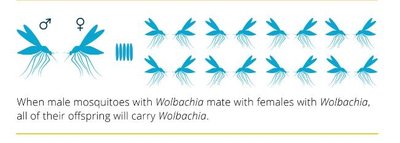
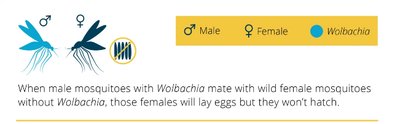
Wolbachia pipientis is a bacterial parasite that infects the ovaries of mosquitoes and other insects, allowing for the maternal transmission of engineered genes. This technology is used to control mosquito populations and reduce disease transmission.
Gene Engineering: Wolbachia can be genetically modified to carry genes that reduce mosquito fertility or spread resistance to pathogens.
Population Control: Engineered mosquitoes can pass on these traits to future generations, leading to population decline or reduced disease transmission.
Ethical and Evolutionary Considerations
The use of genetically engineered organisms in disease control raises important ethical and evolutionary questions, such as the long-term effects on ecosystems and the potential for resistance development.
Potential Issues: Evolutionary consequences, ecological balance, and public acceptance.
Regulation: Government agencies evaluate the safety and efficacy of releasing engineered organisms.
Stem Cells and Neurobiology
Studying the Brain with Stem Cells
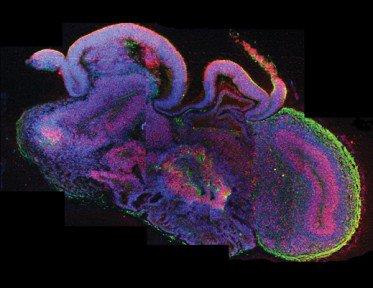
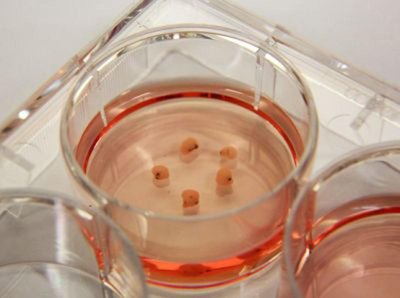
Stem cells are used to create brain organoids, or "mini-brains," in the laboratory. These organoids model human brain development and disease, allowing researchers to study genetic mutations and drug responses without invasive procedures.
Brain Organoids: Three-dimensional clusters of neural cells derived from stem cells that mimic aspects of brain structure and function.
Applications: Studying neurodevelopmental disorders, drug testing, and evolutionary comparisons.
Comparative Neurobiology: Humans vs. Neanderthals
Researchers use genetic engineering to introduce Neanderthal DNA into human stem cells, creating organoids that help compare the development and function of modern human and Neanderthal brains.
Structural Differences: Human and Neanderthal brain organoids show distinct morphological and functional properties.
Functional Differences: Modern humans exhibit fine motor control, while Neanderthals show more gross motor control.
Gene Editing and Fertility
CRISPR-Cas9 Gene Editing
CRISPR-Cas9 is a revolutionary gene-editing technology that allows for precise modifications of DNA. It has been used in personalized medicine, such as treating genetic diseases in infants.
Mechanism: The Cas9 enzyme, guided by RNA, cuts DNA at specific locations, allowing for the insertion or deletion of genetic material.
Applications: Treating inherited diseases, cancer, and other genetic disorders.
Assisted Reproductive Technologies
Advances in genetics have enabled the creation of "fatherless" or "motherless" mammals and the development of mitochondrial replacement therapy, resulting in "three-parent babies." These technologies address infertility and prevent mitochondrial diseases.
Nuclear Transfer: The nucleus from one egg or embryo is transferred to another egg with healthy mitochondria.
Mitochondrial Replacement Therapy: Prevents the transmission of mitochondrial diseases by replacing defective mitochondria with healthy ones from a donor.
Gene Therapy in Medicine
Gene Therapy for Blindness
Gene therapy involves introducing functional genes into a patient's cells to treat or cure genetic disorders. For example, the REP1 gene can be delivered to retinal cells using a viral vector to restore vision in patients with inherited blindness.
Process: The therapeutic gene is packaged into a virus, which is then injected into the retina. The gene integrates into the host cells, producing the necessary protein to restore function.
Role of Viruses: Viruses are efficient vectors for delivering genetic material into target cells due to their natural ability to infect cells.
Summary Table: Applications of Genetics in Human Health
Application | Genetic Principle | Medical Use |
|---|---|---|
Stem Cell Therapy | Cell differentiation and regeneration | Skin grafts, tissue repair |
Gene Editing (CRISPR) | Targeted DNA modification | Treating genetic diseases |
Gene Therapy | Gene replacement | Curing inherited blindness |
Genetically Engineered Mosquitoes | Lateral gene transfer | Disease vector control |
Mitochondrial Replacement | Nuclear and non-nuclear DNA inheritance | Preventing mitochondrial diseases |
Conclusion
The study and manipulation of genetic information have revolutionized medicine and biology. From regenerative therapies and disease control to advanced reproductive technologies and gene therapy, genetics provides powerful tools for improving human health and understanding the biological basis of life.
