 Back
BackBacteria and Archaea: Diversity, Structure, and Ecological Roles
Study Guide - Smart Notes
 Tailored notes based on your materials, expanded with key definitions, examples, and context.
Bacteria and Archaea: Diversity and Classification
Overview of Prokaryotes
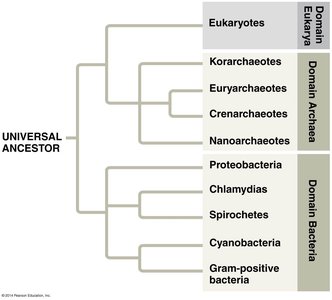
Prokaryotes, which include Bacteria and Archaea, are single-celled organisms lacking a nucleus. They are highly abundant and diverse, playing essential roles in ecosystems and human health. - Prokaryotes are classified into two domains: Bacteria and Archaea. - Both domains are single-celled and lack membrane-bound organelles. - Archaea are more closely related to Eukarya than to Bacteria, sharing several molecular features. 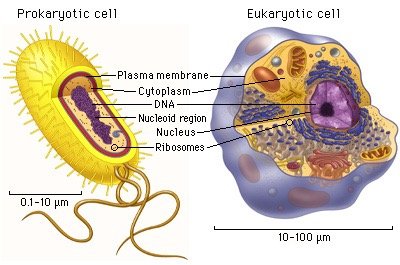
Abundance of Prokaryotes
Prokaryotes are ubiquitous, found in air, water, soil, and within living organisms. - Indoor air contains approximately 106 bacteria per cubic meter. - Municipal tap water typically contains at least 107 bacteria per liter. 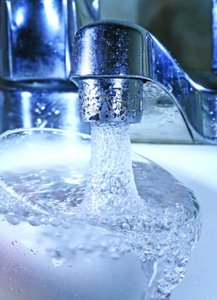
Evolutionary Relationships
Three Domains of Life
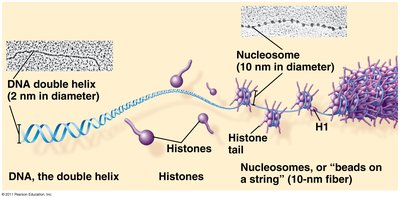
The three domains of life are Bacteria, Archaea, and Eukarya. - Archaea share many features with Eukarya, such as histones and ribosomal proteins. - Bacteria and Archaea are both prokaryotic but differ in cell wall structure and membrane chemistry. 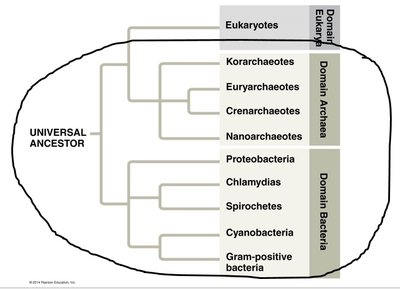
Membrane Linkages
Archaea have unique membrane lipids with ether bonds, making them more resistant to extreme conditions compared to the ester bonds found in bacterial membranes. 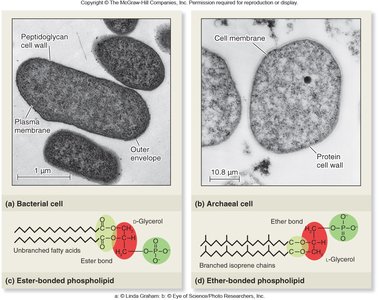
Extremophiles
Definition and Types
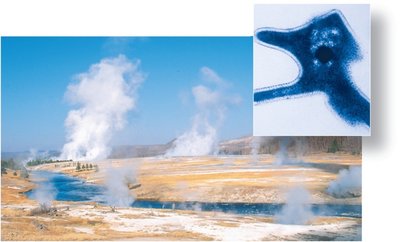
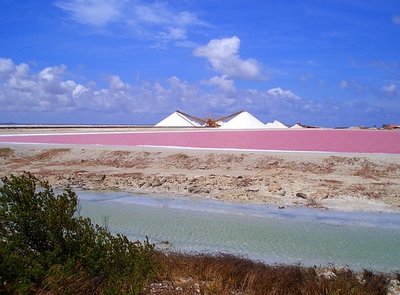
Many Archaea are extremophiles, thriving in environments with extreme temperature, salinity, or acidity. - Halophiles: Prefer high salt concentrations. - Thermophiles: Thrive in high temperatures. - Acidophiles: Live in acidic environments. 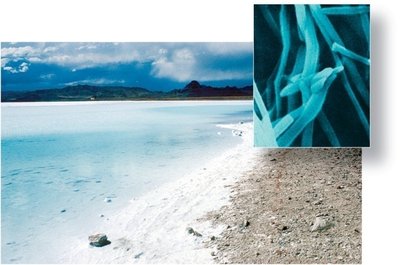
Bacterial Diversity and Ecological Roles
Major Bacterial Groups
Bacteria are highly diverse, with over 50 phyla. - Proteobacteria and Cyanobacteria are ecologically significant. - Some bacteria are extremophiles, but most prefer moderate conditions. - Many bacteria form symbiotic relationships with eukaryotes.
Cyanobacteria
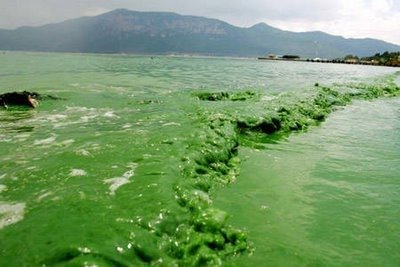
Cyanobacteria are photosynthetic bacteria that generate oxygen and play a crucial role in the evolution of eukaryotic algae and plants. - They are the only prokaryotes that produce oxygen via photosynthesis. - Cyanobacteria are important in producing organic carbon and fixing nitrogen. 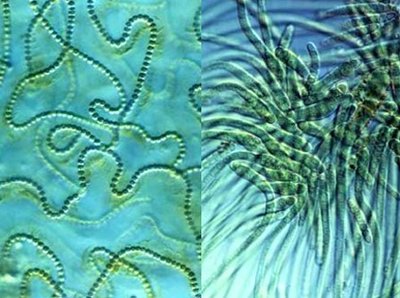
Nitrogen Fixation
Bacteria make nitrogen available to plants through nitrogen fixation, converting atmospheric N2 to NH4 using the enzyme nitrogenase. - Nitrifying bacteria convert NH3/NH4 to NO2 and then to NO3. - These processes are critical for plant growth and ammonia detoxification. 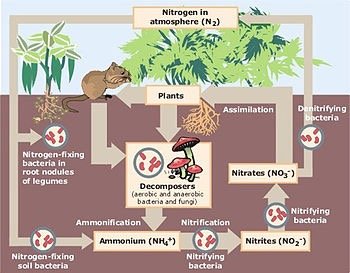
Horizontal Gene Transfer
Mechanisms
Horizontal gene transfer is common in prokaryotes and is a major driver of evolution. - Transformation: Uptake of DNA from the environment. - Conjugation: Direct transfer of DNA between cells via mating. - Transduction: Transfer of DNA via viral vectors.
Cell Structure and Classification
Cell Shape and Arrangement
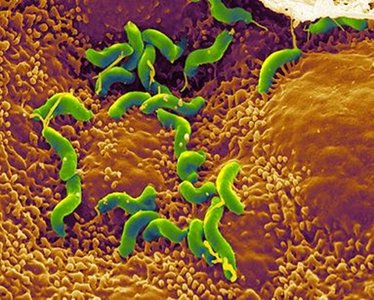
Prokaryotes exhibit a few major shapes: - Cocci: Spherical - Bacilli: Rod-shaped - Vibrios: Comma-shaped - Spirilla and Spirochaetes: Spiral-shaped (rigid and flexible, respectively)
Cell Wall Structure
Most prokaryotes have a rigid cell wall outside the plasma membrane. - Gram-positive bacteria: Thick peptidoglycan wall, stains purple, sensitive to penicillin. - Gram-negative bacteria: Thin peptidoglycan wall, resistant to penicillin.
Reproduction and Nutritional Types
Binary Fission
Prokaryotes reproduce by binary fission, a rapid process that allows for quick population growth.
Nutritional Classification
Prokaryotes are classified by their nutritional type: - Photoautotrophs: Use light and CO2 as energy and carbon sources. - Photoheterotrophs: Use light for energy, organic compounds for carbon. - Chemoautotrophs: Use inorganic chemicals for energy, CO2 for carbon. - Chemoheterotrophs: Use organic compounds for both energy and carbon.
Oxygen Response
Prokaryotes also differ in their response to oxygen: - Obligate aerobes: Require oxygen. - Facultative aerobes: Can use oxygen or not. - Obligate anaerobes: Cannot tolerate oxygen. - Aerotolerant anaerobes: Do not use oxygen but are not poisoned by it.
Ecological Roles
Global Carbon Cycle
Prokaryotes are essential in the global carbon cycle as producers and decomposers. - Cyanobacteria synthesize organic compounds used by other organisms. - Decomposers break down dead organisms, releasing nutrients for reuse.
Symbiotic Relationships
Prokaryotes form various symbiotic relationships: - Mutualism: Both partners benefit. - Commensalism: One benefits, the other is unaffected. - Parasitism: One benefits at the expense of the other. - Syntrophy: Bacteria supply each other with essential nutrients. - Consortia: Larger communities of nutrient exchangers.
Human Microbiome
Bacteria are ten times more abundant than human cells in our bodies, providing essential metabolic services.
Enterotype | Dominant Genus | Associated Diet | Ecological Meaning |
|---|---|---|---|
Enterotype 1 | Bacteroides | High fat/protein | Bile-tolerant, protein and fat metabolism |
Enterotype 2 | Prevotella | High-fiber, plant-based | Carbohydrate and fiber fermentation |
Enterotype 3 | Ruminococcus | Mixed diets | Mucin and complex carbohydrate degradation |
Pathogenic Bacteria
Some bacteria are pathogens, causing diseases such as cholera, leprosy, tetanus, pneumonia, and tooth decay.
Environmental Applications
Bacteria in Bioremediation
Prokaryotes can help solve environmental problems, such as breaking down oil after spills and degrading plastics.
Key Terms and Definitions
Halophile: Organism that thrives in high salt concentrations.
Extremophile: Organism that lives in extreme environmental conditions.
Thermophile: Organism that thrives at high temperatures.
Methanogen: Archaea that produce methane as a metabolic byproduct.
Decomposer: Organism that breaks down dead material for nutrient recycling.
Nitrogen fixation: Conversion of atmospheric nitrogen (N2) to ammonia (NH4).
Aerobic: Requires oxygen.
Anaerobic: Does not require oxygen.
Photoautotroph: Uses light and CO2 for energy and carbon.
Photoheterotroph: Uses light for energy, organic compounds for carbon.
Chemoautotroph: Uses inorganic chemicals for energy, CO2 for carbon.
Chemoheterotroph: Uses organic compounds for energy and carbon.
Transformation: Uptake of DNA from the environment.
Transduction: DNA transfer via viral vector.
Conjugation: Direct DNA transfer between cells.
Mutualism: Both partners benefit.
Commensalism: One benefits, the other is unaffected.
Parasitism: One benefits at the expense of the other.
Additional info: Academic context was added to clarify definitions, ecological roles, and mechanisms of gene transfer, as well as to expand on the diversity and classification of prokaryotes.
