 Back
Bacteria and Archaea: Diversity, Structure, and Ecological Roles
Study Guide - Smart Notes
 Tailored notes based on your materials, expanded with key definitions, examples, and context.
Ch. 26 – Bacteria and Archaea
Overview of Prokaryotes
Prokaryotes, which include Bacteria and Archaea, are the most abundant and diverse organisms on Earth. They inhabit a wide range of environments, including extreme habitats, and play essential roles in ecosystems and human health.
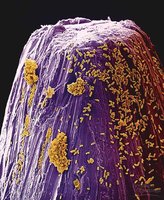
Abundance: There are more prokaryotic cells in and on the human body than human cells themselves.
Distribution: Prokaryotes are found everywhere, from skin and digestive tract to extreme environments like hot springs and salt ponds.
Three Domains of Life
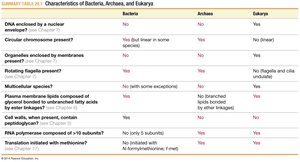
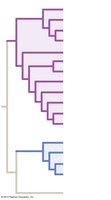
Life is classified into three domains: Bacteria, Archaea, and Eukarya. Bacteria and Archaea are prokaryotic, lacking a nucleus and membrane-bound organelles, while Eukarya are eukaryotic.
Bacteria: Prokaryotic, unicellular, diverse in metabolism and structure.
Archaea: Prokaryotic, often found in extreme environments, unique membrane lipids.
Eukarya: Eukaryotic, includes plants, animals, fungi, and protists.
26.1 – Why Study Prokaryotes?
Ecological and Medical Importance
Prokaryotes are studied for their abundance, ability to inhabit extreme environments, ecosystem services, mutualistic and parasitic relationships, medical relevance, and bioremediation capabilities.
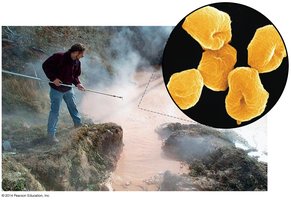
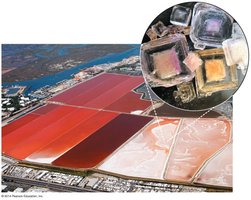
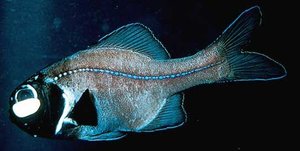
Extreme Habitats: Some prokaryotes thrive in high temperatures, salinity, or anaerobic conditions.
Ecosystem Services: Decomposition, nutrient cycling, and symbiotic relationships.
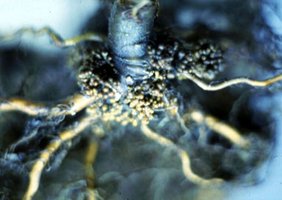
Mutualisms: Both organisms benefit, such as bacteria in root nodules fixing nitrogen for plants.
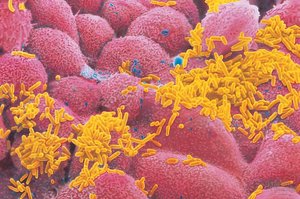
Parasitisms: Some bacteria cause diseases in humans and other organisms.
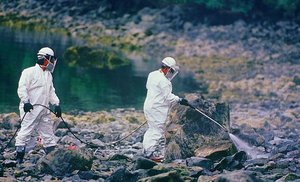
Bioremediation: Use of bacteria to remove pollutants from environments.

26.2 – How Prokaryotes are Studied
Methods of Investigation
Prokaryotes are studied using enrichment cultures and environmental sequencing. These methods help identify their phylogenetic relationships and metabolic capabilities.
Enrichment Cultures: Growing prokaryotes under specific conditions to isolate particular types.
Environmental Sequencing: Analyzing genetic material from environmental samples to determine phylogeny, often using ribosomal RNA sequences.
26.3 – Themes in the Diversification of Prokaryotes
Morphological Diversity
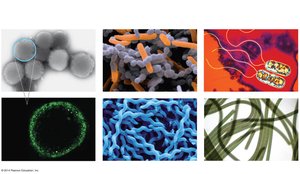
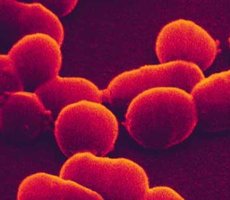
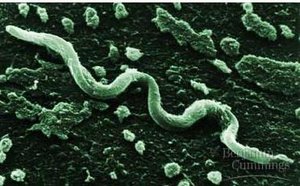
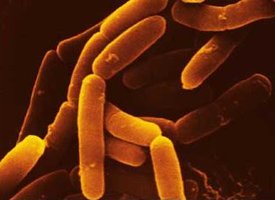
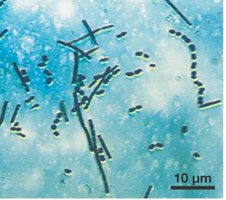
Prokaryotes exhibit a wide range of sizes, shapes, and motility mechanisms. The three main forms are cocci (spherical), bacilli (rod-shaped), and spirochetes (helical).
Cocci: Spherical cells, often found in clusters.
Bacilli: Rod-shaped cells, may form chains.
Spirochetes: Helical cells, often motile.
Motility: Some bacteria swim using flagella, others glide or are nonmotile.
Cell Wall Structure and Gram Staining
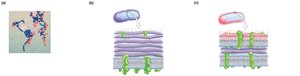
Bacterial cell walls contain peptidoglycan and are classified as Gram-positive or Gram-negative based on their structure and staining properties.
Gram-positive: Thick peptidoglycan layer, stains purple, susceptible to antibiotics like penicillin.
Gram-negative: Thin peptidoglycan layer and an outer membrane, stains pink, often resistant to antibiotics.
Metabolic Diversity
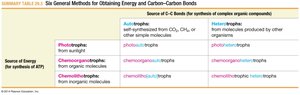
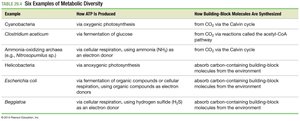
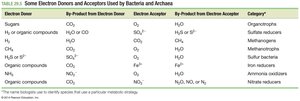
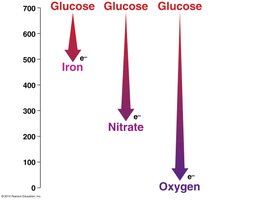
Prokaryotes display remarkable metabolic diversity, using various sources of energy and carbon. They may be phototrophs, chemotrophs, autotrophs, or heterotrophs.
Obligate aerobes: Require oxygen for growth.
Facultative anaerobes: Can grow with or without oxygen.
Obligate anaerobes: Cannot tolerate oxygen, use fermentation or alternative electron acceptors.
26.4 – Phylogenetic Diversity
Major Bacterial and Archaeal Lineages
Prokaryotes are classified into several major lineages, each with unique characteristics and ecological roles.
Firmicutes: Gram-positive, cocci or bacilli, includes pathogens and beneficial bacteria.
Spirochetes: Helical, common in aquatic habitats, includes disease-causing species.
Actinobacteria: Gram-positive, decomposers and nitrogen fixers, includes tuberculosis and leprosy pathogens.
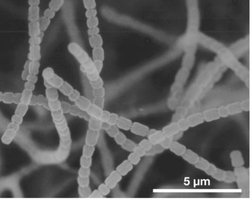
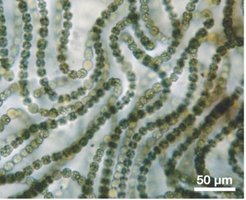
Cyanobacteria: Oxygenic photosynthesizers, found in chains or colonies.
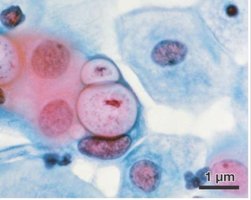
Chlamydiae: Spherical, tiny, obligate parasites in animal cells.
Proteobacteria: Diverse group, includes many pathogens and symbionts.
Diseases Caused by Bacteria
Many bacteria are pathogenic and cause diseases in humans. The table below summarizes some important bacterial diseases, their lineages, and affected tissues.
Lineage | Species | Tissues Affected | Disease |
|---|---|---|---|
Firmicutes | Clostridium tetani | Wounds, nervous system | Tetanus |
Firmicutes | Staphylococcus aureus | Skin, respiratory tract | Acne, boils, impetigo, toxic shock syndrome |
Firmicutes | Streptococcus pyogenes | Respiratory tract | Pneumonia, strep throat, scarlet fever |
Spirochetes | Borrelia burgdorferi | Skin and nerves | Lyme disease |
Spirochetes | Treponema pallidum | Urogenital canal | Syphilis |
Actinobacteria | Mycobacterium tuberculosis | Respiratory tract | Tuberculosis |
Actinobacteria | Mycobacterium leprae | Skin, nerves | Leprosy |
Chlamydiae | Chlamydia trachomatis | Urogenital canal | Chlamydia, genital tract infection |
γ-Proteobacteria | Helicobacter pylori | Stomach | Ulcers |
β-Proteobacteria | Neisseria gonorrhoeae | Urogenital canal | Gonorrhea |
γ-Proteobacteria | Pseudomonas aeruginosa | Ear, eye, nervous system | Ear infections, meningitis |
γ-Proteobacteria | Escherichia coli | Urogenital canal, urinary tract | Infections of eye, ear, urinary tract, lungs |
γ-Proteobacteria | Salmonella enterica | Digestive system | Food poisoning |
γ-Proteobacteria | Yersinia pestis | Lymph and blood | Plague |
Summary
Bacteria and Archaea are fundamental to life on Earth, exhibiting vast diversity in morphology, metabolism, and ecological roles. Their study is crucial for understanding ecosystems, human health, and biotechnological applications.
