 Back
BackBacteria and Archaea: Structure, Function, and Ecological Roles
Study Guide - Smart Notes
 Tailored notes based on your materials, expanded with key definitions, examples, and context.
Bacteria and Archaea
Introduction to Prokaryotes
Prokaryotes, which include the domains Bacteria and Archaea, are among the most abundant and diverse organisms on Earth. They thrive in a wide range of environments, including extreme conditions that are inhospitable to most other life forms. Despite their microscopic size, prokaryotes play essential roles in ecological processes and have significant impacts on human life.
Prokaryotes are unicellular organisms lacking a nucleus and membrane-bound organelles.
They are found in environments ranging from highly saline lakes to acidic hot springs.
Prokaryotes are divided into two domains: Bacteria and Archaea.
They are structurally simple but functionally diverse and highly adaptable.
Earth’s first organisms were likely prokaryotes.
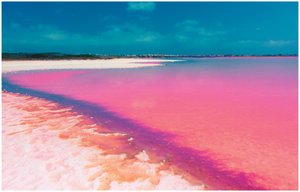
Prokaryotic Cell Structure and Morphology
Prokaryotic cells exhibit a variety of shapes and structural adaptations that contribute to their success in diverse environments.
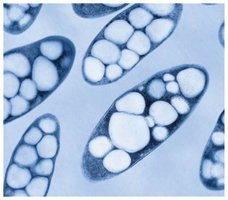
Most prokaryotes are 0.5–5 µm in size, much smaller than typical eukaryotic cells (10–100 µm).
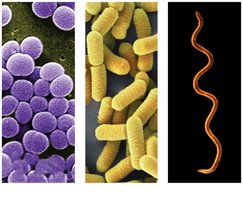
The three most common shapes are:
Cocci (spherical)
Bacilli (rod-shaped)
Spirilla (spiral-shaped)
Cell-Surface Structures
The cell wall is a critical feature of nearly all prokaryotic cells, providing shape, protection, and preventing lysis in hypotonic environments.
Bacterial cell walls contain peptidoglycan, a polymer of sugars and amino acids.
Archaeal cell walls lack peptidoglycan and instead contain polysaccharides and proteins.
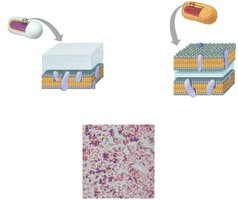
The Gram stain is used to classify bacteria based on cell wall composition:
Gram-positive bacteria: Thick peptidoglycan layer, stain purple.
Gram-negative bacteria: Thin peptidoglycan layer and an outer membrane, stain pink/red; often more resistant to antibiotics.
Many prokaryotes are covered by a capsule (polysaccharide or protein layer) that aids in adherence and protection.
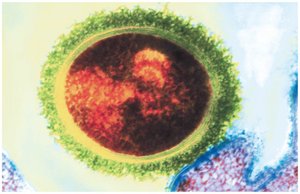
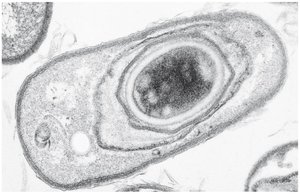
Some form endospores, dormant structures that can survive harsh conditions.
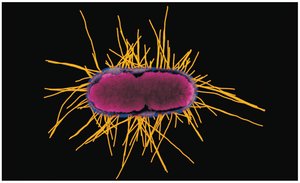
Fimbriae and pili are surface appendages used for attachment and DNA exchange, respectively.
Motility
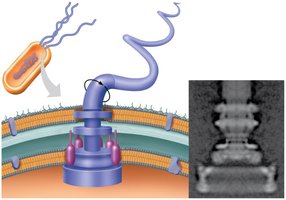
Many prokaryotes are motile and can move toward or away from stimuli (taxis). The most common structure for movement is the flagellum.
Chemotaxis: Movement in response to chemical stimuli.
Flagella in bacteria, archaea, and eukaryotes are structurally different and evolved independently (analogous structures).
Internal Organization and DNA
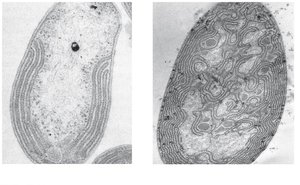
Prokaryotic cells lack membrane-bound organelles but may have specialized infoldings of the plasma membrane for metabolic functions.
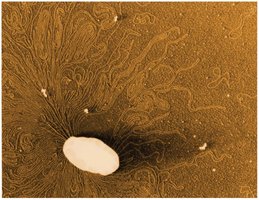
The genome is typically a single circular DNA molecule located in the nucleoid region.
Additional small rings of DNA called plasmids may be present.
Prokaryotic ribosomes are smaller than those of eukaryotes, allowing selective targeting by antibiotics.
Reproduction and Genetic Diversity
Prokaryotes reproduce rapidly by binary fission, but genetic diversity arises through mutation and genetic recombination.
Binary fission: Asexual reproduction producing genetically identical offspring.
Genetic diversity is increased by:
Rapid reproduction and accumulation of mutations
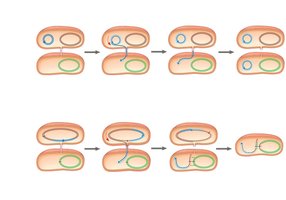
Genetic recombination via transformation, transduction, and conjugation
Horizontal gene transfer: Movement of genes between different species
Transformation and Transduction
Transformation: Uptake of foreign DNA from the environment.
Transduction: Transfer of DNA between bacteria by bacteriophages (viruses that infect bacteria).
Conjugation and Plasmids
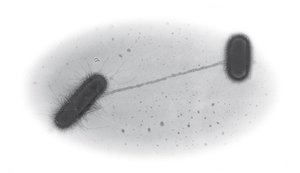
Conjugation: Direct transfer of DNA between two prokaryotic cells via a pilus.
The F factor (fertility factor) is required for pilus formation and DNA transfer.
Cells with the F plasmid (F+) are donors; those without (F−) are recipients.
R plasmids carry genes for antibiotic resistance, contributing to the spread of resistance in bacterial populations.
Diverse Nutritional and Metabolic Adaptations
Prokaryotes display remarkable metabolic diversity, classified by their energy and carbon sources.
Phototrophs: Obtain energy from light.
Chemotrophs: Obtain energy from chemicals.
Autotrophs: Use CO2 as a carbon source.
Heterotrophs: Require organic compounds for carbon.
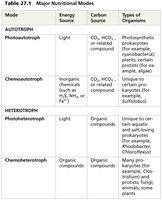
The four major nutritional modes are:
Photoautotrophy
Chemoautotrophy
Photoheterotrophy
Chemoheterotrophy
Mode | Energy Source | Carbon Source | Types of Organisms |
|---|---|---|---|
Photoautotroph | Light | CO2 or related compound | Photosynthetic prokaryotes (e.g., cyanobacteria), plants, certain protists (e.g., algae) |
Chemoautotroph | Inorganic chemicals (e.g., H2S, NH3, Fe2+) | CO2 or related compound | Unique to certain prokaryotes (e.g., Sulfolobus) |
Photoheterotroph | Light | Organic compounds | Unique to certain aquatic and salt-loving prokaryotes (e.g., Rhodobacter, Chloroflexus) |
Chemoheterotroph | Organic compounds | Organic compounds | Many prokaryotes (e.g., Clostridium), protists, fungi, animals, some plants |
The Role of Oxygen in Metabolism
Prokaryotic metabolism varies with respect to oxygen requirements.
Obligate aerobes: Require O2 for cellular respiration.
Obligate anaerobes: Poisoned by O2; use fermentation or anaerobic respiration.
Facultative anaerobes: Can survive with or without O2.
Nitrogen Metabolism and Metabolic Cooperation
Nitrogen is essential for the synthesis of amino acids and nucleic acids. Some prokaryotes can fix atmospheric nitrogen (N2) into ammonia (NH3), a process called nitrogen fixation. Metabolic cooperation allows prokaryotes to exploit resources more efficiently.
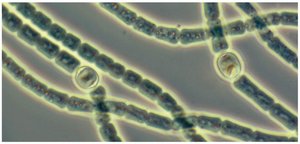
In Anabaena, photosynthetic cells and nitrogen-fixing cells (heterocysts) exchange metabolic products.
Ecological and Human Importance of Prokaryotes
Chemical Recycling
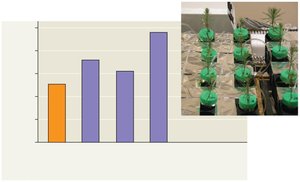
Prokaryotes are essential for recycling chemical elements in ecosystems. They decompose organic matter, releasing nutrients back into the environment, and can increase or decrease the availability of nutrients for plants.
Ecological Interactions
Prokaryotes engage in various symbiotic relationships with other organisms:
Mutualism: Both partners benefit.
Commensalism: One benefits, the other is unaffected.
Parasitism: One benefits at the expense of the other; disease-causing parasites are called pathogens.
Prokaryotes and Human Health
Prokaryotes have both beneficial and harmful effects on humans.
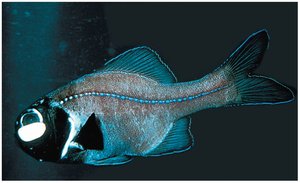
Mutualistic bacteria in the human gut aid in digestion.
Pathogenic bacteria cause diseases, often by releasing exotoxins (secreted proteins) or endotoxins (released from cell walls upon death).
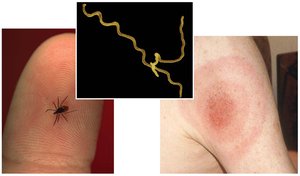
Some diseases, such as Lyme disease, are transmitted by vectors like ticks.
Prokaryotes in Research and Technology
Prokaryotes are invaluable tools in biotechnology and environmental science.
Used in gene cloning and production of transgenic organisms.
Employed in the synthesis of vitamins, antibiotics, hormones, and biodegradable plastics.
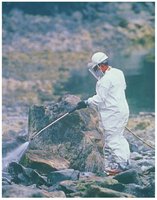
Key agents in bioremediation, the use of organisms to remove pollutants from the environment.
Engineered to produce biofuels such as ethanol from waste biomass.

Sample Questions for Review
Prokaryotes lack some parts found in eukaryotic cells, including which item?
a nuclear membrane
DNA
one or more chromosomes
a plasma membrane
all of the above
In what type of environment would you find extreme halophiles?
ice
hot springs
very salty water
anoxic swamps
a rain forest
If you were given a microscope slide with a sample from a habitat rich in bacteria and nitrogen, you would expect to see
peptidoglycan.
heterocysts.
filaments.
halophiles.
biofilms.
While preparing a lab, you remove a culture of prokaryotes from their incubator and place them, still alive, on the bench at 25ºC. All die within 2 hours. The culture probably contained which prokaryotes?
extreme halophiles
proteobacteria
cyanobacteria
methanogens
extreme thermophiles
Without prokaryotes,
much decomposition in soil would stop.
PCR would be much more difficult to do.
plants would have fewer soil nutrients to absorb.
there would be less methane in the world.
all of the above would occur.
