 Back
BackBasic Principles of Animal Form and Function
Study Guide - Smart Notes
 Tailored notes based on your materials, expanded with key definitions, examples, and context.
Basic Principles of Animal Form and Function
Diverse Forms, Common Challenges
Animals display a wide variety of anatomical forms, yet all must solve similar physiological challenges. The study of anatomy (biological structure) often provides clues to physiology (biological function), as form and function are closely linked. The body plan of an animal is determined by its genome, which is the product of evolutionary history. Convergent evolution can lead to similar adaptations in unrelated species facing similar environmental challenges.
Size and shape affect how animals interact with their environment.
The genome programs the body plan, reflecting evolutionary adaptation.
Convergent evolution results in similar traits in distantly related organisms.
Exchange with the environment is limited by surface area to volume ratio.
Exchange with the Environment
All animals must exchange materials with their environment, such as oxygen, nutrients, and waste products. The efficiency of this exchange depends on the surface area available relative to the volume of the organism. Flat animals maximize surface area, while more complex organisms develop specialized structures for exchange.
Surface area to volume ratio is critical for efficient exchange.
Complex organisms have specialized tissues and organs for exchange.
Hierarchical Organization of Body Plans
Animal bodies are organized hierarchically: cells form tissues, tissues form organs, and organs form organ systems. This organization allows animals to maintain stable internal environments, especially in variable external conditions.
Cells are the basic unit of life.
Tissues are groups of similar cells performing a specific function.
Organs are structures composed of multiple tissue types.
Organ systems coordinate complex functions.
Main Types of Animal Tissues
There are four main types of animal tissues: epithelial, connective, muscle, and nervous. Each type has distinct functions and characteristics.
Epithelial tissue covers the body and lines organs and cavities. Functions include protection, secretion, absorption, and exchange.
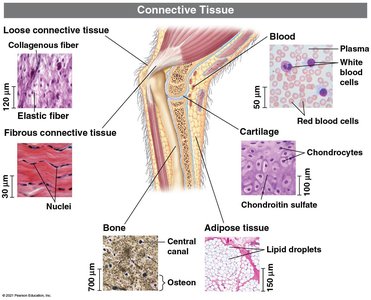
Connective tissue supports and binds other tissues and organs. Contains fibers (collagen, elastic, reticular) and cells (fibroblasts, macrophages).
Muscle tissue is responsible for movement through contraction.
Nervous tissue receives, processes, and transmits information.
Epithelial Tissue
Epithelial tissue forms protective barriers, lines surfaces, and is involved in secretion, absorption, and exchange. Examples include skin, esophagus lining, kidney tubules, and mucous membranes.
Ciliated cells help move substances.
Protective barrier against pathogens.
Secretion and absorption in organs like kidneys and intestines.
Connective Tissue
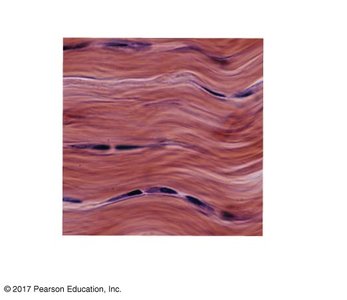
Connective tissue holds tissues and organs together and provides structural support. It contains three types of fibers: collagen (strength), elastic (flexibility), and reticular (support). Cells include fibroblasts (produce fibers) and macrophages (immune defense).
Loose connective tissue, fibrous connective tissue, blood, cartilage, bone, and adipose tissue are all types of connective tissue.
Muscle Tissue
Muscle tissue is responsible for movement. It can be voluntary (skeletal muscle) or involuntary (smooth and cardiac muscle). Muscle contraction enables locomotion, pumping of blood, and other vital functions.
Nervous Tissue
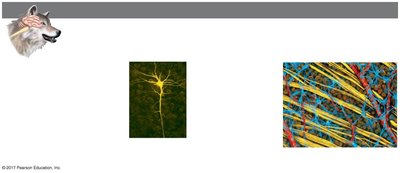
Nervous tissue consists of neurons and glial cells. Neurons transmit electrical signals, while glia support and protect neurons. Nervous tissue is essential for sensing stimuli, processing information, and coordinating responses.
Neuron structure: dendrites, cell body, axon.
Glia provide support and insulation.
Coordination and Control
Endocrine and Nervous Systems
Animals coordinate and control responses to stimuli using two major systems: the endocrine system and the nervous system. The endocrine system uses hormones for widespread, long-term regulation, while the nervous system provides rapid, targeted responses.
Endocrine system: hormones regulate growth, metabolism, and development.
Nervous system: transmits information quickly via electrical impulses.
Feedback Control and Homeostasis
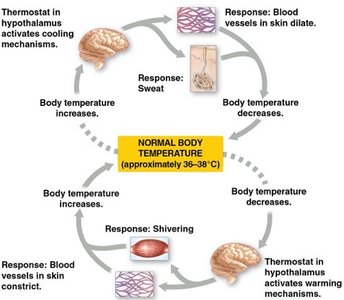
Homeostasis is the maintenance of a stable internal environment despite external fluctuations. Feedback mechanisms, especially negative feedback, are used to regulate physiological processes.
Negative feedback: a change in a variable triggers a response that counteracts the change.
Example: regulation of body temperature.
Thermoregulation
Endothermy vs. Ectothermy
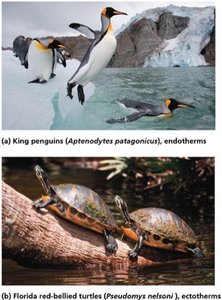
Animals regulate their internal temperature through thermoregulation. Endotherms generate heat internally (e.g., mammals, birds), while ectotherms rely on external sources (e.g., reptiles, amphibians).
Endothermic animals maintain constant body temperature.
Ectothermic animals have body temperature that fluctuates with the environment.
Heat Regulation Mechanisms
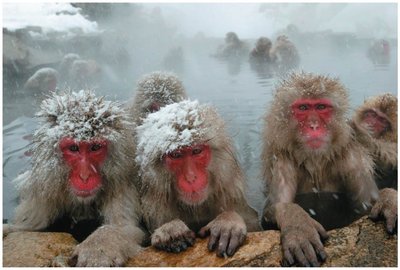
Animals use various mechanisms to regulate heat, including insulation, circulatory adaptations, evaporative cooling, behavioral responses, and metabolic adjustments.
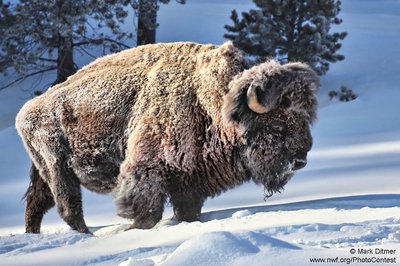
Insulation: skin, feathers, fur, blubber.
Circulatory adaptations: vasodilation, vasoconstriction, countercurrent exchange.
Evaporative cooling: sweating, panting.
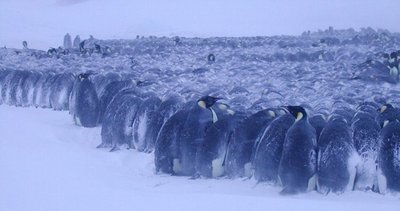
Behavioral responses: seeking shade, huddling.
Metabolic heat production: shivering, non-shivering thermogenesis.
Fundamental Challenges and Evolutionary Adaptations
Common Problems
All animals must obtain oxygen, nourish themselves, fight off infection, and reproduce. Plants face similar challenges, and both groups have evolved analogous adaptations.
Exchange of gases and nutrients.
Defense against pathogens.
Reproduction and development.
Environmental Response
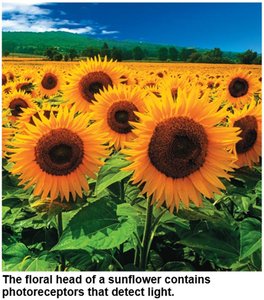
Both plants and animals have evolved photoreceptors to detect light, enabling environmental response and adaptation.
Growth and Regulation
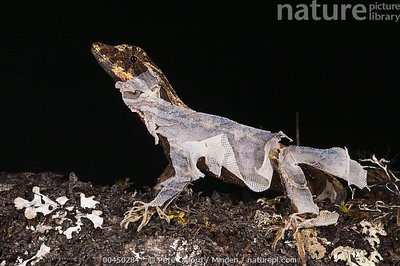
Hormones regulate growth and development in both plants and animals. In plants, hormones control growth patterns, flowering, and fruit development. In animals, hormones regulate developmental events such as molting.
Absorption
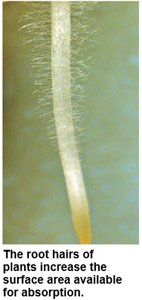
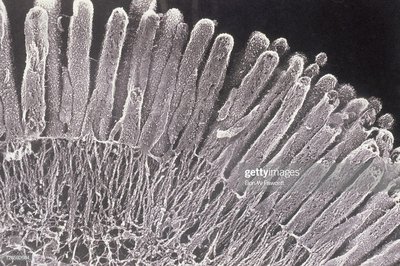
Both plant root hairs and animal intestinal villi increase surface area for absorption, enhancing nutrient uptake.
Root hairs in plants maximize water and mineral absorption.
Villi in vertebrate intestines maximize nutrient absorption.
Transport
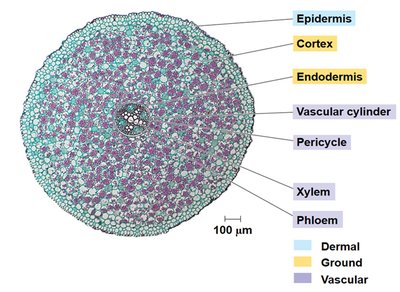
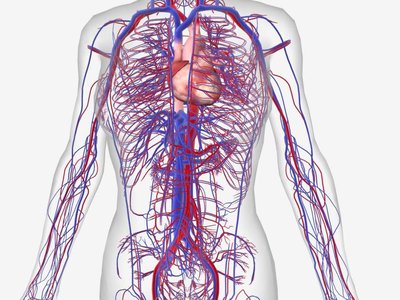
Plants transport water, minerals, and sugars through xylem and phloem, while animals use blood vessels (arteries and veins) to transport nutrients and gases.
Reproduction
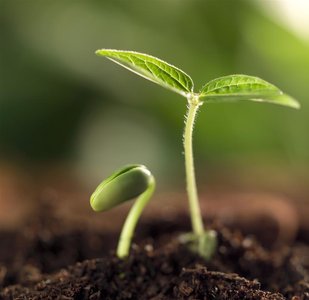
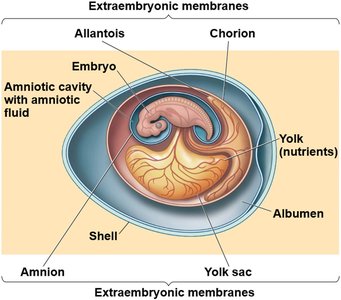
Both plants and animals have evolved protective structures for reproduction. The amniotic egg in animals contains membranes that protect the embryo and provide nutrition, while seeds in plants consist of an embryo and nutrients surrounded by a protective coat.
Summary Table: Comparison of Plant and Animal Adaptations
Challenge | Animal Adaptation | Plant Adaptation |
|---|---|---|
Gas Exchange | Lungs, gills | Stomata |
Absorption | Intestinal villi | Root hairs |
Transport | Blood vessels | Xylem & phloem |
Reproduction | Amniotic egg | Seed coat |
Growth Regulation | Hormones (e.g., molting) | Hormones (e.g., auxins) |
Environmental Response | Eyes, photoreceptors | Photoreceptors |
Additional info: Some content was inferred and expanded for completeness and clarity, including definitions, examples, and comparisons.
