 Back
BackBehavioral Ecology: How Organisms Interact with Their Environment
Study Guide - Smart Notes
 Tailored notes based on your materials, expanded with key definitions, examples, and context.
Behavioral Ecology
Introduction to Behavioral Ecology
Behavioral ecology is the study of how organisms live and interact with their environment, focusing on the adaptive significance of behavior. This field examines how morphology (form and structure) and behavior contribute to survival and reproductive success in various ecological contexts.
Morphology and Adaptation
Definition and Importance
Morphology is the study of the forms and structures of living organisms. The physical traits of organisms are often adaptations to their environment, shaped by evolutionary processes to enhance survival and reproduction.
Adaptation: A heritable trait that increases an organism's fitness in a particular environment.
Adaptations arise through natural selection, where advantageous traits become more common in a population over generations.
Animal Behavior: Responses to Stimuli
Types of Stimuli and Responses
Behavior is the way an organism responds to internal or external stimuli. Responses can include movement, lack of movement, or changes in movement patterns.
Innate behavior: Inherited, present in nearly all members of a species, does not require learning.
Learned behavior: Acquired through experience and environmental interaction.
Proximate causes: Immediate physiological mechanisms underlying behavior.
Ultimate causes: Evolutionary origins and adaptive value of behavior.
Scientific Explanation of Animal Behavior
Avoiding Anthropomorphism
In scientific writing, it is important to avoid anthropomorphism—the attribution of human traits, emotions, or intentions to non-human organisms. Instead, explanations should be based on observable evidence and evolutionary reasoning.
Types of Behavior
Movement Behaviors
Movement is a fundamental behavior influenced by morphology. Different structures such as fins, wings, and legs determine how organisms move in their environment.
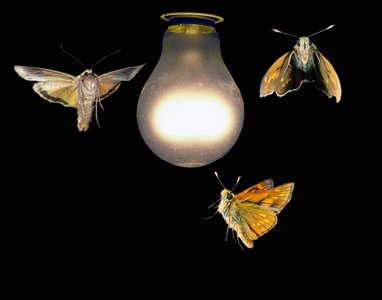
Taxis: Directed movement toward (positive) or away from (negative) a stimulus (e.g., positive phototaxis—movement toward light).
Kinesis: Random, undirected movement in response to a stimulus; can increase or decrease activity.
Maintenance Behaviors
Maintenance behaviors are essential for health and survival.
Resting/sleeping: Conserves energy and supports physiological health.
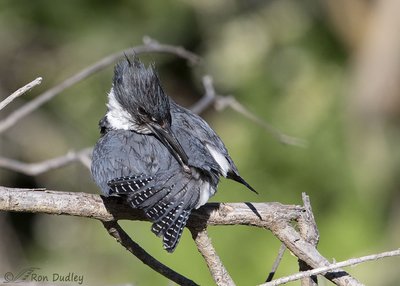
Grooming/preening: Removes dirt and ectoparasites, maintains body condition.
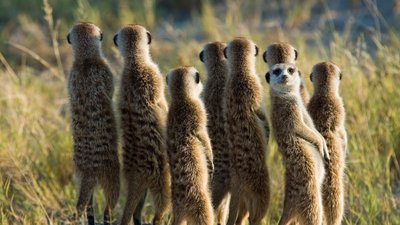
Vigilance: Staying alert to potential dangers in the environment.
Social Behaviors: Agonistic and Reproductive
Social behaviors include interactions related to conflict and reproduction.
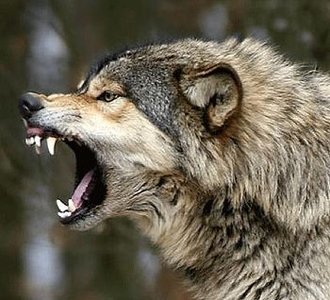
Agonistic behavior: Conflict-related actions, such as aggression (threatening, attacking) or submission (withdrawing, appeasing).
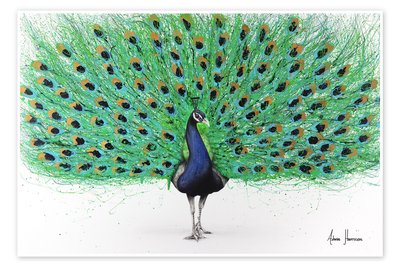
Reproductive behavior: Finding mates, courtship, mating, and sometimes parental care. These behaviors are often species-specific.
Feeding and Nutrient Acquisition
Feeding Strategies
Organisms require food for survival and must also avoid becoming food for others. Feeding strategies vary widely:
Herbivores: Consume autotrophs (plants).
Parasites: Live in or on a host, obtaining nutrients without immediately killing the host.
Predators: Capture and kill prey.
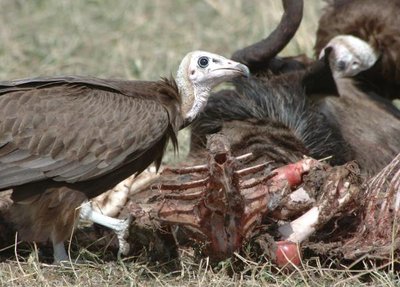
Scavengers: Consume dead organisms (carrion).
Specific feeding behaviors include filter feeding, grazing, searching, ambushing, stalking, attacking, and scavenging.

Prey: Avoiding Predation
Anti-Predator Strategies
Prey species have evolved various strategies to avoid predation:
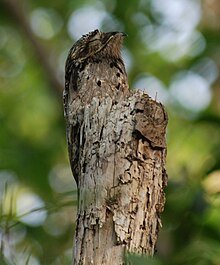
Camouflage: Blending in with the environment to avoid detection.
Outrunning predators: Speed and agility to escape.
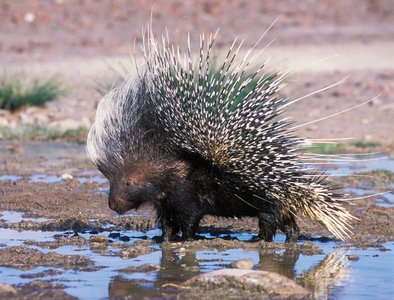
Defensive mechanisms: Physical defenses (e.g., quills), chemical defenses (toxins), or seeking refuge.
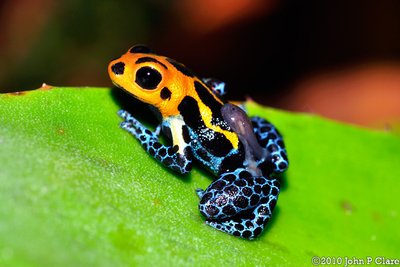
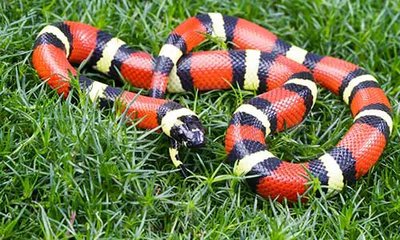
Aposematic coloration: Warning colors indicating toxicity or bad taste.
Batesian mimicry: Resembling a dangerous or unpalatable species.
Coevolution: The Arms Race
Predator-Prey Coevolution
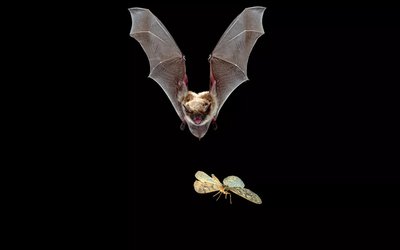
Coevolution refers to the reciprocal evolutionary changes between interacting species, such as predators and prey. As prey evolve better defenses, predators evolve more effective hunting strategies, leading to an ongoing evolutionary "arms race." For example, some moths have evolved the ability to jam bat echolocation signals.
Scales of Ecology
From Individuals to Ecosystems
Ecology is the study of interactions among organisms and between organisms and their environment. These interactions occur at multiple scales:
Individuals: Interactions within and between species (e.g., competition, predation, mutualism, parasitism).
Communities: Groups of interacting species in a geographic area.
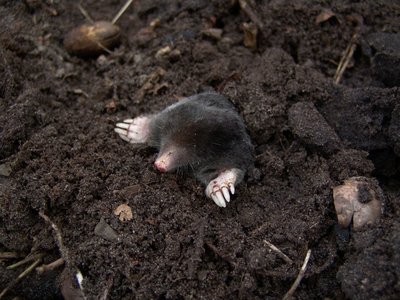
Ecosystems: Communities plus their physical (abiotic) environment, including factors like sunlight, temperature, and precipitation.
Energy Flow Through Ecosystems
Trophic Levels and Food Webs
Organisms in ecosystems are organized into trophic levels based on their source of energy:
Producers (autotrophs): Usually photosynthetic organisms (e.g., plants) that produce their own food.
Primary consumers (herbivores): Eat producers.
Secondary and tertiary consumers (carnivores): Eat other consumers.
Detritivores: Obtain energy from decomposing organic matter.
A food web is a network of interconnected food chains, illustrating the flow of energy and nutrients through an ecosystem. Arrows in food webs indicate the direction of energy transfer.
Niche: An Organism’s Role in the Environment
Definition and Importance
An organism’s niche is the sum of all the conditions, resources, and interactions required for its survival and reproduction. Each species occupies a unique niche, which reduces competition and allows for coexistence within ecosystems.
Application: Observing Organisms in the Field
Field Observation Assignment
Students are encouraged to observe live animals in a zoo setting, focusing on how morphology, behavior, and ecology contribute to their survival. Observations should include a variety of taxa (mammals, birds, reptiles) and consider both aquatic and terrestrial environments.
