 Back
Bilateria and the Invasion of Land by Arthropods: Animal Body Plans, Clades, and Evolution
Study Guide - Smart Notes
 Tailored notes based on your materials, expanded with key definitions, examples, and context.
Bilateria and Animal Body Plans
Overview of Animal Characteristics
Animals are a diverse group of multicellular, eukaryotic organisms that exhibit a wide range of body plans, morphologies, and life histories. Understanding their basic characteristics is essential for studying their evolution and ecological roles.
Multicellularity: Animals are composed of multiple cells that differentiate into specialized tissues.
Nutrition: Most animals are heterotrophic, obtaining nutrients by ingesting other organisms.
Reproduction: Sexual reproduction is common, though some groups also reproduce asexually.
Variation in Morphology: Body plans vary in symmetry, tissue organization, and presence of body cavities.
Symmetry in Animals
Symmetry refers to the arrangement of body structures relative to a central axis. It is a key feature in animal classification and evolution.
Radial Symmetry: Body parts are arranged around a central axis. Common in sessile or slow-moving animals (e.g., cnidarians).
Bilateral Symmetry: Body has distinct left and right sides, typically associated with active movement and cephalization (development of a head region with sensory organs).
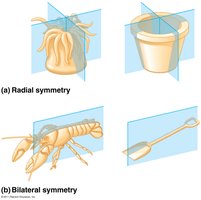
Body Axes Terminology
Anterior: Front end (often the head).
Posterior: Rear end (often the tail).
Dorsal: Back or upper side.
Ventral: Belly or lower side.
Tissues and Germ Layers
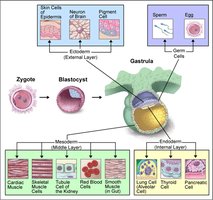
Tissues are collections of specialized cells that perform specific functions. Most animals develop tissues from embryonic germ layers.
Ectoderm: Forms the outer covering (epidermis) and nervous system.
Mesoderm: Forms muscles, dermis, blood vessels, bones, and other organs.
Endoderm: Forms the lining of the digestive and respiratory tracts, pancreas, and liver.
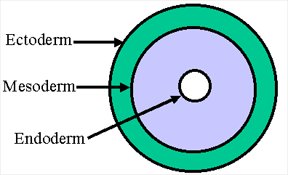
Diploblastic vs. Triploblastic Organization
Animals can be classified based on the number of germ layers present during development.
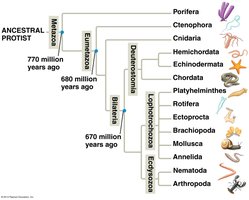
Diploblastic: Two germ layers (ectoderm and endoderm). Found in cnidarians and ctenophores.
Triploblastic: Three germ layers (ectoderm, mesoderm, endoderm). Characteristic of bilaterians.
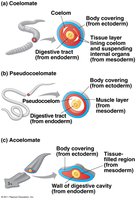
Body Cavities in Animals
Types of Body Cavities
Body cavities are fluid-filled spaces that house internal organs and contribute to animal complexity.
Coelomates: Have a true coelom, a body cavity completely lined by mesoderm.
Pseudocoelomates: Have a body cavity lined by mesoderm and endoderm.
Acoelomates: Lack a body cavity between the digestive tract and outer body wall.
Animal Phylogeny and Major Clades
Phylogeny of Animals
Animal phylogeny is based on morphological and molecular data, revealing evolutionary relationships among major groups.
Monophyletic Group: Animals share a common ancestor.
Basal Animals: Sponges lack true tissues and are considered basal.
Major Clades: Bilateria is divided into Lophotrochozoa, Ecdysozoa, and Deuterostomia.
Bilateria
Bilateria includes the vast majority of animal species, characterized by bilateral symmetry and triploblastic development. Most are invertebrates.
Three Major Clades: Lophotrochozoa, Ecdysozoa, Deuterostomia.
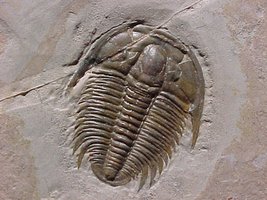
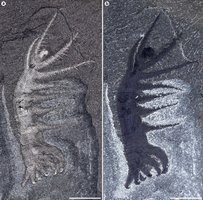
Evolutionary Significance: Bilaterians dominated the Cambrian oceans.
Lophotrochozoa
Overview
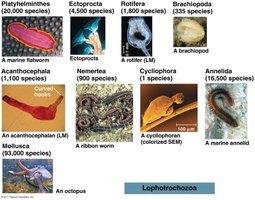
Lophotrochozoa is the most diverse clade of bilateral animals, containing 18 phyla. Members are united by molecular data and some share a lophophore (feeding structure) or trochophore larva.
Flatworms (Platyhelminthes)
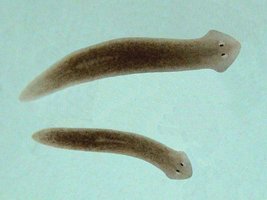
Flatworms are simple, unsegmented, soft-bodied invertebrates found in aquatic and damp terrestrial habitats.
Free-living: Predators and scavengers (e.g., planarians).
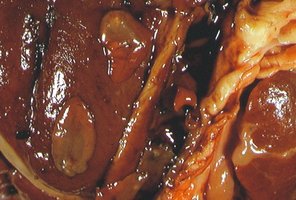
Parasitic: Trematodes (flukes) and cestodes (tapeworms).

Molluscs
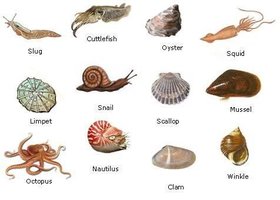
Molluscs are the second most diverse animal phylum, including marine, freshwater, and terrestrial species. They are soft-bodied and often secrete a hard shell made of calcium carbonate.
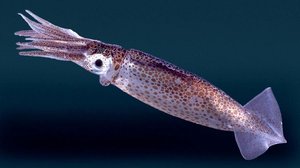
Examples: Snails, clams, squids, octopuses.
Shell: Reduced or lost in some groups (e.g., slugs, squids, octopuses).
Annelids
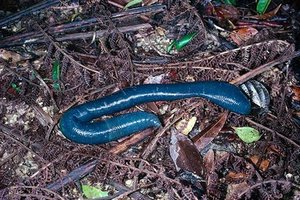
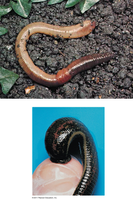
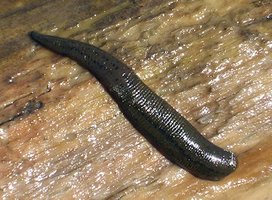
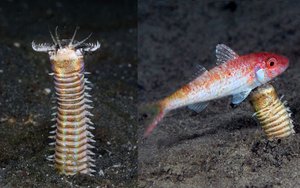
Annelids are segmented worms found in marine, freshwater, and terrestrial environments. They are coelomates with a true body cavity.
Examples: Earthworms, leeches, polychaetes.
Ecdysozoa
Overview
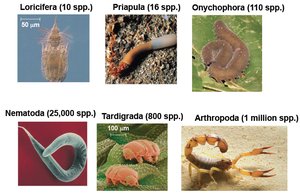
Ecdysozoa is a major clade of animals characterized by a tough external cuticle that is periodically shed through a process called ecdysis (molting).
Eight Phyla: Includes Nematoda and Arthropoda, among others.
Ecological Dominance: Contains more known species than all other animal, protist, fungus, and plant groups combined.
Nematodes (Roundworms)
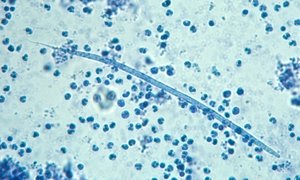
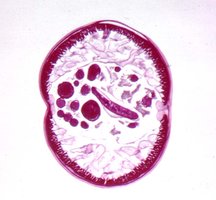
Nematodes are cylindrical, pseudocoelomate worms with a body cavity not completely lined by mesoderm. They are abundant in many habitats and play important ecological roles.
Body Structure: Cylindrical, fluid-filled body provides rigidity.
Examples: Free-living and parasitic species (e.g., canine heartworm).
Arthropods: The Most Successful Animal Phylum
General Characteristics
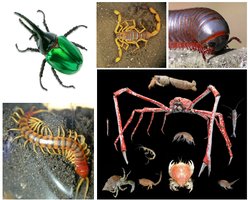
Arthropods are the most species-rich animal phylum, with over a million described species. They are found in nearly all environments and are characterized by their segmented bodies, hard exoskeletons, and jointed appendages.
Exoskeleton: Composed of protein and chitin, provides support, protection, and muscle attachment points.
Molting: Arthropods must shed their exoskeleton to grow, a process called ecdysis.
Specialized Appendages: Adapted for walking, feeding, sensory reception, reproduction, and defense.
Evolution and Body Plan
Arthropods originated during the Cambrian explosion. Over time, their body segments became reduced and appendages specialized, increasing efficiency through division of labor among body regions.
Hox Genes: Homeotic genes that regulate the development and identity of body segments. Changes in Hox gene regulation contributed to arthropod diversity.
Arthropod Subphyla
Chelicerates: Spiders, scorpions, horseshoe crabs.
Myriapods: Centipedes and millipedes.
Hexapods: Insects.
Crustaceans: Crabs, lobsters, shrimp.
Hexapods: Insects
Characteristics and Evolution
Insects are the most diverse group of arthropods, occupying terrestrial, freshwater, and aerial habitats. They are rare in marine environments. Their evolutionary success is linked to the development of flight and associations with flowering plants.
Flight: Insects are the only invertebrates capable of powered flight, with one or two pairs of wings on the thorax.
Ecological Roles: Herbivores, predators, parasites, decomposers, pollinators, and pests.
Insect Life Cycles
Insects exhibit two main types of metamorphosis:
Incomplete Metamorphosis: Juveniles (nymphs) resemble adults but lack fully developed wings and reproductive organs (e.g., grasshoppers, true bugs).
Complete Metamorphosis: Larvae are morphologically distinct from adults and undergo a pupal stage (e.g., flies, butterflies, beetles, ants, bees).
Importance of Insects
Pollination: Many insects are vital pollinators for flowering plants.
Food Source: Insects are a major food source for many animals and humans.
Economic Impact: Some insects destroy crops or transmit diseases.
