 Back
BIO 2040 General Biology: Physiology – Principles of Form and Function
Study Guide - Smart Notes
 Tailored notes based on your materials, expanded with key definitions, examples, and context.
Basic Principles of Form & Function
Introduction to General Biology and Physiology
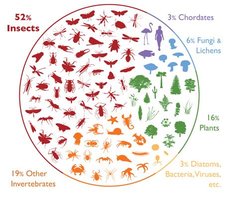
General Biology courses, such as BIO 2040, focus on understanding how organisms "work" by exploring the relationship between form and function. The course covers the physiology of multicellular organisms, emphasizing comparative approaches between animals and plants. Key learning objectives include identifying characteristics of living organisms, distinguishing animals and plants, and understanding hierarchical body organization and homeostasis.
Unifying Themes in Biology
Biology is structured around five unifying themes, as outlined in Campbell Biology:
Organization: Biological systems are organized hierarchically, from molecules to the biosphere.
Information: Genetic information guides development and function.
Energy and Matter: Organisms acquire, transform, and utilize energy and matter.
Interactions: Organisms interact with each other and their environment.
Evolution: Evolution explains the diversity and adaptation of life.
These themes are essential for understanding physiology, as they explain how multicellular organisms maintain life processes.
Properties of Living Things
Defining Characteristics of Animals and Plants
Living organisms share several defining characteristics, but animals and plants are distinguished by unique features:
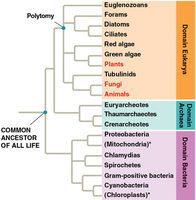
Animals: Eukaryotic, multicellular, heterotrophic, lack cell walls.
Plants: Eukaryotic, multicellular, autotrophic, possess cell walls.
Comparative physiology examines similarities and differences in how animals and plants solve fundamental challenges, such as nutrition, absorption, and internal transport.
Examples of Properties of Life
Absorption: Both root hairs in plants and villi in vertebrate intestines increase surface area for absorption.
Environmental Response: Photoreceptors in sunflower floral heads and insect eyes detect light.
Reproduction: Seeds store food for seedlings; milk nourishes juvenile mammals.
Growth: Hormones regulate growth and development in both plants and animals.
Nutritional Mode: Leaves capture light for photosynthesis; animals use specialized adaptations for hunting.
Body Plans and Hierarchical Organization
Animal Body Plans
Multicellularity presents challenges for exchange with the environment. Animals have evolved specialized systems for exchanging gases, nutrients, and wastes. The generalized body plan includes:
Digestive System: Processes food and absorbs nutrients.
Circulatory System: Transports nutrients, gases, and wastes.
Respiratory System: Facilitates gas exchange.
Excretory System: Removes metabolic wastes and regulates osmotic balance.
Plant Body Plans
Plants have specialized structures for nutrient acquisition and transport. Roots absorb water and minerals, while leaves capture light and perform photosynthesis. The hierarchical organization includes:
Dermal Tissue: Protective outer layer.
Vascular Tissue: Transports water, nutrients, and sugars.
Ground Tissue: Functions in storage, support, and photosynthesis.
Animal Body Organization
Organ Systems
Animals possess multiple organ systems, each with specialized functions. Campbell Biology identifies 11 major organ systems:
Organ System | Main Function |
|---|---|
Digestive | Food processing (ingestion, digestion, absorption, elimination) |
Skeletal | Support, protection, movement |
Muscular | Locomotion and movement |
Excretory | Waste disposal, osmotic regulation |
Nervous | Coordination, response to stimuli |
Circulatory | Transport of substances |
Respiratory | Gas exchange |
Endocrine | Hormonal regulation |
Immune | Defense against pathogens |
Integumentary | Protection, temperature regulation |
Reproductive | Production of offspring |
Major Tissue Types
Animal bodies are composed of four primary tissue types:
Epithelial Tissue: Covers surfaces and lines cavities; functions in protection, absorption, and secretion.
Connective Tissue: Supports and binds other tissues; includes bone, cartilage, blood, and adipose tissue.
Muscle Tissue: Enables movement; includes skeletal, cardiac, and smooth muscle.
Nervous Tissue: Conducts electrical impulses; includes neurons and glial cells.
Homeostasis
Concept and Importance
Homeostasis is the maintenance of stable internal conditions in the face of external changes. It is a key concept in physiology, ensuring optimal function and survival. The general model involves:
Sensor: Detects changes in the environment.
Control Center: Processes information and initiates response.
Effector: Carries out the response to restore balance.
Example: Thermoregulation in animals involves sensors (temperature receptors), control centers (hypothalamus), and effectors (sweat glands, blood vessels).
Scientific Method
Application in Biology
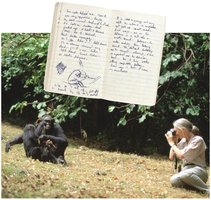
The scientific method is fundamental to biological inquiry. It involves observation, hypothesis formation, prediction, experimentation, and analysis. This process allows biologists to test ideas and build knowledge about living systems.
Growth Mindset and Learning Strategies
Effective Study Approaches
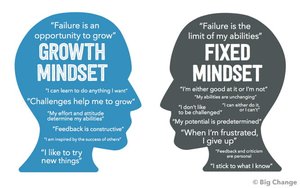
Research shows that learning outcomes improve with a growth mindset, active recall, interleaved practice, and calibration by objective instruments or mentors. Students are encouraged to adopt these strategies for success in biology courses.
Summary Table: Comparative Physiology of Animals and Plants
Property | Animals | Plants |
|---|---|---|
Absorption | Villi in intestines | Root hairs |
Environmental Response | Eyes, nervous system | Photoreceptors in floral heads |
Reproduction | Milk for juveniles | Seeds with food reserves |
Growth | Hormones regulate development | Hormones regulate growth, flowering |
Nutritional Mode | Heterotrophic | Autotrophic (photosynthesis) |
Conclusion
Understanding the principles of form and function, the hierarchical organization of living systems, and the comparative physiology of animals and plants is foundational for General Biology. Mastery of these concepts prepares students for advanced study in physiology and related fields.
