 Back
BIO201 Final Exam Review: Core Concepts in Introductory Biology
Study Guide - Smart Notes
 Tailored notes based on your materials, expanded with key definitions, examples, and context.
Lecture 2: The Process of Science and Life's Organization
Scientific Inquiry and Characteristics of Life
Science is a systematic process of inquiry that relies on observation, experimentation, and evidence-based reasoning to answer questions about the natural world. All living things share certain characteristics that distinguish them from non-living matter.
Science as Inquiry: Involves forming hypotheses, conducting experiments, and drawing conclusions.
Characteristics of Life: Order, response to stimuli, reproduction, adaptation, growth and development, regulation (homeostasis), and energy processing.
Levels of Biological Organization: Molecule → Organelle → Cell → Tissue → Organ → Organ System → Organism → Population → Community → Ecosystem → Biosphere.
Three Domains of Life: Bacteria, Archaea (both prokaryotic), and Eukarya (eukaryotic).
Example: Bacteria and Archaea are prokaryotic domains, meaning their cells lack a nucleus.
Lectures 3 and 4: Evolution, Chemistry, and Water
Evolution and the Chemical Basis of Life
The theory of evolution unifies all life, explaining the diversity and relatedness of organisms. Life is based on chemical principles, including atomic structure and bonding.
Atomic Structure: Atoms consist of protons, neutrons, and electrons. Atomic number = number of protons; atomic mass = protons + neutrons; valence = electrons in the outer shell.
Chemical Bonds: Covalent (strongest), ionic, and hydrogen (weakest). Polar covalent bonds have unequal sharing of electrons; nonpolar have equal sharing.
Water's Properties: Water's polarity allows hydrogen bonding, leading to cohesion, adhesion, high specific heat, and solvent abilities essential for life.
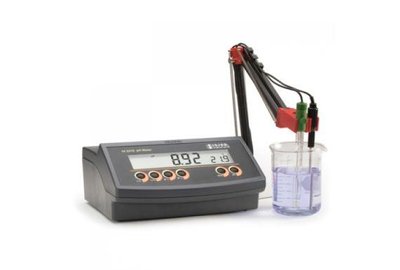
pH Scale: Measures hydrogen ion concentration; pH < 7 is acidic, pH = 7 is neutral, pH > 7 is basic.
Example: A pH meter reading of 8.92 indicates a basic solution.
Lectures 5 and 6: Carbon and Macromolecules
Organic Molecules and Biological Macromolecules
Carbon's tetravalence allows it to form diverse organic molecules, which are the basis of life's macromolecules: carbohydrates, lipids, proteins, and nucleic acids.
Carbohydrates: Monomers (monosaccharides) and polymers (polysaccharides) serve as energy sources and structural materials.
Lipids: Include triglycerides (energy storage), phospholipids (membranes), and steroids (signaling).
Nucleic Acids: DNA and RNA are polymers of nucleotides; DNA stores genetic information, RNA is involved in protein synthesis.
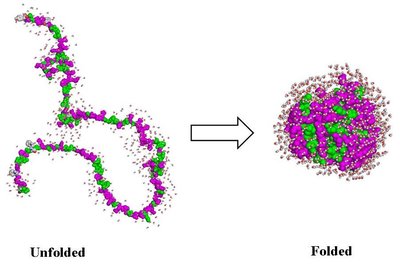
Proteins: Made of amino acids; their 3D structure is determined by side chain chemistry and interactions such as hydrogen bonds, ionic bonds, hydrophobic interactions, and van der Waals forces.
Example: Protein folding is driven by various interactions, but phosphodiester bonds are not involved in folding (they link nucleic acids).
Lecture 7: Cell Structure and Function
Cell Theory and Cellular Components
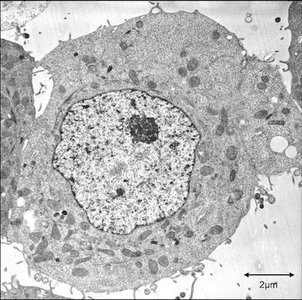
All living organisms are composed of cells, which are the basic units of life. Cells can be studied using light and electron microscopy.
Cell Theory: All organisms are made of cells; cells are the basic unit of structure and function; all cells arise from pre-existing cells.
Eukaryotic vs. Prokaryotic Cells: Eukaryotes have membrane-bound organelles and a nucleus; prokaryotes do not.
Endomembrane System: Includes the nuclear envelope, endoplasmic reticulum, Golgi apparatus, lysosomes, and vesicles.
Mitochondria vs. Chloroplasts: Both have double membranes and their own DNA; mitochondria perform cellular respiration, chloroplasts conduct photosynthesis.
Cytoskeleton: Microtubules, microfilaments, and intermediate filaments provide structure and facilitate movement.
Lecture 8: Membrane Structure and Function
Membrane Dynamics and Transport
Cell membranes are composed of a phospholipid bilayer with embedded proteins, described by the fluid mosaic model. Membrane fluidity is influenced by cholesterol and fatty acid saturation.
Phospholipid Arrangement: Hydrophilic heads face outward, hydrophobic tails inward.
Glycosylation: Addition of carbohydrates to proteins/lipids, important for cell recognition.
Transport Mechanisms: Passive diffusion (no energy), facilitated diffusion (via proteins, no energy), active transport (requires energy).
Osmosis: Movement of water across membranes; hypertonic solutions cause cells to shrink, hypotonic cause swelling.
Example: Small, nonpolar molecules like caffeine enter cells by simple diffusion.
Lectures 9 and 10: Metabolism and Enzymes
Energy Transformations and Enzyme Function
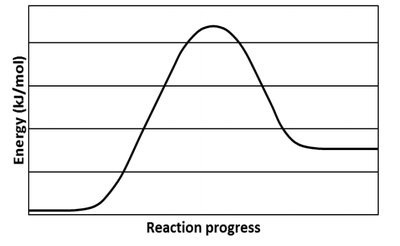
Cells transform energy through metabolic pathways, governed by the laws of thermodynamics. Enzymes catalyze biochemical reactions by lowering activation energy.
Kinetic vs. Potential Energy: Kinetic is energy of motion; potential is stored energy.
Thermodynamics: First law (energy conservation), second law (entropy increases).
Endergonic vs. Exergonic Reactions: Endergonic require energy input; exergonic release energy.
ATP: Powers cellular work via hydrolysis.
Enzyme Activity: Affected by temperature, pH, and inhibitors (competitive vs. noncompetitive).
Catabolic vs. Anabolic Pathways: Catabolic break down molecules; anabolic build them up.
Lectures 11 and 12: Cellular Respiration and Fermentation
Harvesting Chemical Energy
Cellular respiration is a series of redox reactions that convert glucose into ATP. Fermentation is an anaerobic alternative for energy production.
Overall Reaction:
Stages: Glycolysis, pyruvate oxidation, citric acid cycle, oxidative phosphorylation.
Electron Carriers: NADH and FADH2 transport electrons to the electron transport chain.
ATP Synthase: Uses proton gradient to synthesize ATP.
Aerobic vs. Fermentation: Aerobic uses oxygen; fermentation does not and produces less ATP.
Example: Fermentation occurs in an airtight container to exclude oxygen.

Lectures 13 and 14: Photosynthesis
Capturing Light Energy
Photosynthesis converts light energy into chemical energy, sustaining the biosphere. It occurs in chloroplasts and involves light-dependent and light-independent reactions.
Overall Reaction:
Light Reactions: Require light, produce ATP and NADPH.
Calvin Cycle: Uses ATP and NADPH to fix CO2 into sugars.
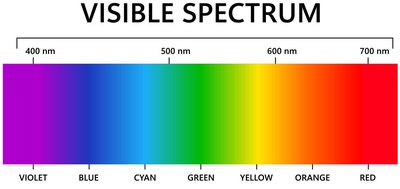
Pigments: Absorb specific wavelengths; energy is inversely related to wavelength (shorter wavelength = higher energy).
Example: Purple light (shorter wavelength) has higher energy than red light.
Lectures 15 and 16: Cell Cycle, Mitosis, and Meiosis
Cell Division and Genetic Variation
Cell division is essential for growth, repair, and reproduction. Mitosis produces identical cells; meiosis generates genetic diversity in gametes.
Cell Cycle: G1, S, G2, and M phases; checkpoints ensure fidelity.
Mitosis: Prophase, metaphase, anaphase, telophase; spindle apparatus segregates chromosomes.
Meiosis: Two divisions; crossing over, independent assortment, and random fertilization increase variation.
Haploid vs. Diploid: Haploid (n) cells have one set of chromosomes; diploid (2n) have two.
Lectures 17 and 18: Mendelian Genetics and Chromosomal Inheritance
Patterns of Inheritance
Mendel's experiments established the laws of segregation and independent assortment. Some inheritance patterns deviate from Mendel's laws, such as sex-linked traits.
Monohybrid and Dihybrid Crosses: Reveal dominant/recessive relationships and independent assortment.
Sex-linked Genes: Located on X or Y chromosomes; X-linked recessive traits are more common in males.
Non-Mendelian Inheritance: Includes incomplete dominance, codominance, and polygenic traits.
Lecture 19: DNA Structure and Replication
Molecular Basis of Inheritance
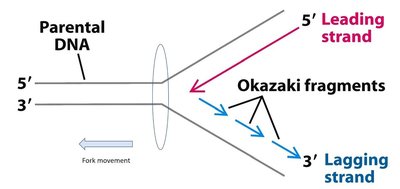
DNA is a double helix composed of nucleotide subunits. Replication is semi-conservative, involving several enzymes and producing leading and lagging strands.
DNA Structure: Double helix with complementary base pairing (A-T, G-C).
Replication Models: Semi-conservative (each new DNA has one old and one new strand).
Key Enzymes: Helicase (unwinds), primase (lays primer), DNA polymerase (synthesizes), ligase (joins fragments).
Leading vs. Lagging Strand: Leading is continuous; lagging is discontinuous (Okazaki fragments).
Telomerase: Extends ends of linear chromosomes.
Lecture 20: Gene Expression
From DNA to Protein
The central dogma describes the flow of genetic information: DNA → RNA → Protein. Gene expression involves transcription and translation, with multiple types of RNA and regulatory steps.
Transcription: DNA is transcribed into mRNA.
RNA Processing (Eukaryotes): Capping, polyadenylation, and splicing.
Translation: mRNA is decoded by ribosomes with the help of tRNA and rRNA to build proteins.
Genetic Code: Triplet codons specify amino acids.
Mutations: Silent (no effect), missense (amino acid change), nonsense (stop codon).
Germ Line vs. Somatic Mutations: Only germ line mutations are heritable.
Exam Preparation Tips
Review learning goals and practice questions for each lecture.
Understand key concepts, not just memorization.
Get adequate rest and nutrition before the exam.
Read each question carefully during the test.
