 Back
BackBiodiversity and Conservation Biology: Concepts, Threats, and Strategies
Study Guide - Smart Notes
 Tailored notes based on your materials, expanded with key definitions, examples, and context.
Biodiversity and Conservation Biology
Introduction to Biodiversity and Conservation Biology
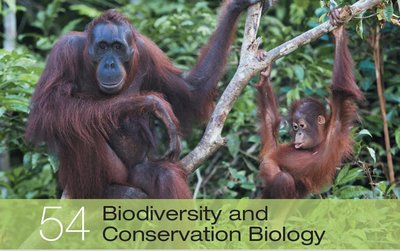
Biodiversity refers to the variety of life on Earth, encompassing genetic, species, and ecosystem diversity. Conservation biology is the scientific study of the preservation, protection, and restoration of biodiversity. The rapid growth of the human population and increased resource consumption are causing unprecedented threats to global biodiversity.
Levels of Biodiversity
Genetic Diversity: The total genetic information contained within all individuals of a population or species. It is measured as the number and relative frequency of all alleles present in a group. High genetic diversity increases a population's ability to adapt to environmental changes.
Species Diversity: The variety of life-forms on Earth. It includes:
Species richness: The count of how many species are present in a defined area.
Species evenness: The relative abundance of each species present.
Ecosystem Diversity: The variety of biotic communities in a region, along with abiotic components such as soil, water, and nutrients. It reflects the diversity of ecological processes and physical conditions in a region.
Biodiversity is dynamic—it has been changing since life on Earth began.
How Many Species Are Living Today?
The exact number of species on Earth is unknown, with estimates ranging from 5 to 100 million. Many species, especially invertebrates and microorganisms, remain undescribed.
Geographic Patterns of Biodiversity
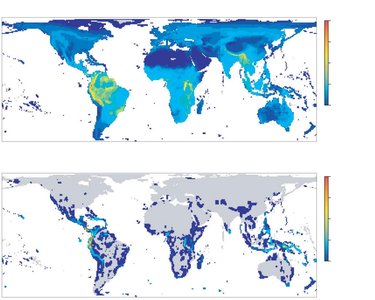
Biodiversity is not evenly distributed across the globe. The highest species richness is found in tropical rain forests, which cover only 7% of Earth's land area but are thought to contain at least 50% of all species. In most taxonomic groups, species richness is highest in the tropics and declines toward the poles. Some regions have a high proportion of endemic species—species found nowhere else.
Biodiversity Hotspots
Biodiversity hotspots are regions that contain at least 1,500 endemic plant species and have lost at least 70% of their traditional or primary vegetation. These areas are in urgent need of conservation action, as efforts to preserve habitat here would have the highest return on investment.
Threats to Biodiversity
Current Extinction Rates
Although extinction is a natural process, current rates are 100 to 1,000 times greater than the average ("background") rate. The sixth mass extinction in the history of multicellular life is now occurring, driven primarily by human activities.
IUCN Red List Categories
The International Union for the Conservation of Nature (IUCN) maintains a Red List of species threatened with extinction, categorized as:
Vulnerable
Endangered
Critically Endangered
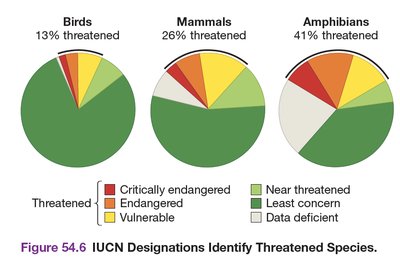
An endangered species is one whose numbers have decreased so drastically that it is almost certain to go extinct without effective conservation efforts.
Major Threats to Biodiversity
Habitat destruction and degradation: Conversion of forests, wetlands, and other ecosystems for agriculture, urban development, and resource extraction.
Overexploitation: Unsustainable harvesting of resources, such as overfishing and hunting.
Invasive species: Non-native species that outcompete, prey on, or bring diseases to native species.
Pollution: Contamination of air, water, and soil, affecting species health and ecosystem function.
Climate change: Alteration of temperature and precipitation patterns, affecting species distributions and ecosystem processes.
Multiple threats often overlap and interact, compounding their effects on biodiversity.
Economic, Social, and Ethical Benefits of Biodiversity
Ecosystem Services
Humans depend on biodiversity and functioning ecosystems for prosperity, health, and happiness. The direct and indirect benefits humans derive from organisms and ecosystems are called ecosystem services, which include:
Provisioning services: Food, water, timber, and fiber.
Regulating services: Climate regulation, disease control, and water purification.
Cultural services: Recreational, aesthetic, and spiritual benefits.
Supporting services: Nutrient cycling, soil formation, and primary production.
Ethical Considerations
Organisms have intrinsic worth, and humans diminish the world by extinguishing species and destroying ecosystems.
Industrialized nations are responsible for most environmental harm, yet poor countries are disproportionately affected by the consequences.
It is unethical for the current generation to deprive future generations of ecosystem services.
Conservation Strategies
Preserving Genetic Diversity, Species, and Ecosystem Function
Conservation strategies aim to maintain genetic diversity, protect endangered species, and preserve ecosystem function. These include establishing protected areas, restoring degraded habitats, and implementing sustainable resource management practices.
Systemic vs. Individual Solutions
Many environmental problems are systemic, rooted in economic and political structures rather than individual choices. For example, shifting responsibility for environmental degradation from corporations to individuals (e.g., "carbon footprint" campaigns) can obscure the need for collective action and policy change. Effective conservation often requires coordinated efforts at the societal level, such as reducing single-use plastics through infrastructure and policy changes.
Summary Table: Major Threats to Biodiversity
Threat | Description | Example |
|---|---|---|
Habitat destruction | Conversion of natural habitats for human use | Deforestation for agriculture |
Overexploitation | Unsustainable harvesting of species | Overfishing of marine stocks |
Invasive species | Introduction of non-native species | Zebra mussels in North America |
Pollution | Contamination of ecosystems | Pesticide runoff into rivers |
Climate change | Global warming and altered weather patterns | Coral bleaching due to ocean warming |
Key Equations and Concepts
Species Diversity Index (Shannon Index):
Where is the Shannon diversity index, is the number of species, and is the proportion of individuals in the th species.
Conclusion
Biodiversity is essential for ecosystem function and human well-being. The current biodiversity crisis, driven by human activities, requires urgent and coordinated conservation efforts at local, national, and global scales. Understanding the causes and consequences of biodiversity loss is fundamental to developing effective strategies for preservation.
