 Back
BackBiodiversity and Conservation Ecology: Study Notes
Study Guide - Smart Notes
 Tailored notes based on your materials, expanded with key definitions, examples, and context.
Biodiversity and Conservation Ecology
Introduction to Biodiversity
Biodiversity refers to the variety of life forms in a given area, encompassing the diversity of species, genetic information, and functional roles within ecosystems. Understanding biodiversity is crucial for evaluating ecosystem health and resilience.
Species richness: The number of different species present in a region.
Species evenness: The relative abundance of each species in a community.
Genetic diversity: The total genetic information within all individuals of a population or species, representing the adaptive capacity of a group.
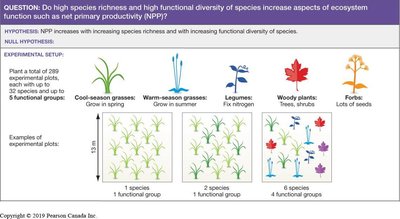
Functional diversity: The variety of roles that different species play within an ecosystem, influencing processes such as nutrient cycling and primary production.

Quantifying Biodiversity
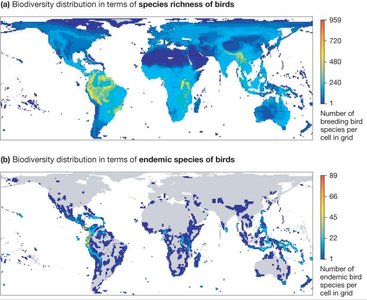
Biodiversity can be measured at multiple levels, including genetic, species, and ecosystem diversity. Areas with high species richness or endemism are often conservation priorities.
Endemic species: Species with a restricted geographic range, often found only in specific locations.
Evaluating both species richness and endemism provides a more comprehensive understanding of biodiversity patterns.
Threats to Biodiversity
Threatened and Endangered Species
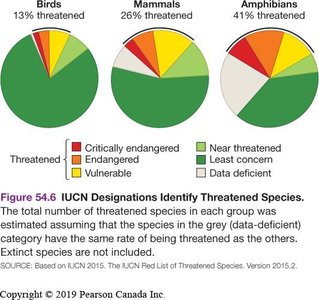
The International Union for the Conservation of Nature (IUCN) Red List categorizes species based on their risk of extinction. Endangered species are those with drastic population declines and are at high risk of extinction without intervention.
Critically endangered, endangered, vulnerable: Categories indicating increasing risk of extinction.
Amphibians are particularly threatened, with over 40% at risk.
Extinction Rates
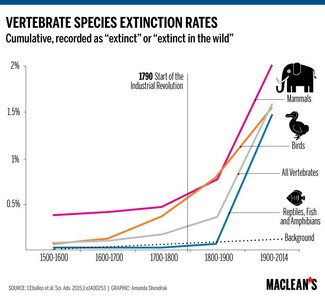
Although extinction is a natural process, current rates are 100 to 1000 times higher than historical background rates, leading some scientists to suggest we are in the midst of a sixth mass extinction.
Modern extinction rates have accelerated since the Industrial Revolution.
Major Threats to Biodiversity
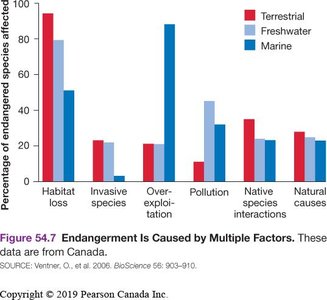
Multiple human activities threaten biodiversity, with habitat loss being the most significant factor. Other threats include invasive species, overexploitation, pollution, and climate change.
Habitat loss: Destruction or alteration of natural environments, reducing available space for species.
Overexploitation: Unsustainable removal of organisms for human use, especially in marine environments.
Pollution: Introduction of harmful substances into ecosystems, affecting species health and survival.
Climate change: Alters habitats and ecosystem processes, making it difficult for some species to adapt or migrate.
Habitat Loss and Deforestation
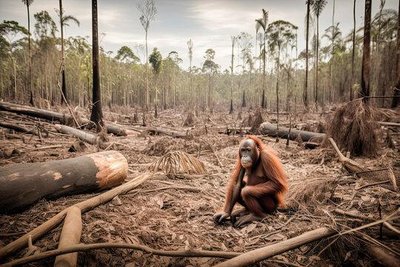
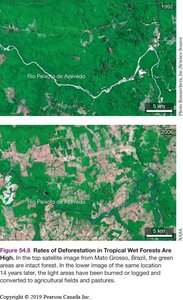
Human activities such as logging, agriculture, and urban development lead to habitat destruction and fragmentation, especially in biodiversity hotspots like tropical forests.
Deforestation in South America and Africa is particularly impactful, reducing carbon storage and threatening species.
Habitat Fragmentation
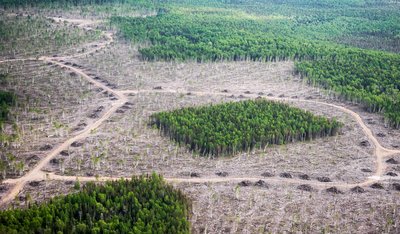
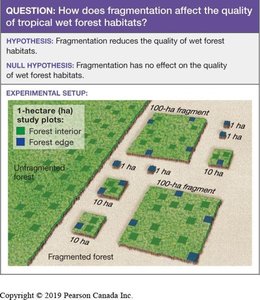
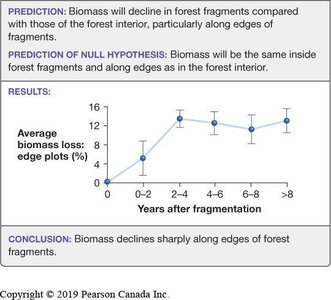
Fragmentation increases isolation of populations, reduces genetic exchange, and creates edge effects that can decrease ecosystem quality and biomass.
Edge effects refer to changes in population or community structures at the boundary of fragmented habitats.
Overexploitation
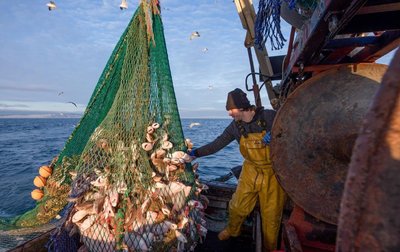
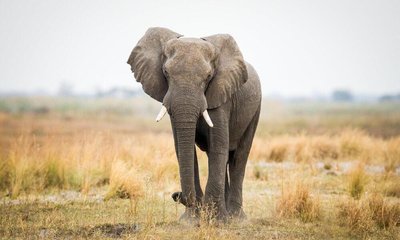
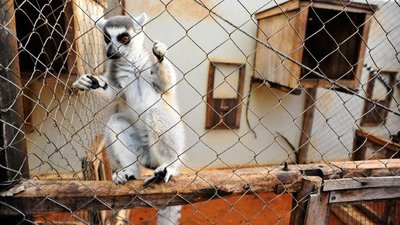
Overexploitation includes overfishing, overhunting, and the capture of animals for trade, leading to population declines and disruption of ecological interactions.
90% of large-bodied fish species have been harvested, threatening marine food webs.
Overhunting affects many mammals, especially in Africa, for bushmeat and products like ivory.
Capture for the exotic pet trade impacts a wide range of species.
Pollution
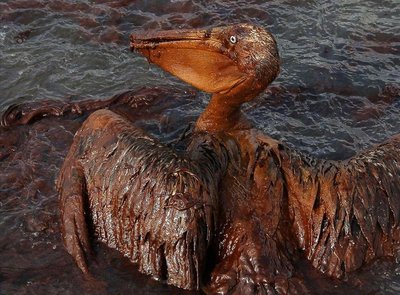
Pollution from industrial, agricultural, and pharmaceutical sources can have severe impacts on ecosystems. Nutrient runoff can cause eutrophication, while oil spills and other contaminants harm wildlife directly.
Climate Change and Ocean Acidification
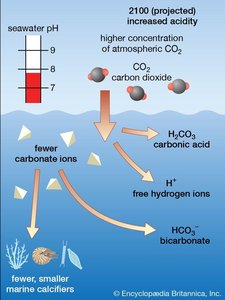
Climate change leads to altered temperature and precipitation patterns, affecting species distributions and ecosystem processes. Increased atmospheric CO2 causes ocean acidification, reducing the availability of carbonate ions needed by marine calcifiers to build shells and skeletons.
Ocean acidification inhibits the ability of marine animals to make calcium carbonate (CaCO3) structures.
The Importance of Biodiversity
Intrinsic and Instrumental Value
Biodiversity has both intrinsic value (worth independent of human use) and instrumental value (providing biological, economic, and cultural benefits to humans).
Ecosystem Services
Ecosystem services are the benefits that humans derive from functioning ecosystems, including:
Provision of habitat
Water filtration and purification
Flood control
Nutrient cycling
Climate regulation
Biodiversity and Ecosystem Function
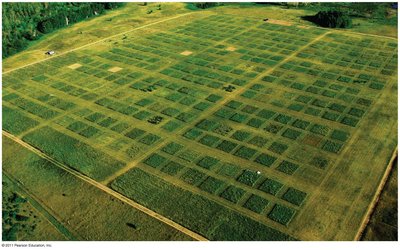
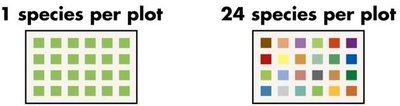
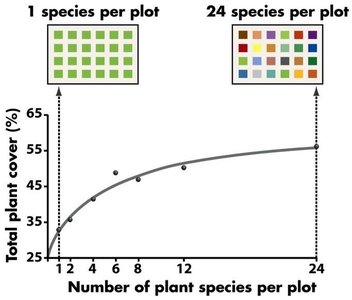
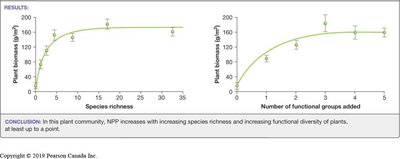
High biodiversity enhances ecosystem productivity and stability. Experiments show that plots with greater species richness have higher total plant cover and productivity (net primary production, NPP).
Resource use efficiency: Diverse plant communities use resources more efficiently.
Facilitation: Some species enhance the growth of others.
Biodiversity and Community Stability
Community stability is the ability to maintain productivity and recover after disturbances. Biodiversity can increase both resistance (remaining unchanged during disturbance) and resilience (speed of recovery).
The diversity-stability hypothesis suggests that more diverse communities are more stable, though the relationship is complex and influenced by species interactions and functional roles.
Conservation Strategies
Ethical Dimensions and Sustainability
There are ethical arguments for preserving biodiversity, including the intrinsic worth of organisms, responsibility for environmental harm, and obligations to future generations. Sustainability involves using resources at a rate that does not exceed nature's capacity for renewal.
Genetic Restoration and Seed Banks
Genetic restoration can increase genetic diversity in small, isolated populations through artificial gene flow. Seed banks preserve genetic diversity of crops and wild plants for future use.
Management Plans for Threatened Species
Captive breeding and reintroduction programs have successfully restored populations of species such as the whooping crane and California condor.
Wildlife Corridors
Wildlife corridors are strips of undeveloped habitat that connect protected areas, facilitating gene flow and recolonization. For example, wildlife crossing structures in Banff, Alberta, have reduced animal-vehicle collisions and increased safe crossings for multiple species.
Protected Areas and Ecosystem Restoration
Restoration success is positively correlated with the size and connectedness of restored areas. Collaborative projects, such as the Samboja Lestari project in Borneo, demonstrate the potential for ecological recovery.
Take-Home Message
Human activities are causing a global environmental crisis, but there is significant potential for positive change through conservation biology. Understanding and preserving biodiversity is essential for maintaining ecosystem function and ensuring a sustainable future.
