 Back
Biodiversity and Extinction Events: The Tree of Life
Study Guide - Smart Notes
 Tailored notes based on your materials, expanded with key definitions, examples, and context.
Biodiversity and the Tree of Life
Estimating Eukaryotic Species Diversity
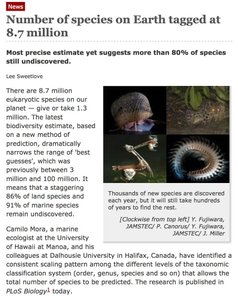
Biodiversity refers to the variety of life forms present on Earth, encompassing all living organisms from microscopic bacteria to large mammals. The number of eukaryotic species currently identified is approximately 2 million, but estimates range from 3 million to over 100 million due to several factors.
Species Ambiguity: Difficulty in defining what constitutes a distinct species leads to uncertainty in counts.
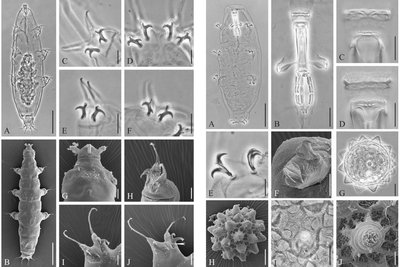
Small Species: Many organisms are microscopic and easily overlooked.
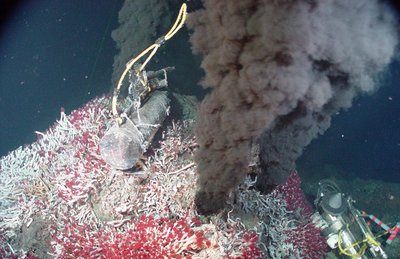
Hard-to-Reach Habitats: Environments such as deep oceans or dense forests are challenging to explore.
Example: Recent studies estimate about 8.7 million eukaryotic species, with more than 80% still undiscovered.
Classification of Biodiversity
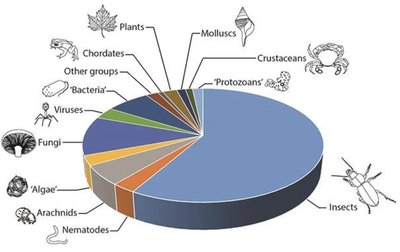
Biodiversity is classified into major groups such as plants, animals, fungi, and microorganisms. Insects represent the largest proportion of known species, followed by other groups such as plants and fungi.
Insects: Comprise about 50% of known species.
Plants: Represent a significant portion of biodiversity.
Fungi, Molluscs, Crustaceans: Other major groups with substantial diversity.
Extinction Events and Their Impact
Background and Mass Extinction Rates
Extinction is a natural process, with a background rate of about 1 per 1 million species each year. However, Earth's history has been punctuated by mass extinction events, which dramatically reduced biodiversity.
Background Extinction: Ongoing, low-level loss of species.
Mass Extinctions: Periods when large numbers of species disappeared in a relatively short time.
Major Mass Extinction Events
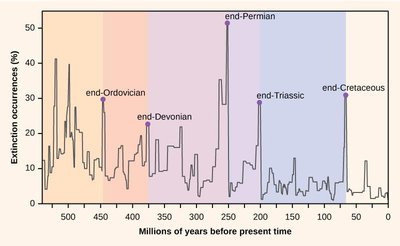
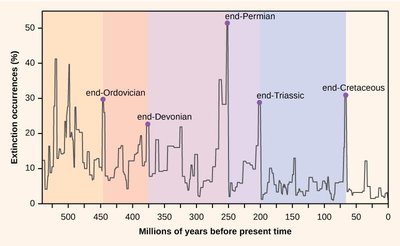
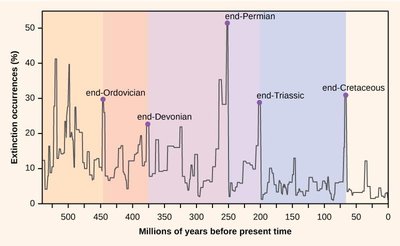
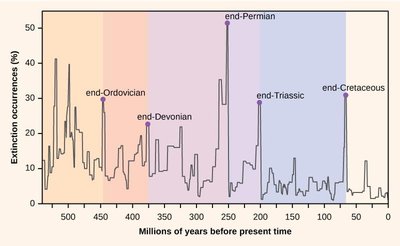
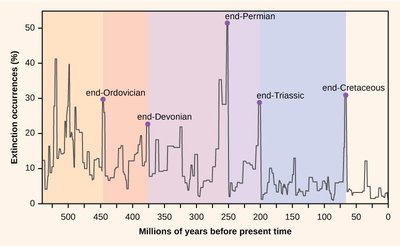
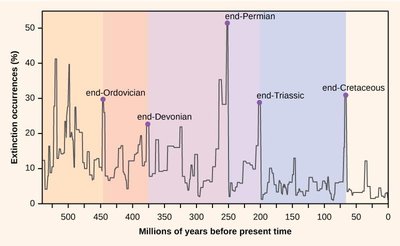
Five major mass extinctions have shaped the history of life:
End-Ordovician (c. 440 mya): Climate change and global cooling led to the loss of ~25% of marine families.
End-Devonian (c. 360 mya): Severe climate change caused ~19% of marine families to go extinct.
End-Permian (c. 250 mya): Known as 'The Great Dying,' volcanic eruptions and greenhouse gases resulted in the loss of up to 96% of marine species and 70% of terrestrial vertebrates.
End-Triassic (c. 210 mya): Volcanic activity led to the extinction of ~23% of families.
End-Cretaceous (c. 65 mya): An asteroid impact caused severe climate change, eliminating the dinosaurs and ~17% of families.

The Sixth Mass Extinction
Evidence suggests that Earth is currently experiencing a sixth mass extinction, primarily driven by human activities. The rate of extinction is now 1,000–10,000 times higher than the background rate, with 25–150 species going extinct each day.
Phase 1: Began with human dispersal 100,000 years ago.
Phase 2: Accelerated around 10,000 years ago due to agriculture and urbanization.
Current Rate: Estimated 27,000 extinctions per year in tropical rain forests alone.
Threats to Biodiversity
Major Threats
Biodiversity is threatened by several human-driven factors:
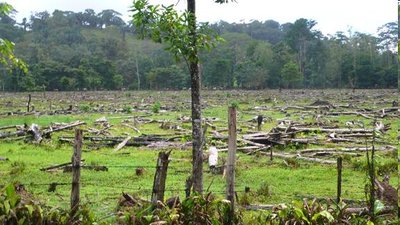
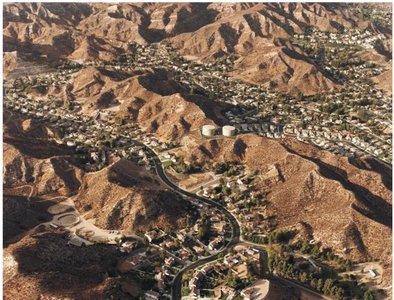
Habitat Loss: The single greatest threat, caused by agriculture, urban development, forestry, mining, and pollution. Habitat loss is implicated in 85% of endangered or threatened species.
Invasive Species: Introduction of species to new regions, often freeing them from natural predators and pathogens. Examples include purple loosestrife, kudzu, and zebra mussels.
Overexploitation: Harvesting organisms faster than populations can recover, implicated in 25% of recent extinctions.
Climate Change: Shifting temperature and precipitation patterns threaten species worldwide.
Importance of Biodiversity
Why Biodiversity Matters
Biodiversity is essential for ecosystem stability and human well-being. It provides food security, medicine, ecosystem services, and supports ecosystem functioning.
Food Security: Diverse species are sources of food and genetic resources for crops.
Medicine: Many pharmaceuticals are derived from natural compounds found in plants and animals.
Ecosystem Services: Biodiversity supports pollination, nutrient cycling, water purification, and climate regulation.
Ecosystem Functioning: Healthy ecosystems are more resilient to disturbances.
Ecotourism and Recreation: Natural environments attract tourism and provide recreational opportunities.
Biophilia: Humans have an innate affinity for nature, which contributes to psychological well-being.
Summary Table: Major Mass Extinction Events
Event | Approximate Date (mya) | Main Cause | Impact |
|---|---|---|---|
End-Ordovician | 440 | Climate change, cooling | ~25% marine families lost |
End-Devonian | 360 | Climate change | ~19% marine families lost |
End-Permian | 250 | Volcanism, greenhouse gases | ~57% families lost, 96% marine species |
End-Triassic | 210 | Volcanism | ~23% families lost |
End-Cretaceous | 65 | Asteroid impact | ~17% families lost, dinosaurs extinct |
Key Terms and Concepts
Biodiversity: The variety of life in all its forms and levels.
Extinction: The permanent loss of a species.
Mass Extinction: A rapid decrease in biodiversity due to catastrophic events.
Invasive Species: Non-native organisms that disrupt local ecosystems.
Overexploitation: Unsustainable harvesting of natural resources.
Ecosystem Services: Benefits provided by ecosystems to humans.
Relevant Equations
Estimating extinction rates:
Background extinction rate:
Current extinction rate:
Additional info: Context and examples were expanded for clarity and completeness. Images were included only when directly relevant to the explanation.
