 Back
BackBiodiversity: Introduction and Importance
Study Guide - Smart Notes
 Tailored notes based on your materials, expanded with key definitions, examples, and context.
Biodiversity: Introduction and Importance
What is Biodiversity?
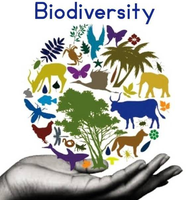
Biodiversity refers to the number and variety of species and ecosystems on Earth. It encompasses not only the diversity of species but also the genetic differences within species and the variety of ecosystems they form. Biodiversity is essential for the stability and resilience of ecosystems, providing resources and services vital for all life forms.
Structural diversity: The range of physical shapes and sizes within ecosystems, which creates microhabitats and supports a wide variety of organisms.
Individual variability: Differences in behaviors, habitats, ecological niches, and abundance within a species.
Ecological Niches
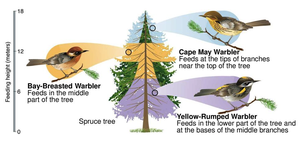
An ecological niche is the role and position a species has in its environment, including all biotic and abiotic factors that affect it. Different species can coexist in the same habitat by occupying different niches, thus reducing competition for resources.
Niche differentiation: Species avoid competition by utilizing different resources or habitats within the same ecosystem.
Species: Definition and Diversity
What is a Species?
A species is defined as a group of organisms capable of interbreeding to produce viable and fertile offspring under natural conditions. In cases where this definition does not apply (such as asexual organisms), species can be distinguished by their morphology (physical characteristics).
Examples: Humans, dogs.
Species identification: May rely on reproductive compatibility or morphological traits.
Species Diversity and Evolution
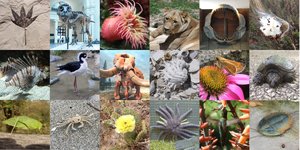
More than 1.7 million species have been identified and described. Species evolve over time and space, adapting to their environments. All species depend on others for survival, forming complex interdependent relationships.
Evolution: Species change genetically over generations, leading to adaptation and speciation.
Interdependence: Species rely on each other for food, shelter, and other resources.
Levels of Biodiversity
Genetic Diversity
Genetic diversity refers to the variety of genes within a species. It is responsible for individual differences such as hair color and height, and it provides the raw material for evolution and adaptation.
Importance: High genetic diversity increases a population's ability to adapt to environmental changes.
Species Diversity
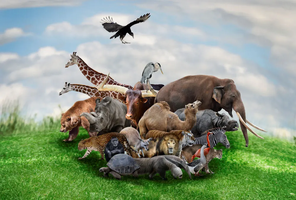
Species diversity is the variety and abundance of different species within a community. Ecosystems with high species diversity are generally more stable and resilient to disturbances.
Measurement: Often quantified by species richness (number of species) and evenness (relative abundance).
Ecosystem Diversity
Ecosystem diversity refers to the variety of ecosystems in a given region. Each ecosystem has unique community patterns and species distributions, with different functional roles that help maintain ecosystem characteristics.
Examples: Forests, grasslands, wetlands, and deserts.
Structural Diversity
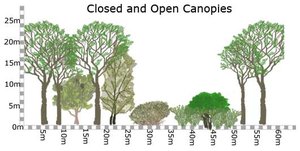
Structural diversity is the range of physical shapes and sizes within a habitat or ecosystem. Greater structural diversity creates more microhabitats, supporting higher biodiversity.
Microhabitats: Small, specialized habitats within a larger ecosystem.
Relationship: Greater structural diversity leads to greater biodiversity.
Interspecies Interactions
Types of Interactions
Species interact in various ways that are essential for ecosystem functioning:
Food supply: Some species feed on others or share resources.
Protection: Species may provide shelter for others (e.g., ants living in tree trunks).
Transportation: Some species rely on others for movement (e.g., seeds sticking to animals).
Reproduction: Certain species depend on others for successful reproduction (e.g., birds nesting in woodpecker holes).
Hygiene: Species may help maintain the health of others (e.g., cleaner fish removing parasites).
Digestion: Microorganisms living in digestive tracts aid in digestion (e.g., bacteria in the human large intestine).
Commensalism
Commensalism is a type of interspecies interaction where one species benefits while the other is neither helped nor harmed. For example, remora fish attach to sharks for transportation and feed on leftover food without affecting the shark.
Importance of Biodiversity
Ecosystem Resilience
Biodiversity increases the resilience of ecosystems, making them better able to withstand environmental stress, resist diseases, and provide resources such as food and shelter for other organisms.
Resilience: The ability of an ecosystem to recover from disturbances.
Resource availability: Diverse ecosystems offer more resources and ecological services.
Impact of Climate Change on Biodiversity
Climate change affects biodiversity through rising temperatures, habitat loss or expansion, and changing rainfall patterns, which can lead to droughts or flooding. These changes threaten species survival and ecosystem stability.
Effects of Human Intervention
Human activities such as monoculture farming, overharvesting, wildfire suppression, and pesticide use can negatively impact biodiversity. These interventions may reduce genetic, species, and ecosystem diversity, affecting both aquatic and terrestrial ecosystems.
Risks: Loss of species, disruption of ecological balance, and reduced ecosystem services.
Benefits: Increased food production, pest control, but often at the cost of long-term sustainability.
Biodiversity at Risk
The loss of biodiversity has significant consequences for humans, including threats to food supply, loss of natural medicines, economic impacts on tourism and forestry, and disruptions in biochemical cycles such as carbon uptake.
Ecosystem Services
Ecosystems provide essential services such as water, food, habitat, fuel, soil, construction materials, fiber, medicine, and jobs. They also recycle nutrients, clean the air, produce oxygen, and purify water, contributing to human well-being and quality of life.
Case Studies
How Wolves Change Rivers: Demonstrates the impact of keystone species on ecosystem structure and function.
Vanishing Bees: Highlights the importance of pollinators in maintaining biodiversity and food production.
Summary Table: Levels of Biodiversity
Level | Description | Example |
|---|---|---|
Genetic Diversity | Variety of genes within a species | Different hair colors in humans |
Species Diversity | Variety and abundance of species in a community | Many bird species in a forest |
Ecosystem Diversity | Variety of ecosystems in a region | Forests, wetlands, grasslands |
Structural Diversity | Range of physical shapes and sizes in a habitat | Closed and open canopies in forests |
Additional info: The notes above expand on the provided content with academic context, definitions, and examples to ensure completeness and clarity for college-level biology students.
