 Back
BackL1 Biodiversity
Study Guide - Smart Notes
 Tailored notes based on your materials, expanded with key definitions, examples, and context.
Biodiversity
Introduction to Biodiversity
Biodiversity refers to the variety and variability of life forms present on Earth, encompassing the number and types of species, ecosystems, and genetic differences within populations. It is a foundational concept in biology, essential for understanding the complexity and resilience of life.
Biodiversity includes structural diversity (shape and size) within ecosystems, as well as individual variability within a species (behaviours, habitat, ecological niches, and abundance).
It is crucial for maintaining viable ecosystems and supporting life.
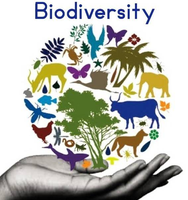
What is Biodiversity?
Biodiversity encompasses the number and variety of species and ecosystems, as well as the genetic and structural differences within and between species. It also includes the ecological roles and interactions among organisms.
Structural diversity: Refers to the range of physical shapes and sizes within a habitat or ecosystem.
Individual variability: Includes differences in behaviour, habitat, ecological niche, and abundance within a species.
Niche: The interrelationship of a species with all biotic and abiotic factors affecting it.
Ecological Niches
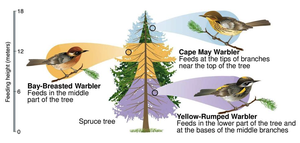
An ecological niche describes how a species interacts with its environment, including its use of resources and its role in the ecosystem. Different species can occupy different niches, reducing competition and promoting biodiversity.
Species may feed in different areas or at different times, avoiding direct competition.
Example: Warbler species feed in different parts of a tree, each occupying a unique niche.
Species and Their Diversity
Definition of Species
A species is defined as all organisms capable of interbreeding to produce viable and fertile offspring under natural conditions. This definition is most applicable to sexually reproducing organisms; for asexual organisms, morphological characteristics are used.
Examples: Humans, dogs.
Species evolve over time and space, and depend on other species for survival.
Species Diversity
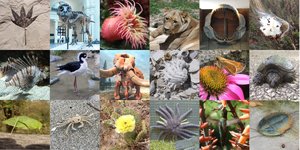
Species diversity refers to the quantity and variation of different species present in an ecosystem. Over 1.7 million species have been identified and described, each playing a unique role in their environment.
Species diversity contributes to ecosystem stability and resilience.
All species depend on others for survival, forming complex interdependent networks.
Levels of Diversity
Genetic Diversity
Genetic diversity is the variety present at the level of genes within a population. It is responsible for differences such as hair colour, height, and other traits.
High genetic diversity increases a population's ability to adapt to environmental changes.
Species Diversity
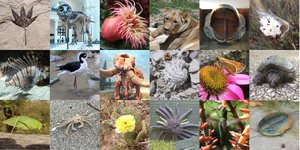
Species diversity is the number and variation of species within an ecosystem. Ecosystems with many different species and large populations are more resilient.
Greater species diversity leads to increased ecosystem stability.
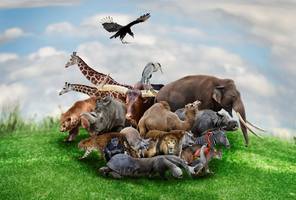
Ecosystem Diversity
Ecosystem diversity refers to the variety of ecosystems within a region, including species distribution and community patterns. Different species have different functional roles, helping maintain unique ecosystem characteristics.
Ecosystem diversity supports a wide range of habitats and microhabitats.
Structural Diversity
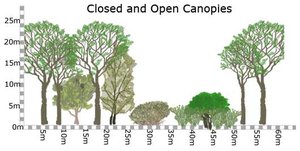
Structural diversity is the range of physical shapes and sizes within a habitat or ecosystem. It creates microhabitats and supports greater biodiversity.
Greater structural diversity leads to higher biodiversity.
Functional Roles in Ecosystems
Autotrophs and Heterotrophs
Ecosystems contain autotrophs (organisms that can make their own food) and heterotrophs (organisms that feed on other living or dead organisms).
Autotrophs: Plants, algae, and some bacteria.
Heterotrophs: Animals, fungi, and many bacteria.
Interspecies Interactions
Types of Interactions
Species interact in various ways, including food supply, protection, transportation, reproduction, hygiene, and digestion. These interactions are essential for ecosystem functioning.
Food supply: Feeding relationships, such as predation and mutualism.
Protection: Shelter provided by other species (e.g., ants living in tree trunks).
Transportation: Movement facilitated by other species (e.g., seeds sticking to animals).
Reproduction: Dependence on other species for successful reproduction (e.g., bird nests made by woodpeckers).
Hygiene: Maintenance of health (e.g., small fish cleaning large fish).
Digestion: Symbiotic relationships (e.g., bacteria in human intestines).
Commensalism
Commensalism is a type of interspecies interaction where one species benefits and the other is neither helped nor harmed. For example, remora fish attach to sharks for transportation and feed on leftover food.
Example: Remora fish and sharks.
Importance of Biodiversity
Ecosystem Resilience
Biodiversity increases ecosystem resilience, allowing ecosystems to withstand environmental stress, resist diseases, and provide resources for other organisms.
Resilience to environmental changes.
Resistance to diseases.
Increased resources (food, shelter).
Impact of Climate Change on Biodiversity
Climate change affects biodiversity through rising temperatures, habitat loss or expansion, changing rainfall levels, drought, and flooding.
Loss of habitats and species.
Altered ecosystem functions.
Effects of Human Intervention
Human activities such as monoculture, overharvesting, suppression of wildfires, and pesticide use impact biodiversity. These interventions can have both risks and benefits, affecting aquatic and terrestrial ecosystems.
Monoculture reduces genetic and species diversity.
Overharvesting threatens wild plant populations.
Pesticides can harm non-target species.
Biodiversity at Risk
The loss of biodiversity affects humans by threatening food supply, eliminating sources of natural medicines, impacting tourism and forestry, and disrupting biochemical cycles such as carbon uptake.
Loss of ecosystem services.
Economic and health impacts.
Ecosystem Services
Benefits Provided by Ecosystems
Ecosystems provide essential services, including water, food, habitat, fuel, soil, construction materials, fiber, medicine, and jobs. They also recycle nutrients, clean the air, produce oxygen, purify water, and offer aesthetic and recreational value.
Support for all life forms.
Intellectual stimulation and recreation.
Biodiversity in the World
Case Studies
Examples such as "How Wolves Change Rivers" and "Vanishing Bees" illustrate the impact of biodiversity on ecosystem function and stability.
Wolves influence river dynamics through trophic cascades.
Bees are essential pollinators, and their decline threatens food security.
Summary Table: Levels of Diversity
Level | Description | Example |
|---|---|---|
Genetic Diversity | Variety of genes within a species | Hair colour, height |
Species Diversity | Number and variation of species in an ecosystem | Many different animal and plant species |
Ecosystem Diversity | Variety of ecosystems in a region | Forests, grasslands, wetlands |
Structural Diversity | Range of physical shapes and sizes in a habitat | Closed and open canopies |
