 Back
BackBiogeochemical Cycles and Ecosystem Dynamics
Study Guide - Smart Notes
 Tailored notes based on your materials, expanded with key definitions, examples, and context.
Biogeochemical Cycles in Ecosystems
Overview of Biogeochemical Cycles
Biogeochemical cycles describe the movement of essential elements and compounds through living organisms and the abiotic environment. These cycles are fundamental to ecosystem function, ensuring the recycling of nutrients necessary for life. The main biogeochemical cycles include the carbon, water, nitrogen, phosphorus, and sulfur cycles.

Carbon Cycle
Water Cycle
Nitrogen Cycle
Phosphorus Cycle
Sulfur Cycle
Carbon Cycle
General Pathways of the Carbon Cycle
The carbon cycle involves the exchange of carbon among the atmosphere, biosphere, hydrosphere, and geosphere. Carbon is cycled through processes such as photosynthesis, respiration, consumption, decomposition, and combustion.
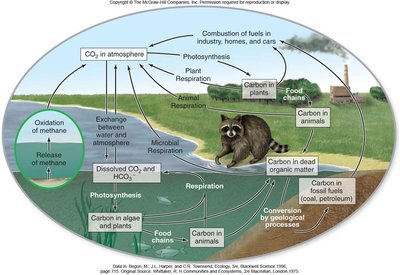
Photosynthesis: Plants convert atmospheric CO2 into organic molecules using sunlight.
Respiration: Both plants and animals release CO2 back into the atmosphere.
Consumption: Animals obtain carbon by eating plants or other animals.
Decomposition: Decomposers break down dead organisms, returning carbon to the environment.
Combustion: Burning of fossil fuels releases stored carbon as CO2.
Photosynthesis
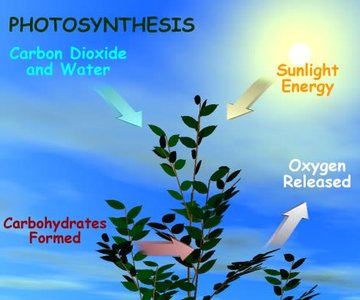
Photosynthesis is the process by which plants, algae, and some bacteria use sunlight to convert carbon dioxide and water into glucose and oxygen. This process is the primary means by which carbon enters the biosphere.
Equation: $6CO_2 + 6H_2O \rightarrow C_6H_{12}O_6 + 6O_2$
Key Points: Carbon dioxide is fixed into organic molecules; oxygen is released as a byproduct.
Respiration
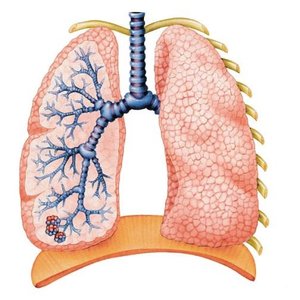
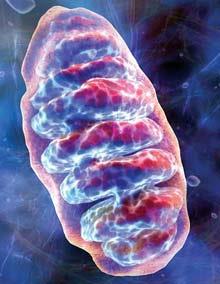
Cellular respiration is the process by which organisms break down glucose to release energy, producing carbon dioxide and water as waste products. This process occurs in both plants and animals.
Equation: $C_6H_{12}O_6 + 6O_2 \rightarrow 6CO_2 + 6H_2O$
Key Points: Respiration returns carbon to the atmosphere.
Consumption
Animals obtain carbon by consuming plants or other animals. Organic compounds are transferred through food webs, and waste products are broken down by decomposers.
Key Points: Carbon moves through trophic levels via feeding.
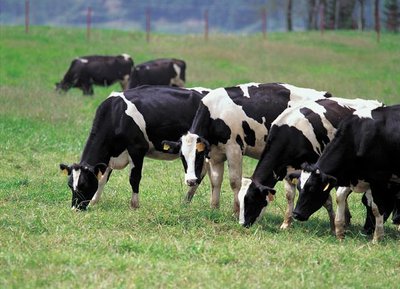
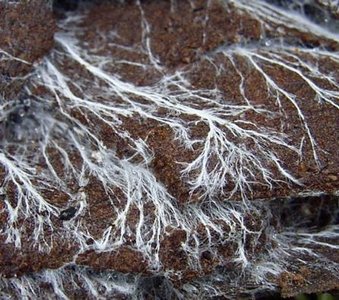
Decomposers: Fungi and bacteria break down waste and dead material, releasing CO2.

Decomposition
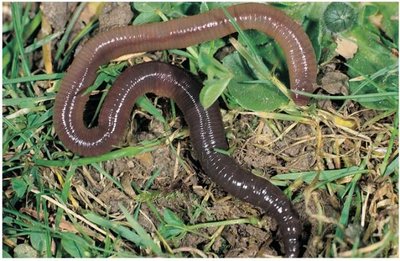
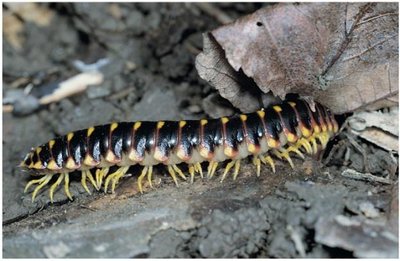
Decomposition is a complex process involving various organisms that break down dead organic material, returning carbon to the atmosphere and soil.
Microbial decomposers: Bacteria and fungi are primary decomposers.
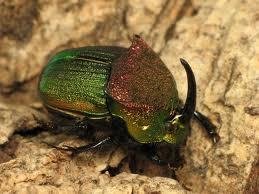
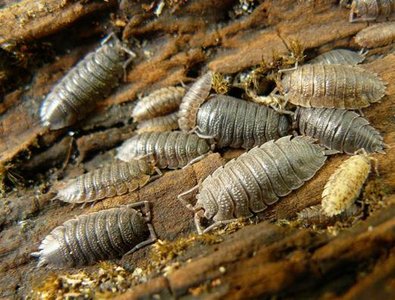
Detritivores: Animals such as earthworms, beetles, and isopods feed on detritus.
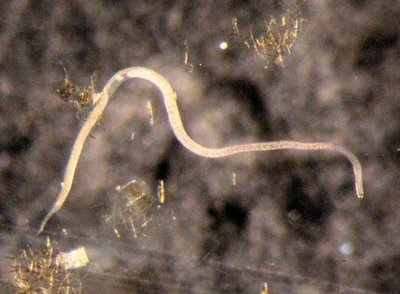
Classification: Microfauna, mesofauna, macrofauna, and megafauna participate in decomposition.


Combustion
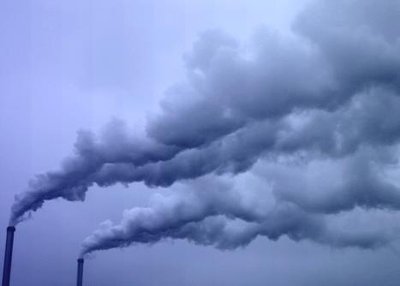
Combustion is the burning of organic material, such as fossil fuels and wood, which releases stored carbon as CO2 into the atmosphere. This process is a major contributor to the current imbalance in the carbon cycle.
Key Points: Human activities have increased atmospheric CO2 concentrations.
Water Cycle
Overview of the Water Cycle
The water cycle describes the continuous movement of water within the Earth and atmosphere. It involves processes such as evaporation, condensation, precipitation, and runoff. Water availability determines the nature and abundance of organisms in an ecosystem.
Key Points: Water is synthesized during cellular respiration and broken down during photosynthesis.
Acid Rain: Precipitation with a pH below 5, often caused by atmospheric pollutants.
Deforestation: Disrupts the local water cycle, potentially converting rainforests to semiarid deserts.
Nitrogen Cycle
Overview of the Nitrogen Cycle
Nitrogen is essential for the synthesis of proteins and nucleic acids. Although the atmosphere is 78% nitrogen, most organisms cannot use N2 gas directly. The nitrogen cycle involves several types of bacteria that convert nitrogen into usable forms for plants and animals.
Nitrogen Fixation: Nitrogen-fixing bacteria convert atmospheric N2 into ammonia (NH3).
Nitrification: Nitrifying bacteria convert ammonia into nitrates (NO3).
Decomposition: Decay bacteria release nitrogen from dead organisms as ammonia.
Denitrification: Denitrifying bacteria return nitrogen to the atmosphere as N2.
Phosphorus Cycle
Overview of the Phosphorus Cycle
Phosphorus is required for nucleic acids, cell membranes, ATP, bones, and teeth. Unlike other cycles, phosphorus does not have a significant gaseous phase and exists mainly as phosphate ions (PO43–) in ecosystems.
Key Points: Plants and algae use inorganic phosphorus; animals obtain phosphorus by eating plants.
Eutrophication: Excess phosphorus leads to overgrowth of algae and depletion of oxygen in aquatic systems.
Sulfur Cycle
Overview of the Sulfur Cycle
The sulfur cycle is significantly affected by human activities, especially the burning of fossil fuels. Sulfur dioxide (SO2) is released, which dissolves in water to form sulfuric acid, contributing to acid rain.
Key Points: Acid rain can have a pH as low as 4.1–4.5, impacting ecosystems.
Energy Flow and Climate Change in Ecosystems
Energy Movement in Ecosystems
Energy moves through ecosystems in a one-way path, entering as sunlight and exiting as heat. Unlike matter, energy cannot be recycled within ecosystems.
Key Points: Energy is lost at each trophic level, limiting the number of levels in a food chain.
Albedo and Climate Feedbacks
Albedo is the measure of reflectivity of surfaces. High albedo surfaces (e.g., snow) reflect more energy, keeping surfaces cool, while low albedo surfaces (e.g., forests, oceans) absorb more energy, warming the surface. Feedback loops involving albedo play a role in climate change.
Surface | Albedo |
|---|---|
Snow | 0.4–0.9 |
Desert Sand | 0.4 |
Grasslands | 0.25 |
Forest | 0.1–0.2 |
Ocean | 0.1 |
Positive Feedback Loop: Climate warming causes ice to melt, lowering surface albedo, which increases energy absorption and further warming.
Negative Feedback Loop: Climate warming increases evaporation, leading to more cloud cover. Low clouds have high albedo, reflecting energy and causing cooling.
Biodiversity and Conservation Ecology
Biodiversity Crisis
Recent extinctions have accelerated, threatening many species. Factors include overexploitation, habitat loss, introduced species, ecosystem disruption, pollution, loss of genetic variation, and catastrophic disturbances.
Key Points: Conservation strategies focus on habitat preservation, protecting endemic species, and restoring damaged ecosystems.
Indicator Species: Species whose health reflects ecosystem health (e.g., corals, peppered moths, polar bears).
Umbrella Species: Protecting these species indirectly protects many others (e.g., Northern spotted owl).
Flagship Species: Charismatic species used to garner public support (e.g., giant panda, American buffalo).
Keystone Species: Species with a disproportionate impact on their ecosystem (e.g., beavers, palm nuts, figs).
Restoration Ecology: Involves repairing or replacing damaged habitats and populations, including bioremediation to detoxify polluted environments.
