 Back
BackBiogeochemical Cycles: Water, Carbon, Nitrogen, and Phosphorus in Ecosystems
Study Guide - Smart Notes
 Tailored notes based on your materials, expanded with key definitions, examples, and context.
Biogeochemical Cycles
Overview of Biogeochemical Cycles
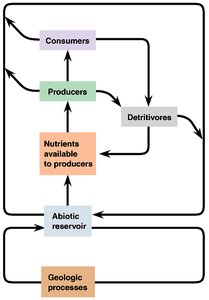
Biogeochemical cycles describe the movement of essential nutrients and elements between the living (biotic) and nonliving (abiotic) components of the Earth. These cycles ensure the continuous supply of elements necessary for life, such as carbon, nitrogen, phosphorus, and water. The main reservoir for each nutrient is found in a specific part of the environment, and nutrients cycle through various forms and processes.
Nutrients are chemical elements required by living organisms, including carbon, hydrogen, oxygen, nitrogen, phosphorus, and sulfur.
Ecologists study each cycle by focusing on: the biological importance of the chemical, its available forms, major reservoirs, and key processes driving its movement.
The Hydrologic (Water) Cycle
Movement and Importance of Water
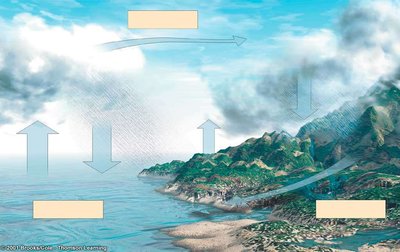
The hydrologic cycle describes the continuous movement of water on, above, and below the surface of the Earth. Water acts as a vehicle for the transfer of chemicals and is essential for all living organisms. The main processes include evaporation, precipitation, transpiration, and runoff.
Evaporation: Water changes from liquid to vapor, primarily from oceans and land surfaces.
Precipitation: Water vapor condenses and falls as rain or snow onto land and oceans.
Transpiration: Water is released from plants into the atmosphere.
Runoff: Water moves from land to bodies of water, carrying nutrients and minerals.
Global Water Crisis
Freshwater is a limited resource, and its scarcity is a major global issue. Human activities such as overuse, pollution, and contamination threaten water availability and quality.
Desalinization is costly and energy-intensive.
Aquifers are being depleted faster than they are replenished.
Pollution from sewage, agriculture, and industry contaminates water sources.
Access to clean water is a critical issue for billions of people worldwide.
Example: It takes 53 liters of water to produce one orange, and 1 kg of butter requires 18,000 liters of water, illustrating the hidden water cost in everyday products.
The Carbon Cycle
Movement of Carbon in Ecosystems
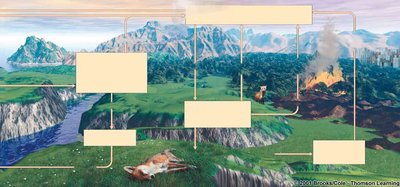
The carbon cycle tracks the movement of carbon among the atmosphere, living organisms, oceans, sediments, and rocks. Carbon is a key component of organic molecules and is cycled through processes such as photosynthesis, respiration, decomposition, and combustion.
Main Reservoirs: Sediments and rocks (primary), oceans (secondary), atmosphere (as CO2).
Key Processes: Photosynthesis (removes CO2 from atmosphere), respiration (returns CO2), decomposition, combustion of fossil fuels, and volcanic activity.
The Greenhouse Effect and Global Warming
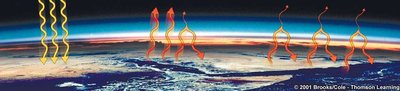
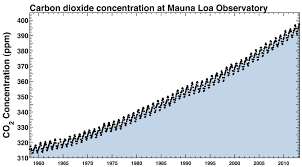
Greenhouse gases, such as carbon dioxide (CO2), methane (CH4), nitrous oxide (N2O), and CFCs, trap heat in the Earth's atmosphere, impeding the escape of infrared radiation and warming the planet. Human activities, especially the burning of fossil fuels and deforestation, have increased greenhouse gas concentrations, leading to global warming.
Greenhouse Gases: CO2, methane, nitrous oxide, CFCs.
Effects: Rising global temperatures, climate change, and altered weather patterns.
The Nitrogen Cycle
Importance and Movement of Nitrogen
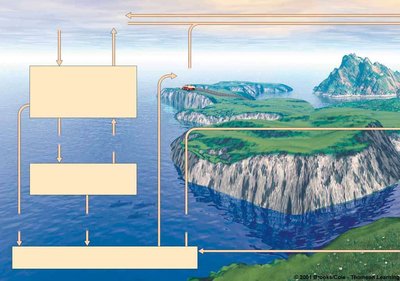
Nitrogen is essential for the synthesis of amino acids and nucleic acids. The main reservoir is atmospheric nitrogen gas (N2), which must be converted into usable forms by living organisms through nitrogen fixation, nitrification, and other processes.
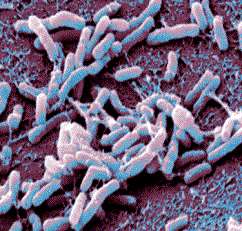
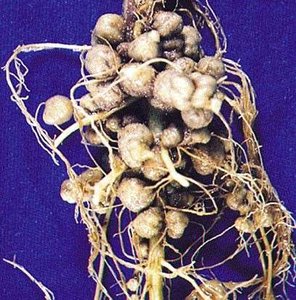
Nitrogen Fixation: Conversion of N2 gas to ammonia (NH3) by bacteria.
Nitrification: Conversion of ammonia to nitrate (NO3-).
Assimilation: Uptake of nitrates by plants.
Ammonification: Decomposition of organic nitrogen to ammonia.
Denitrification: Conversion of nitrates back to N2 gas by bacteria.

Human Impacts on the Nitrogen Cycle
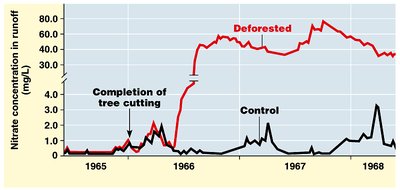
Human activities, such as deforestation, fertilizer use, and fossil fuel combustion, have altered the nitrogen cycle. Excess nitrogen in water bodies leads to eutrophication, harming aquatic life and reducing biodiversity.
Clearing forests increases nitrogen loss from soils.
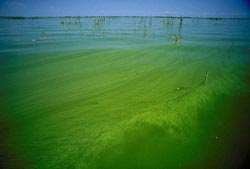
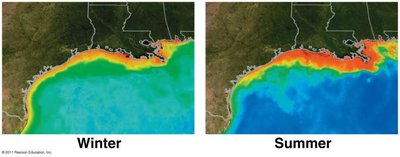
Fertilizer runoff increases nitrogen in water, causing algal blooms and dead zones.
Burning fossil fuels releases nitrogen oxides into the atmosphere, contributing to air pollution.

The Phosphorus Cycle
Movement and Importance of Phosphorus
Phosphorus is a key component of nucleotides and phospholipids, making it essential for DNA, RNA, and cell membranes. Unlike other cycles, phosphorus does not have a significant gaseous phase and cycles mainly through rocks, soil, water, and living organisms.
Main Reservoir: Earth's crust (rocks and sediments).
Key Processes: Weathering of rocks releases phosphate ions, which are absorbed by plants and move through food webs.
Phosphorus is often the limiting nutrient in ecosystems, controlling productivity.
Eutrophication and Human Impacts
Human activities, such as the use of fertilizers and disposal of sewage, have increased phosphorus and nitrogen inputs into aquatic systems. This leads to accelerated eutrophication, resulting in algal blooms, oxygen depletion, and loss of aquatic life.
Cultural Eutrophication: Over-enrichment of water bodies with nutrients due to human activity.
Dead Zones: Areas with low oxygen where most aquatic life cannot survive, such as the Gulf of Mexico dead zone.
Summary Table: Key Features of Major Biogeochemical Cycles
Cycle | Main Reservoir | Key Processes | Human Impacts |
|---|---|---|---|
Water (Hydrologic) | Oceans, atmosphere, surface water, groundwater | Evaporation, precipitation, transpiration, runoff | Overuse, pollution, depletion of aquifers |
Carbon | Sediments, rocks, oceans, atmosphere | Photosynthesis, respiration, decomposition, combustion | Fossil fuel burning, deforestation, ocean pollution |
Nitrogen | Atmosphere (N2 gas) | Nitrogen fixation, nitrification, assimilation, denitrification | Fertilizer use, deforestation, fossil fuel combustion |
Phosphorus | Rocks, sediments | Weathering, absorption by plants, movement through food webs | Fertilizer runoff, sewage, eutrophication |
