 Back
Biogeography: Determinants of Species Distribution, Climate, and Island Theory
Study Guide - Smart Notes
 Tailored notes based on your materials, expanded with key definitions, examples, and context.
Biogeography
Introduction to Biogeography
Biogeography is the study of the distribution of species and ecosystems in geographic space and through geological time. Founded by Alfred Russel Wallace, it integrates evidence from geology, paleontology, ecology, and phylogenetics to explain why species are found where they are.
Macroevolutionary field: Focuses on large-scale patterns and processes.
Key influences: History, evolution, climate, physiology, and local interactions.
Determinants of Species Distributions
Species distributions are shaped by both abiotic and biotic factors, which define their fundamental and realized niches.
Abiotic factors: Temperature, precipitation, solar radiation, soil composition, slope, water salinity.
Biotic factors: Life-history traits, dispersal capabilities, interactions (competition, predation, mutualism).
Fitness trade-offs: No species can survive all environmental conditions due to evolutionary compromises.
Major Abiotic Drivers of Climate
Climate is the long-term pattern of weather in a region, determined by several abiotic factors. These factors create predictable global patterns that influence biodiversity.
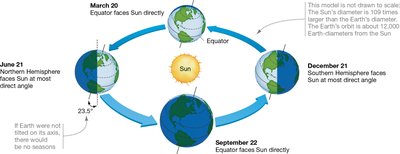
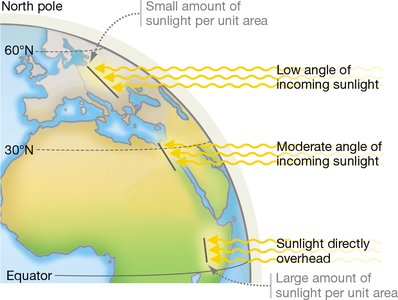
Solar radiation: The equator receives more sunlight per unit area than the poles, resulting in warmer, more humid conditions.
Earth's tilt: The 23.5° tilt causes seasonality at higher latitudes.
Global Air Circulation and Precipitation
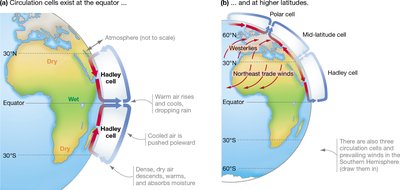
Hadley cells are major cycles in global air circulation responsible for wet equatorial regions and dry subtropical zones.
Equator: Warm air rises, cools, and condenses, causing rain.
Subtropics: Air sinks, warms, and retains moisture, resulting in dry climates.
Regional Climate Influences
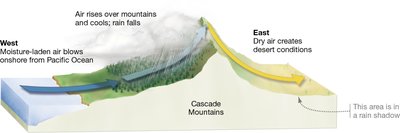
Mountains: Cause rain shadow effects, with moist air rising and cooling on one side, and dry air descending on the other.
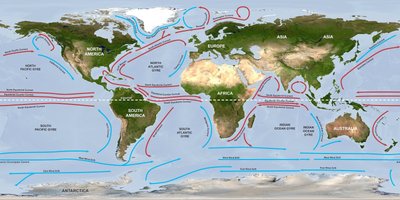
Ocean currents: Redistribute heat, affecting coastal climates.
Impact of Global Climate on Biodiversity
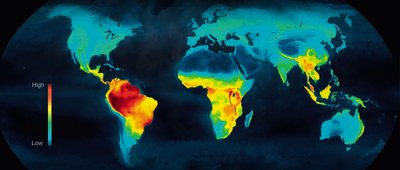
Abiotic factors drive the global distribution of organisms, leading to higher species richness at the equator due to greater energy input and net primary productivity (NPP).
Equator: High NPP supports complex food webs and diverse communities.
Higher latitudes: Lower NPP, simpler communities, fewer species.
Species-Latitude Relationship
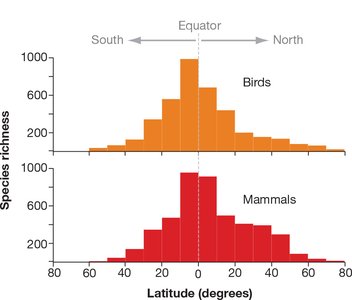
Species richness is highest in tropical regions and decreases toward the poles, explained by interactions between abiotic, biotic, and historical factors.
Abiotic: Larger surface area, stable environments, high energy availability.
Biotic: Complex ecological interactions, niche differentiation.
Historical: High speciation, low extinction, frequent colonization.
Biomes and Biogeographic Regions
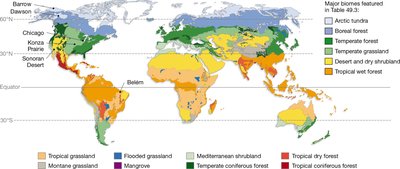
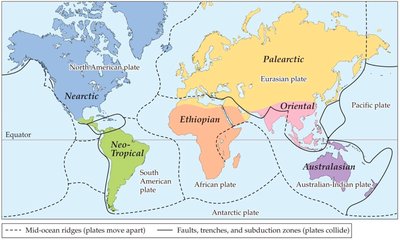
Biomes are regions characterized by distinct abiotic conditions and dominant vegetation types. Biogeographic regions are shaped by physical barriers and evolutionary history.
Biomes: Determined by temperature, precipitation, and geography.
Biogeographic regions: Defined by barriers such as mountains, rivers, and oceans.
Historical Biogeography: Impact of Time
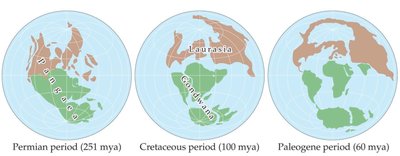
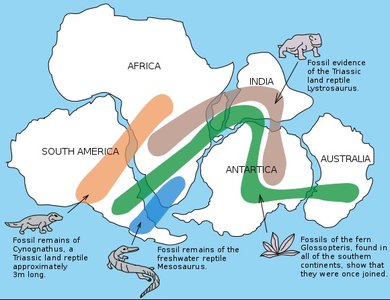
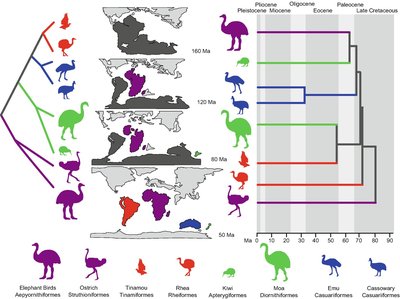
Continental drift, sea level changes, and orogenic events create physical barriers, leading to distinct biogeographic regions and speciation.
Continental drift: Movement of landmasses alters available habitat and isolation.
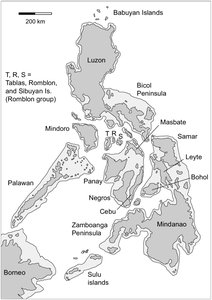
Eustatic changes: Fluctuations in sea level connect or fragment populations.
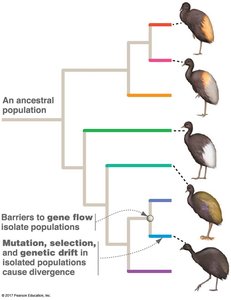
Vicariance: Separation of populations by barriers, leading to divergence.
Dispersal: Movement of individuals expands ranges.

Island Biogeography
Island biogeography examines how island size and distance from the mainland affect species richness, using the equilibrium theory proposed by MacArthur and Wilson.
Oceanic islands: Volcanic origin, infrequent colonization, long isolation.
Continental islands: Formerly connected to mainland, more frequent gene flow.
Equilibrium theory: Predicts species richness based on immigration and extinction rates.
Equilibrium Theory of Island Biogeography
Immigration: Higher for islands closer to the mainland.
Extinction: Lower for larger islands due to more niches and less competition.
Predicted equilibrium: Where immigration and extinction rates intersect.
Island Biodiversity Hotspots and Habitat Fragmentation
Many islands and fragmented habitats are biodiversity hotspots with high endemism and extinction risk. Conservation strategies prioritize larger, intact, connected, and clumped habitats.
Endemic species: Found only in one location, vulnerable to extinction.
Habitat fragmentation: Smaller, isolated patches support fewer species.
Summary Table: Comparison of Abiotic and Biotic Factors
Factor | Abiotic | Biotic |
|---|---|---|
Definition | Non-living environmental variables (e.g., temperature, precipitation) | Living interactions (e.g., competition, predation, mutualism) |
Role in Distribution | Determines fundamental niche | Determines realized niche |
Examples | Solar radiation, soil composition, water salinity | Dispersal, life-history traits, ecological interactions |
Key Equations
Net Primary Productivity (NPP):
Where GPP is gross primary productivity and R is respiration.
Species-Area Relationship:
Where S is the number of species, A is the area, c and z are constants.
Conclusion
Biogeography provides a framework for understanding how abiotic and biotic factors, historical events, and geographic barriers shape the distribution and diversity of life on Earth. The equilibrium theory of island biogeography and the concept of biomes are central to predicting patterns of species richness and guiding conservation efforts.
