Back

BIOL 1201: General Biology I Syllabus and Course Structure Study Guide

Study Guide - Learn with Videos

Curated lessons matched to your uploaded material – learn every topic step by step.

Atoms - Smallest Unit of Matter

  • Atoms- Smallest Unit of Matter Example 1
    02:13
  • Atoms- Smallest Unit of Matter Example 3
    03:51
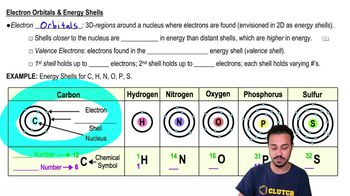
  • Electron Orbitals & Energy Shells
    09:44

Introduction to Chemical Bonding

  • Introduction to Chemical Bonding Example 1
    1:59
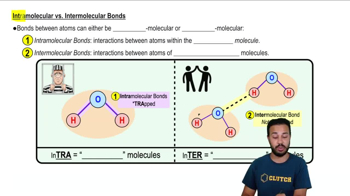
  • Intramolecular vs. Intermolecular Bonds
    03:53
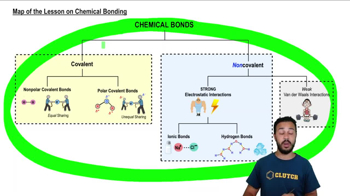
  • Map of the Lesson on Chemical Bonding
    02:42

Properties of Water- Cohesion and Adhesion

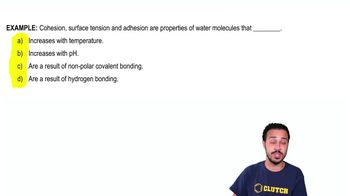
  • Properties of Water- Cohesion and Adhesion Example 1
    01:46
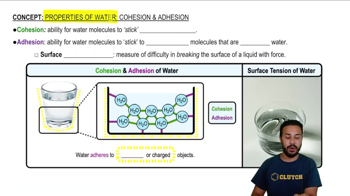
  • Properties of Water- Cohesion and Adhesion
    04:16

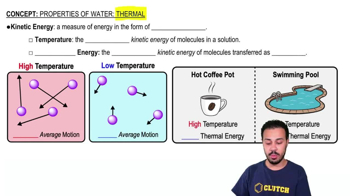
Properties of Water- Thermal

  • Properties of Water- Thermal
    04:07
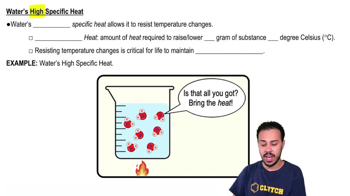
  • Water’s High Specific Heat
    03:25
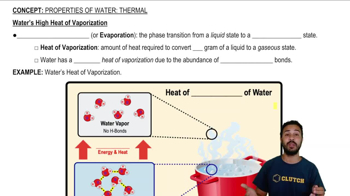
  • Water’s High Heat of Vaporization
    03:31

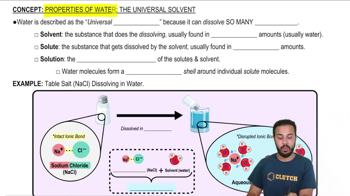
Properties of Water- The Universal Solvent

  • Properties of Water- The Universal Solvent
    06:20
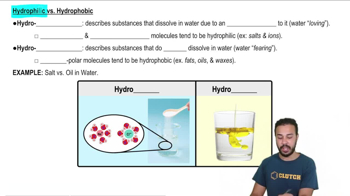
  • Hydrophilic vs. Hydrophobic
    03:43
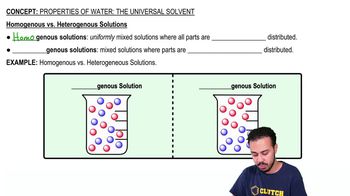
  • Homogenous vs. Heterogenous Solutions
    02:19

Carbon

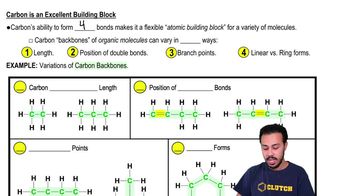
  • Carbon is an Excellent Building Block
    03:35
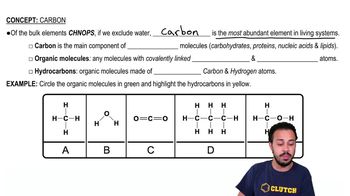
  • Carbon
    04:19

Functional Groups

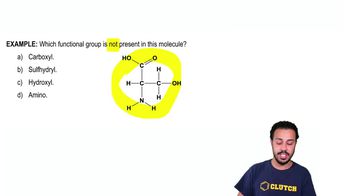
  • Functional Groups Example 1
    02:00
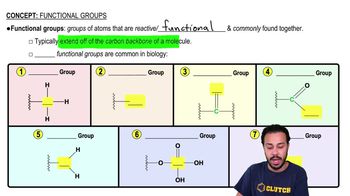
  • Functional Groups
    06:04

Introduction to Biomolecules

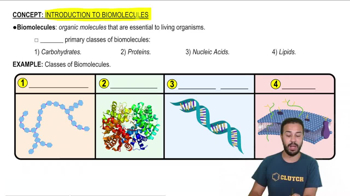
  • Introduction to Biomolecules
    01:17
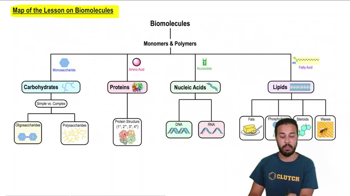
  • Map of the Lesson on Biomolecules
    01:29

Monomers & Polymers

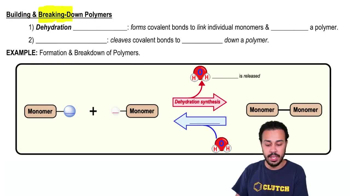
  • Building & Breaking-Down Polymers
    04:19
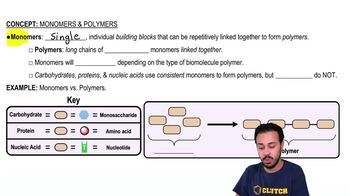
  • Monomers & Polymers
    03:42

Carbohydrates

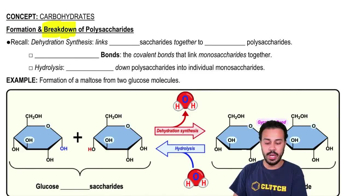
  • Formation & Breakdown of Polysaccharides
    03:08
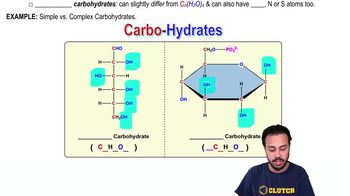
  • Carbohydrates
    04:53
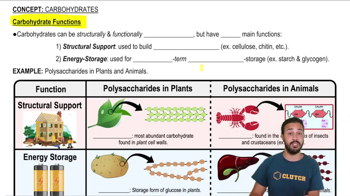
  • Carbohydrate Functions
    05:08

Proteins

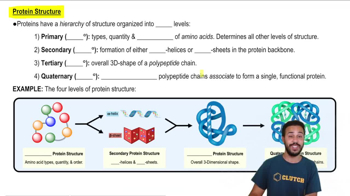
  • Protein Structure
    08:02
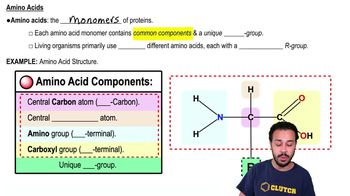
  • Amino Acids
    04:37
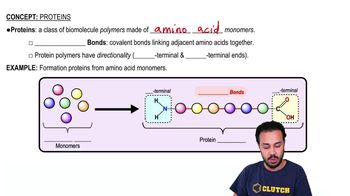
  • Proteins
    02:50

Nucleic Acids

  • Nucleic Acids Example 2
    01:05
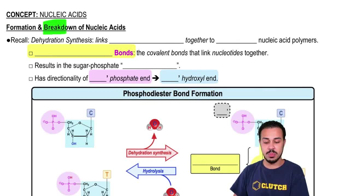
  • Formation & Breakdown of Nucleic Acids
    04:07
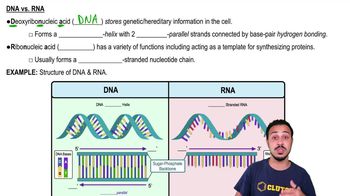
  • DNA vs. RNA
    05:57

Lipids

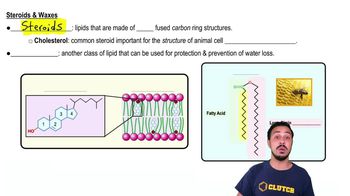
  • Steroids & Waxes
    03:30
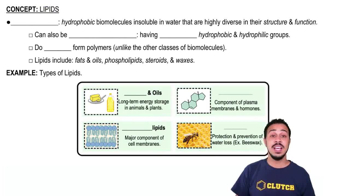
  • Lipids
    04:19
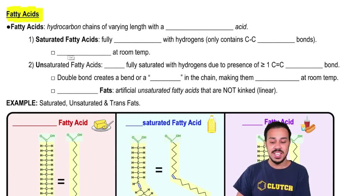
  • Fatty Acids
    06:59

Microscopes

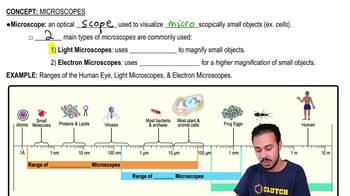
  • Microscopes
    06:35
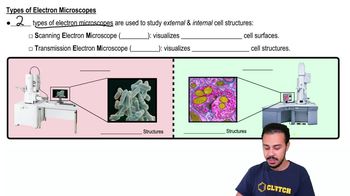
  • Types of Electron Microscopes
    02:52

Prokaryotic & Eukaryotic Cells

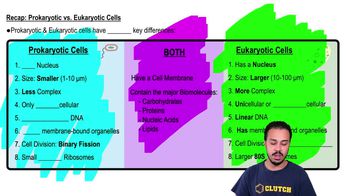
  • Recap: Prokaryotic vs. Eukaryotic Cells
    04:26
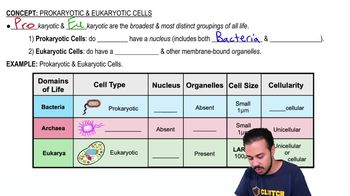
  • Prokaryotic & Eukaryotic Cells
    05:54
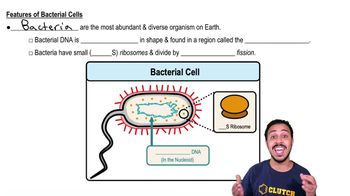
  • Features of Bacterial Cells
    03:54

Introduction to Eukaryotic Organelles

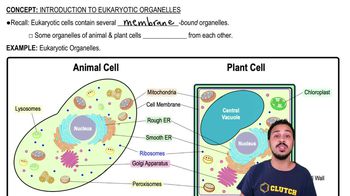
  • Introduction to Eukaryotic Organelles
    03:45
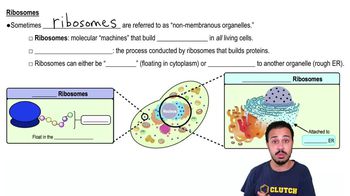
  • Ribosomes
    06:51
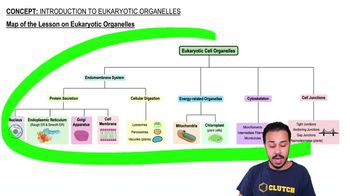
  • Map of the Lesson on Eukaryotic Organelles
    02:43

Endomembrane System: Protein Secretion

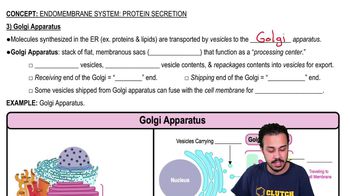
  • Golgi Apparatus
    06:02
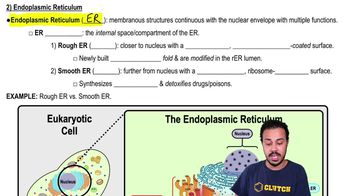
  • Endoplasmic Reticulum
    06:07
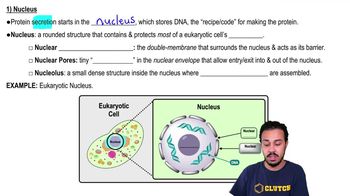
  • Nucleus
    06:32

Endomembrane System: Digestive Organelles

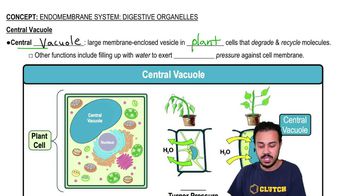
  • Central Vacuole
    03:35
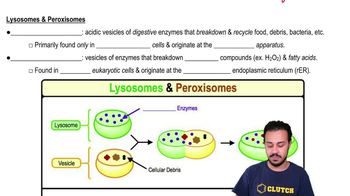
  • Lysosomes & Peroxisomes
    05:38

Mitochondria & Chloroplasts

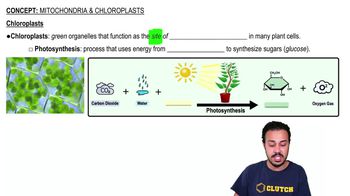
  • Chloroplasts
    03:16
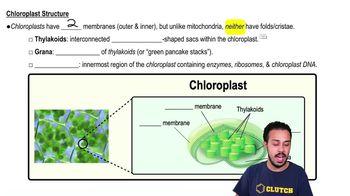
  • Chloroplast Structure
    03:41
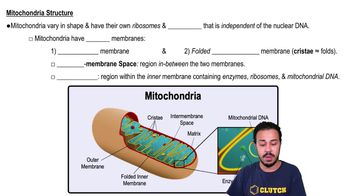
  • Mitochondria Structure
    04:45

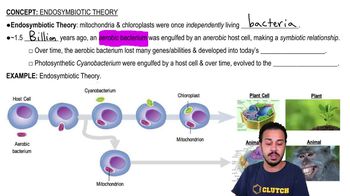
Endosymbiotic Theory

  • Endosymbiotic Theory
    06:58

Introduction to the Cytoskeleton

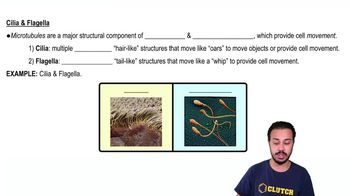
  • Cilia & Flagella
    03:15
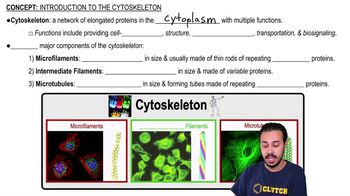
  • Introduction to the Cytoskeleton
    06:05

Biological Membranes

  • Biological Membranes Example 1
    02:21
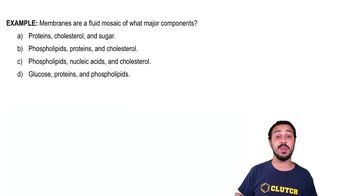
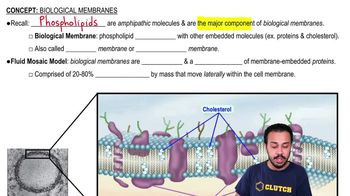
  • Biological Membranes
    06:04

Introduction to Membrane Transport

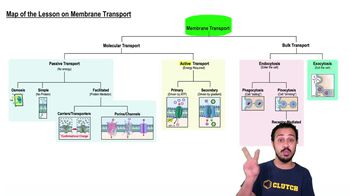
  • Map of the Lesson on Membrane Transport
    02:33
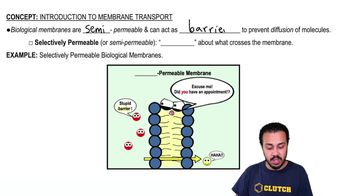
  • Introduction to Membrane Transport
    02:47
  • Which Molecules Freely Cross Membranes?
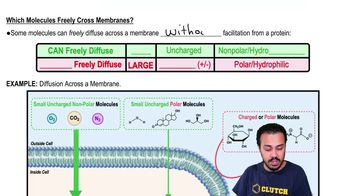
    07:10

Passive vs. Active Transport

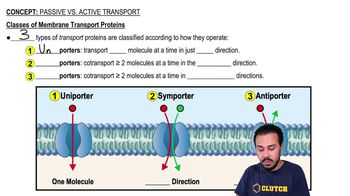
  • Classes of Membrane Transport Proteins
    03:28
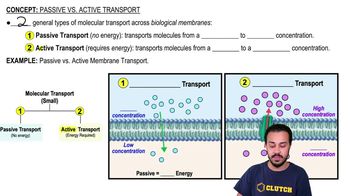
  • Passive vs. Active Transport
    04:18

Osmosis

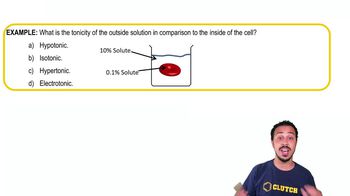
  • Osmosis Example 1
    02:18
  • Osmosis
    05:59
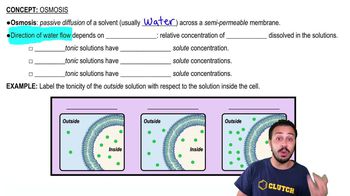
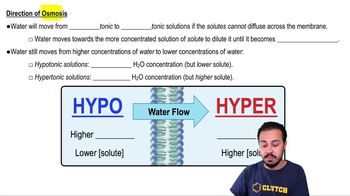
  • Direction of Osmosis
    06:48

Simple and Facilitated Diffusion

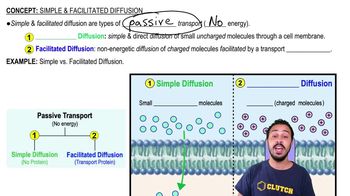
  • Simple and Facilitated Diffusion
    05:10
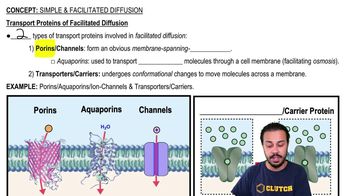
  • Transport Proteins of Facilitated Diffusion
    04:49

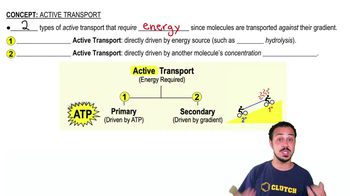
Active Transport

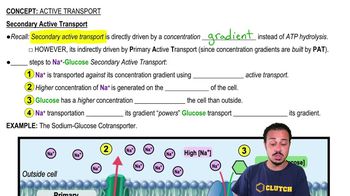
  • Secondary Active Transport
    07:06
  • Active Transport
    02:37
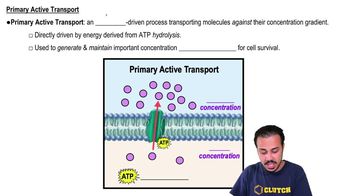
  • Primary Active Transport
    02:53

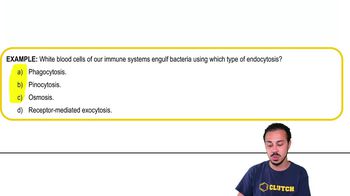
Endocytosis and Exocytosis

  • Endocytosis and Exocytosis Example 1
    01:52
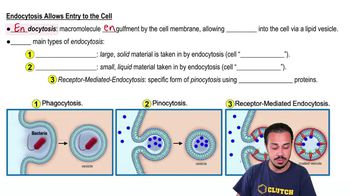
  • Endocytosis Allows Entry to the Cell
    04:18
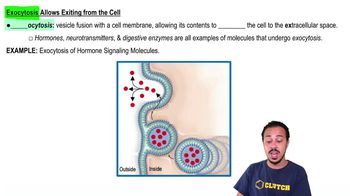
  • Exocytosis Allows Exiting from the Cell
    02:28

Introduction to Energy

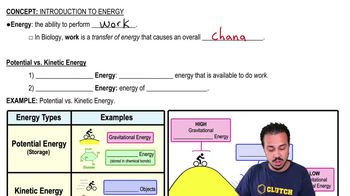
  • Introduction to Energy
    04:58

Laws of Thermodynamics

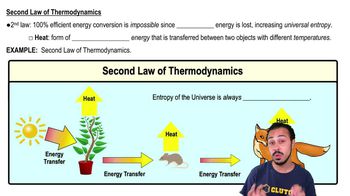
  • Second Law of Thermodynamics
    02:53
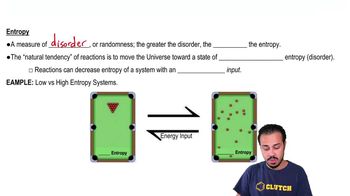
  • Entropy
    03:21
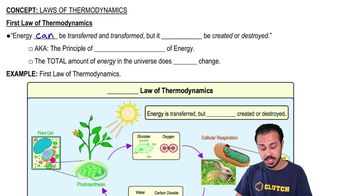
  • First Law of Thermodynamics
    04:43

Chemical Reactions

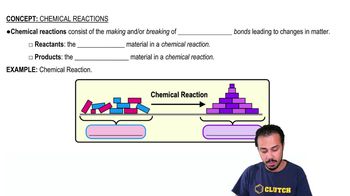
  • Chemical Reactions
    01:56
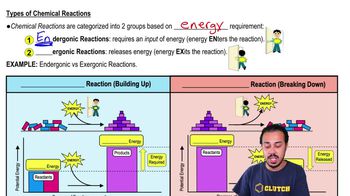
  • Types of Chemical Reactions
    05:48

ATP

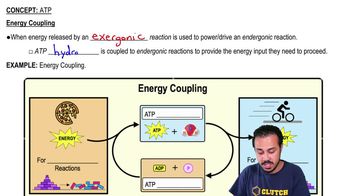
  • Energy Coupling
    04:57
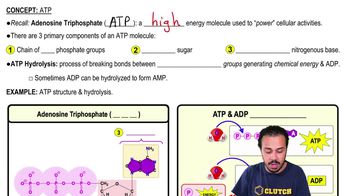
  • ATP
    06:43
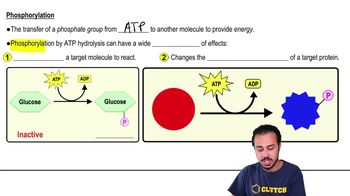
  • Phosphorylation
    03:

Enzymes

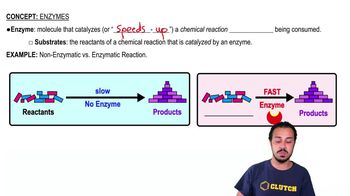
  • Functions of Enzymes
    02:32
  • Enzymes Example 1
    02:25
  • Enzymes
    02:55

Introduction to Metabolism

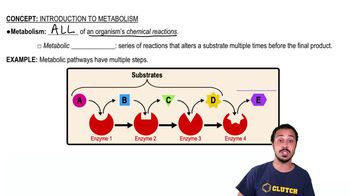
  • Introduction to Metabolism
    02:17
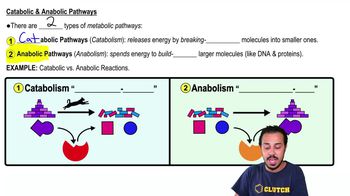
  • Catabolic & Anabolic Pathways
    03:25

Introduction to Aerobic Cellular Respiration

  • Introduction to Cellular Respiration Example 2
    01:53
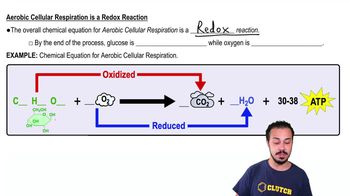
  • Aerobic Cellular Respiration is a Redox Reaction
    04:18
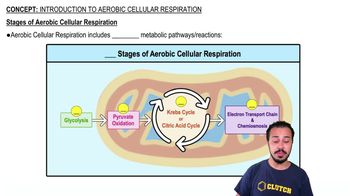
  • Stages of Aerobic Cellular Respiration
    02:31

Glycolysis

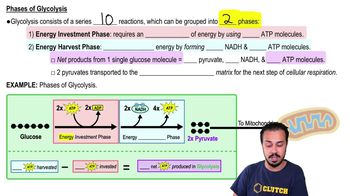
  • Phases of Glycolysis
    06:20
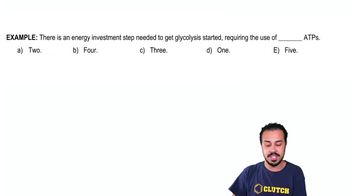
  • Glycolysis Example 1
    01:29
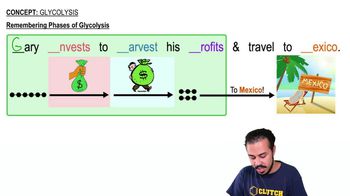
  • Remembering Phases of Glycolysis
    02:49

Pyruvate Oxidation

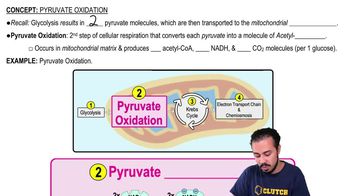
  • Pyruvate Oxidation
    04:37

Krebs Cycle

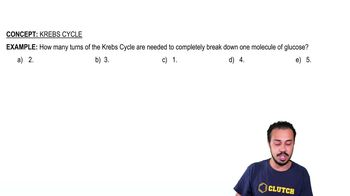
  • Krebs Cycle Example 1
    01:20
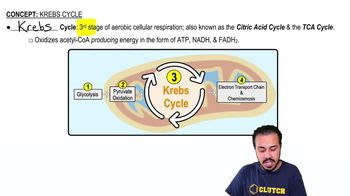
  • Krebs Cycle
    01:36
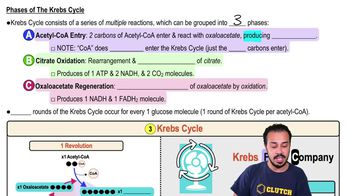
  • Phases of The Krebs Cycle
    09:54

Electron Transport Chain

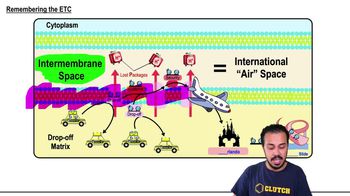
  • Remembering the ETC
    04:43
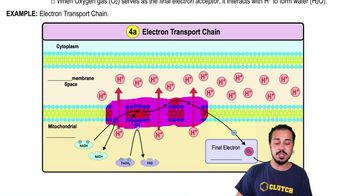
  • Electron Transport Chain
    07:41

Chemiosmosis

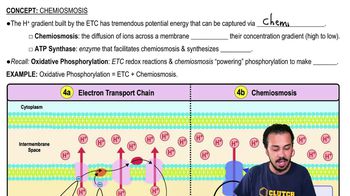
  • Chemiosmosis
    05:01

Fermentation & Anaerobic Respiration

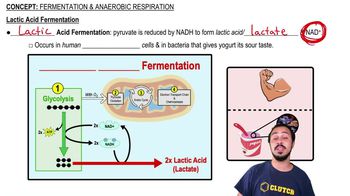
  • Lactic Acid Fermentation
    03:34
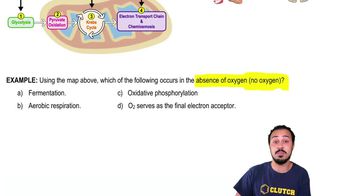
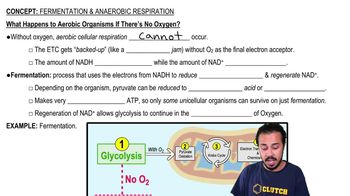
  • What Happens to Aerobic Organisms if There's No Oxygen?
    07:51
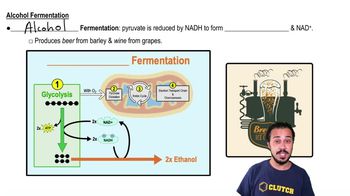
  • Alcohol Fermentation
    02:02

Introduction to Photosynthesis

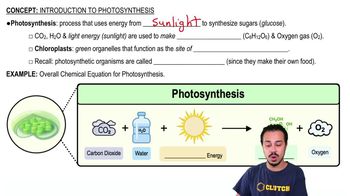
  • Introduction to Photosynthesis
    03:32
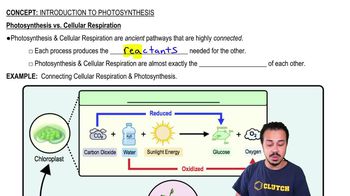
  • Photosynthesis vs. Cellular Respiration
    07:55
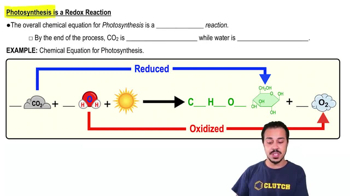
  • Photosynthesis is a Redox Reaction
    03:20

Leaf & Chloroplast Anatomy

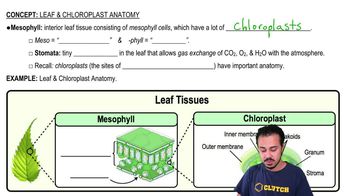
  • Leaf & Chloroplast Anatomy
    08:18

Pigments of Photosynthesis

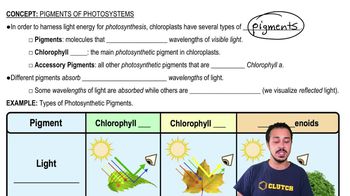
  • Pigments of Photosynthesis
    05:58
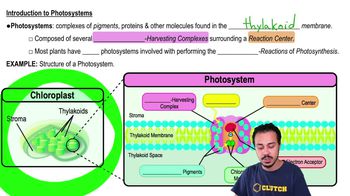
  • Introduction to Photosystems
    04:59
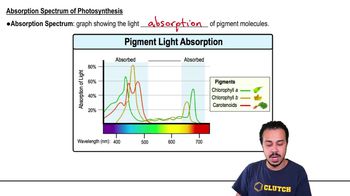
  • Absorption Spectrum of Photosynthesis
    02:52

Stages of Photosynthesis

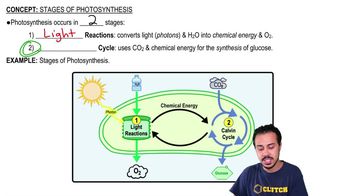
  • Stages of Photosynthesis
    03:16
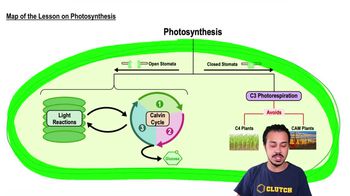
  • Map of the Lesson on Photosynthesis
    02:41

Light Reactions of Photosynthesis

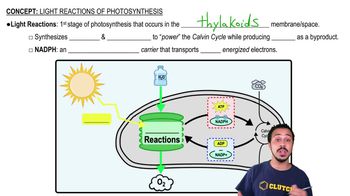
  • Light Reactions of Photosynthesis Example 1
    01:48
  • Light Reactions of Photosynthesis
    04:06
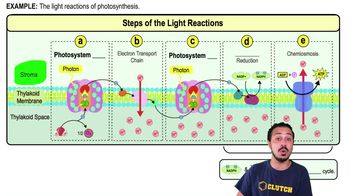
  • Steps of the Light Reactions
    15:15

Calvin Cycle

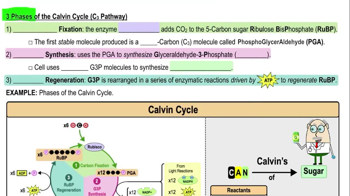
  • 3 Phases of the Calvin Cycle (C3 Pathway)
    10:58
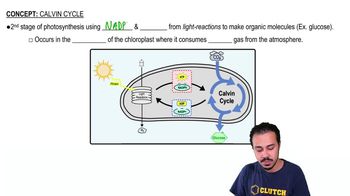
  • Calvin Cycle
    03:42

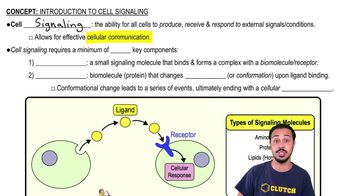
Introduction to Cell Signaling

  • Introduction to Cell Signaling
    05:03
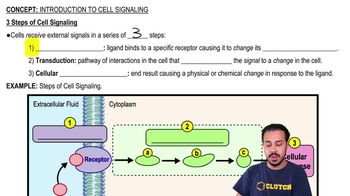
  • 3 Steps of Cell Signaling
    04:37

Introduction to Cell Division

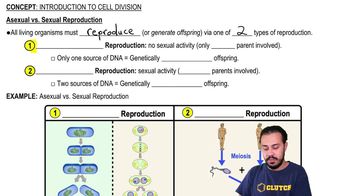
  • Asexual vs. Sexual Reproduction
    04:45
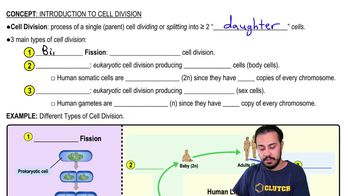
  • Introduction to Cell Division
    09:40
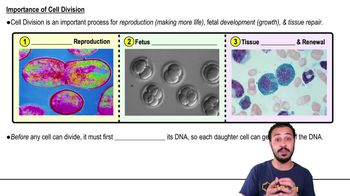
  • Importance of Cell Division
    03:19

Introduction to the Cell Cycle

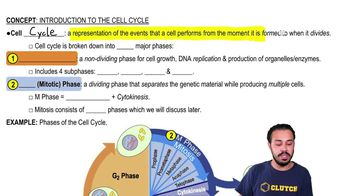
  • Introduction to the Cell Cycle
    04:46

Interphase

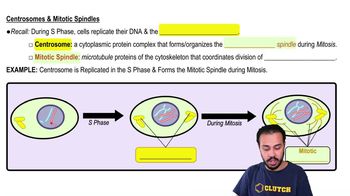
  • Centrosomes & Mitotic Spindles
    04:02
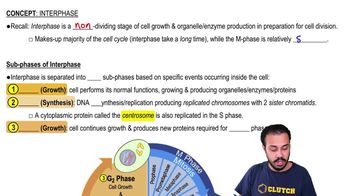
  • Interphase
    08:05

Phases of Mitosis

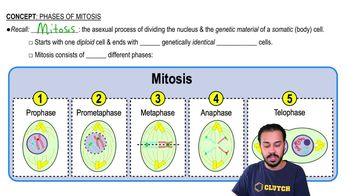
  • Phases of Mitosis
    03:21
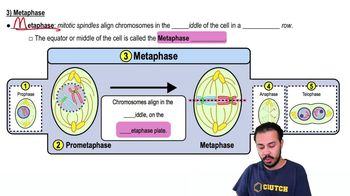
  • Metaphase
    01:58
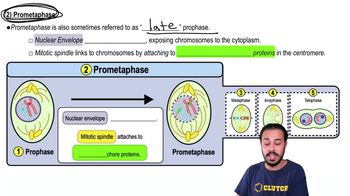
  • Prometaphase
    03:20

Cytokinesis

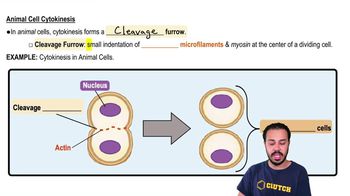
  • Animal Cell Cytokinesis
    02:56
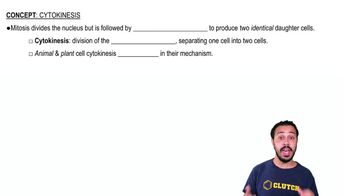
  • Cytokinesis
    01:25
  • Cytokinesis Example 1
    01:59

Cell Cycle Regulation

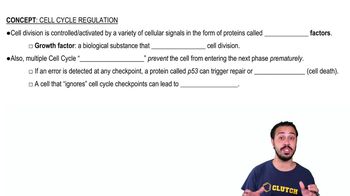
  • Cell Cycle Regulation
    03:31
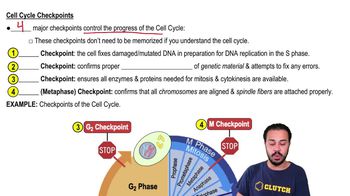
  • Cell Cycle Checkpoints
    06:32

Cancer

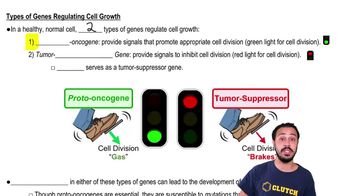
  • Types of Genes Regulating Cell Growth
    04:02
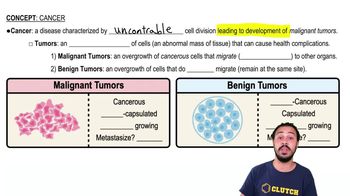
  • Cancer
    03:22

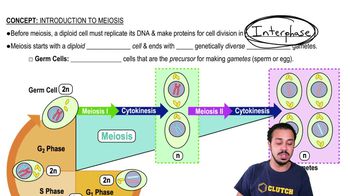
Introduction to Meiosis

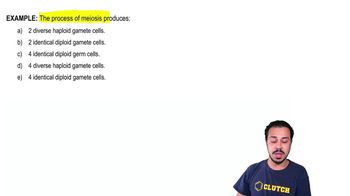
  • Introduction to Meiosis Example 1
    01:43
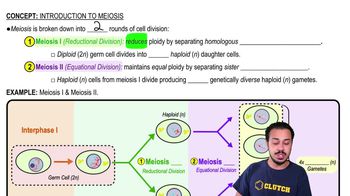
  • Meiosis I & Meiosis II
    04:49
  • Introduction to Meiosis
    04:33

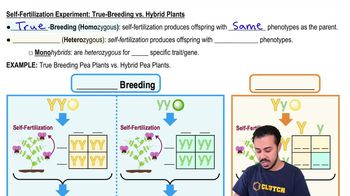
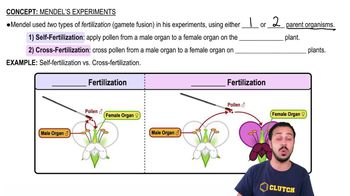
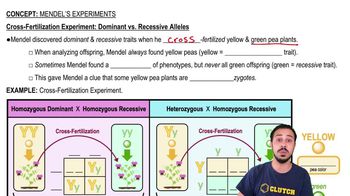
Mendel's Experiments

  • Self-Fertilization Experiment: True-Breeding vs. Hybrid Plants
    05:48
  • Mendel's Experiments
    03:02
  • Cross-Fertilization Experiment: Dominant vs. Recessive Alleles
    05:04

Introduction to DNA Replication

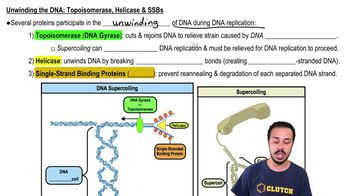
  • Unwinding the DNA: Topoisomerase, Helicase & SSBs
    05:10
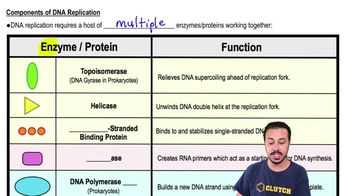
  • Components of DNA Replication
    04:47
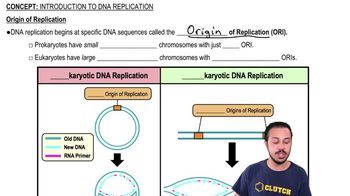
  • Origin of Replication
    03:33

Central Dogma

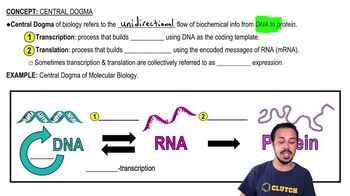
  • Central Dogma
    05:45

Introduction to Transcription

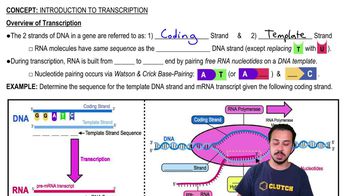
  • Overview of Transcription
    07:44
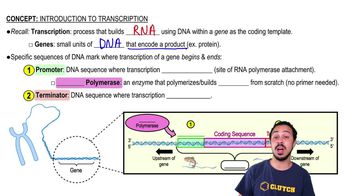
  • Introduction to Transcription
    05:51

Introduction to Types of RNA

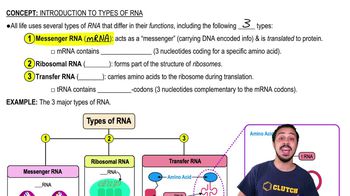
  • Introduction to Types of RNA
    07:20

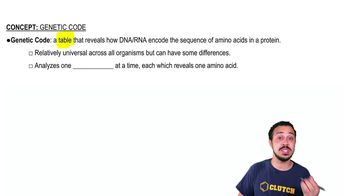
Genetic Code

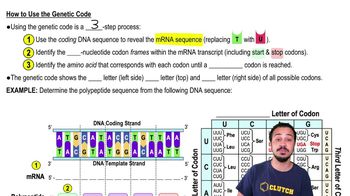
  • How to Use the Genetic Code
    11:39
  • Genetic Code
    01:28

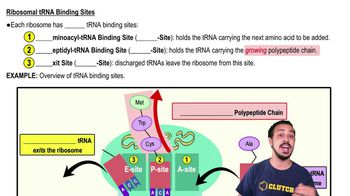
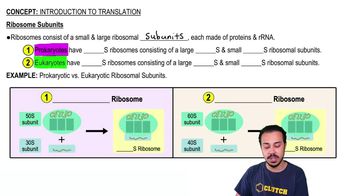
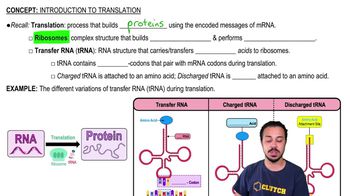
Introduction to Translation

  • Ribosomal tRNA Binding Sites
    06:16
  • Ribosome Subunits
    08:42
  • Introduction to Translation
    06:12

Mutations

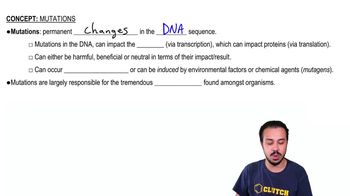
  • Mutations
    02:29
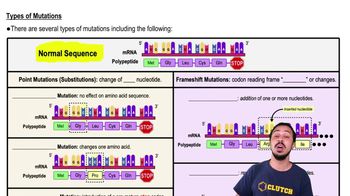
  • Types of Mutations
    08:44

Introduction to Regulation of Gene Expression

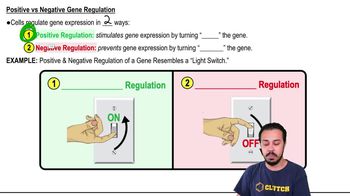
  • Positive vs Negative Gene Regulation
    02:17
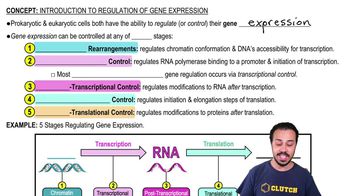
  • Introduction to Regulation of Gene Expression
    06:40

Prokaryotic Gene Regulation via Operons

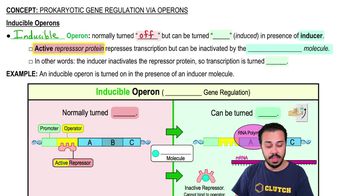
  • Inducible Operons
    04:25
  • Prokaryotic Gene Regulation via Operons
    00:53
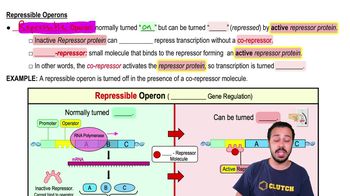
  • Repressible Operons
    03:42

The Lac Operon

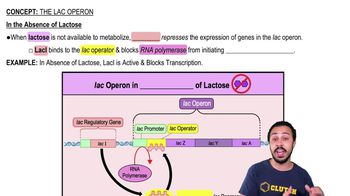
  • In the Absence of Lactose
    04:34
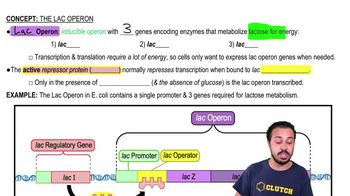
  • The Lac Operon
    07:06
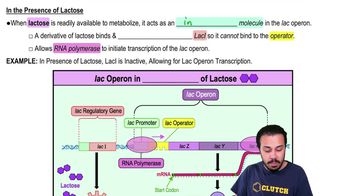
  • In the Presence of Lactose
    03:56

The Trp Operon

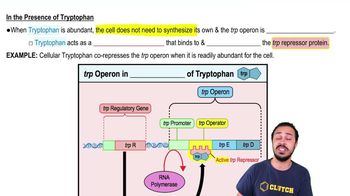
  • In the Presence of Tryptophan
    03:11
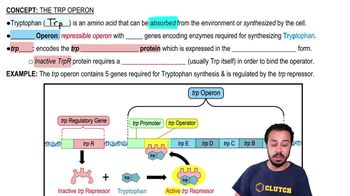
  • The Trp Operon
    05:30
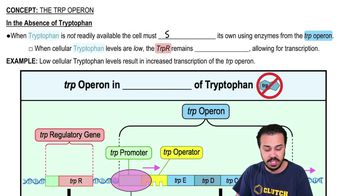
  • In the Absence of Tryptophan
    03:42

Introduction to Eukaryotic Gene Regulation

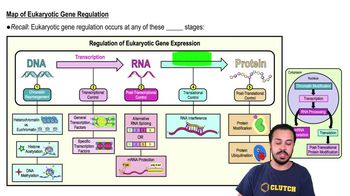
  • Map of Eukaryotic Gene Regulation
    04:22
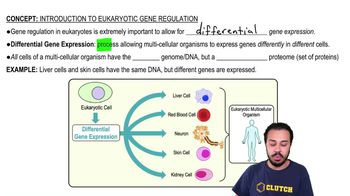
  • Introduction to Eukaryotic Gene Regulation
    03:47

Viruses

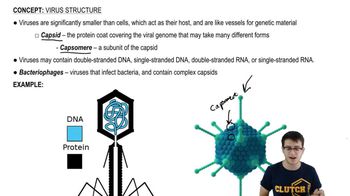
  • Virus Structure
    04:50
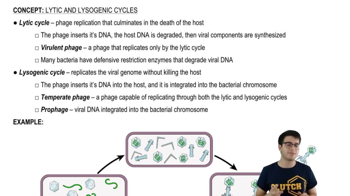
  • Lytic and Lysogenic Cycles
    08:04
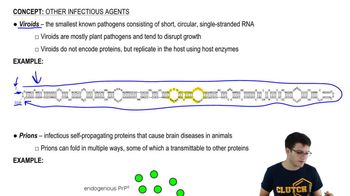
  • Viroids and Prions
    04:22

Introduction to Evolution and Natural Selection

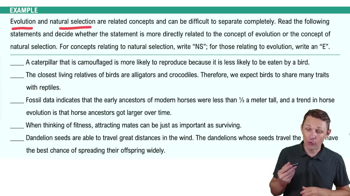
  • Introduction to Evolution and Natual Selection Example 1
    03:22
  • Introduction to Evolution and Natual Selection Example 2
    04:28
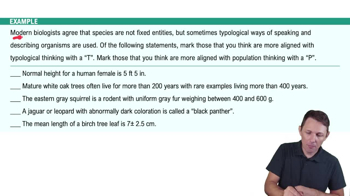
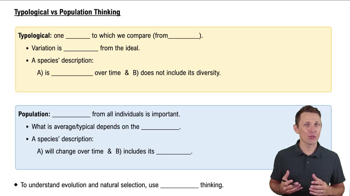
  • Typological vs. Population Thinking
    03:56

Natural Selection and Evolution

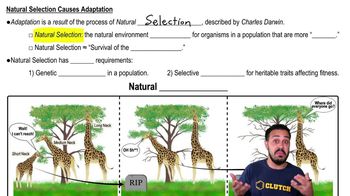
  • Natural Selection Causes Adaptation
    07:48
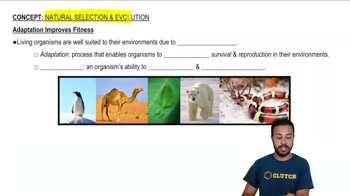
  • Adaptation Improves Fitness
    02:57
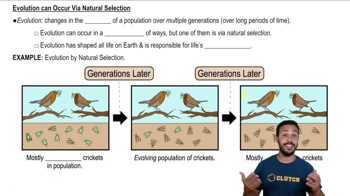
  • Evolution can Occur Via Natural Selection
    04:32