 Back
BIOL 204-01 – Foundations of Biology II: Syllabus and Course Overview
Study Guide - Smart Notes
 Tailored notes based on your materials, expanded with key definitions, examples, and context.
Course Overview
Course Description
This course provides a comprehensive study of the phylogeny, nomenclature, structure, and function of plants, animals, fungi, bacteria, and protists, with a strong emphasis on ecological principles. It serves as a prerequisite for all upper-level biology courses and includes both lecture and laboratory components. Students will explore the diversity, structure, function, and life cycles of major groups of organisms and develop an understanding of ecological relationships at individual, population, community, and ecosystem scales.
Course Title: Foundations of Biology II (BIOL 204-01)
Instructor: Dr. Anthony Overton
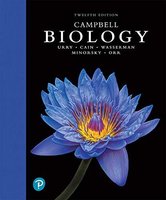
Required Text: Campbell Biology, 12th Edition (Urry, Cain, Wasserman, Minorsky, Orr)
Location: 230 Propst Hall
Format: In-person instruction with lectures, discussions, and activities
Student Learning Objectives (SLOs)
SLO 1: Describe and define fundamental concepts of plant, fungal, protist, and animal anatomy, physiology, classification, and life cycles, as well as ecology at multiple scales.
SLO 2: Use compound light and dissecting microscopes to examine slides and whole organisms.
SLO 3: Summarize resources related to plant and animal biology and ecology using information literacy skills.
SLO 4: Demonstrate oral and written communication skills by assessing primary literature.
SLO 5: Apply critical thinking and biological concepts to evaluate ideas and publications.
SLO 6: Apply the scientific method in laboratory exercises.
Course Structure and Grading
Exams: Three major exams and a final, covering lectures, readings, and labs. Formats include multiple choice, short answer, matching, and essays.
Assignments: Various homework assignments (100-150 points total).
Grading Scale:
Grade | Percentage |
|---|---|
A | 93.5 – 100% |
A- | 90.0 – 93.4% |
B+ | 87.5 – 89.9% |
B | 83.5 – 87.4% |
B- | 80.0 – 83.4% |
C+ | 77.5 – 79.9% |
C | 73.5 – 77.4% |
C- | 70.0 – 73.4% |
D+ | 67.5 – 69.9% |
D | 66.0 – 67.4% |
D- | 60.0 – 65.9% |
F | 59.9% or less |
Major Topics and Weekly Schedule
Evolution: Darwinian evolution, evolution of populations, speciation, taxonomy, and phylogenetics
Prokaryotes and Protists: Bacteria, Archaea, and Protista diversity and biology
Plants: Plant taxonomy, anatomy, and physiology
Fungi: Structure, function, and classification of fungi
Animals: Invertebrates, vertebrates, and animal physiology
Ecology: Introduction to ecology, population, community, and ecosystem ecology, and conservation biology
Example Weekly Topics:
Week | Topics | Chapters |
|---|---|---|
1 | Darwinian Evolution, Evolution of Populations | 22, 23 |
2 | Speciation, Taxonomy, Phylogenetics | 24, 26 |
3 | Bacteria and Archaea | 27 |
4 | Exam 1, Protista | 28 |
5 | Plant Taxonomy | 29, 30 |
6-7 | Plant Anatomy and Physiology, Exam 2 | 35, 36, 37, 38, 39 |
8 | Fungi, Introduction to Animals | 31, 32 |
9-10 | Invertebrates, Vertebrates, Animal Physiology | 33, 34, 40 |
11 | Animal Physiology, Exam 3 | 41, 42 |
12-13 | Ecology: Population, Community, Ecosystem | 52, 53, 54, 55 |
15 | Conservation Biology | 56 |
Course Policies and Resources
Attendance: Regular attendance is essential for success. Excused absences must be communicated promptly.
Academic Integrity: Students are expected to uphold high standards of academic honesty and cite all sources appropriately.
Technology Requirements: Students should have access to a compatible computer, webcam, microphone, and stable internet connection.
Support Services: Free tutoring, writing center, counseling, and library resources are available to all students.
Accessibility: Students with disabilities should coordinate accommodations through the Office of Accessibility and Accommodations.
Title IX: Resources and reporting options are available for students experiencing sexual harassment or discrimination.
Tips for Success
Read assigned material before each class and review notes regularly.
Participate actively in class discussions and activities.
Utilize available resources such as tutoring and the writing center.
Contact the instructor early if you have questions or concerns about your performance.
Maintain academic integrity in all assignments and assessments.
Additional info: This syllabus provides a foundational overview of the course structure, expectations, and resources for students enrolled in General Biology II. The topics align closely with standard college-level General Biology curricula, covering evolution, diversity of life, plant and animal biology, and ecology.
