 Back
Biological Macromolecules and Lipids: Structure, Function, and Diversity
Study Guide - Smart Notes
 Tailored notes based on your materials, expanded with key definitions, examples, and context.
Biological Macromolecules and Lipids
Introduction to Macromolecules
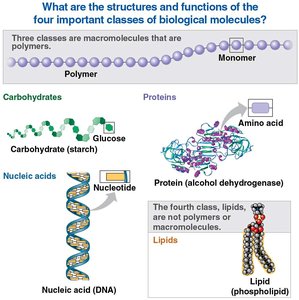
Biological macromolecules are large, complex molecules essential for life, including carbohydrates, proteins, nucleic acids, and lipids. Most macromolecules are polymers, built from repeating units called monomers, except for lipids, which are not true polymers.
Polymer: A long molecule consisting of many similar or identical building blocks (monomers).
Monomer: The repeating unit that serves as a building block for polymers.
Examples: Carbohydrates, proteins, and nucleic acids are polymers; lipids are not.
Synthesis and Breakdown of Polymers
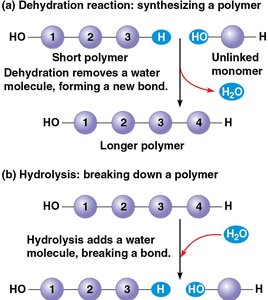
The formation and degradation of polymers involve specific chemical reactions.
Dehydration Reaction: Joins two monomers by removing a water molecule, forming a new bond.
Hydrolysis: Breaks a polymer into monomers by adding a water molecule, breaking a bond.
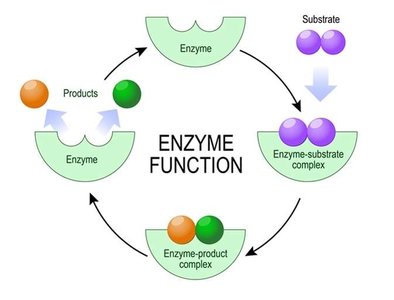
Enzymes: Specialized proteins that speed up these reactions.
Carbohydrates
Monosaccharides: Structure and Classification
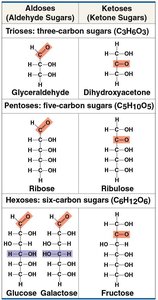
Carbohydrates include sugars and their polymers. The simplest carbohydrates are monosaccharides, which serve as fuel and building material.
Monosaccharide: Simple sugar with a molecular formula usually a multiple of CH2O.
Glucose (C6H12O6): Most common monosaccharide.
Classification: Based on the location of the carbonyl group (aldose or ketose) and the number of carbons.
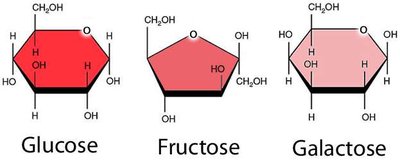
Isomers: Molecules with the same formula but different structures (e.g., glucose, fructose, galactose).
Ring Formation of Sugars
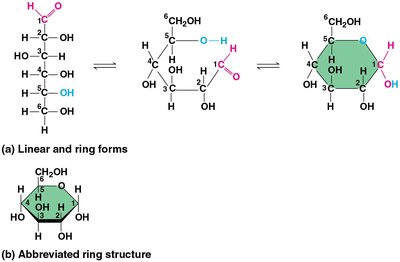
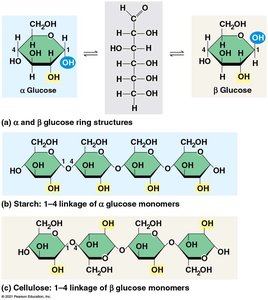
In aqueous solutions, many sugars form rings, which are the predominant forms in cells.
Linear and Ring Forms: Glucose can exist in both forms, but ring form is more common in biological systems.
Disaccharides and Glycosidic Linkages
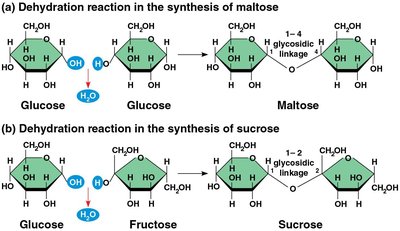
Disaccharides are formed by joining two monosaccharides via a dehydration reaction, creating a glycosidic linkage.
Examples: Maltose (glucose + glucose), Sucrose (glucose + fructose).
Polysaccharides: Storage and Structural Roles
Polysaccharides are polymers of sugars with storage or structural functions.
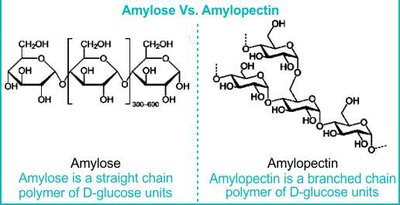
Starch: Storage polysaccharide in plants, composed of glucose monomers.
Amylose: Straight chain polymer of glucose.
Amylopectin: Branched chain polymer of glucose.
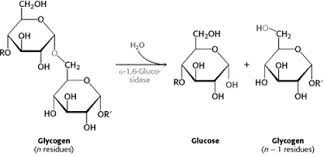
Glycogen: Storage polysaccharide in animals, highly branched, stored in liver and muscle.
Structural Polysaccharides
Cellulose: Major component of plant cell walls; polymer of glucose with β glycosidic linkages.
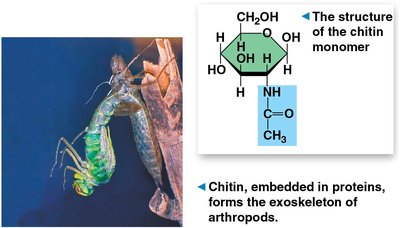
Chitin: Structural polysaccharide in arthropod exoskeletons and fungal cell walls.
Lipids
Introduction to Lipids
Lipids are a diverse group of hydrophobic molecules, not true polymers. They consist mostly of hydrocarbon regions and include fats, phospholipids, and steroids.
Hydrophobic: Lipids do not mix well with water.
Fats: Structure and Function
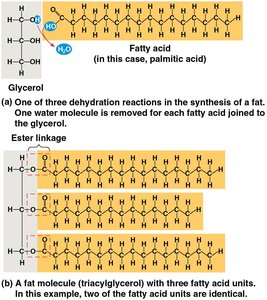
Fats are constructed from glycerol and fatty acids.
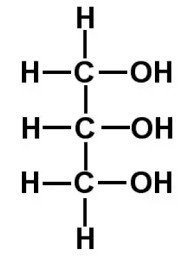
Glycerol: Three-carbon alcohol with hydroxyl groups.
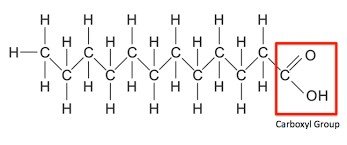
Fatty Acid: Carboxyl group attached to a long carbon skeleton.
Triacylglycerol (Triglyceride): Three fatty acids joined to glycerol by ester linkages.
Saturated vs. Unsaturated Fats
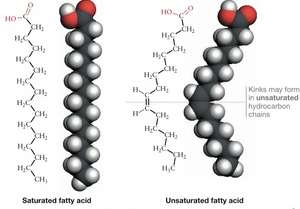
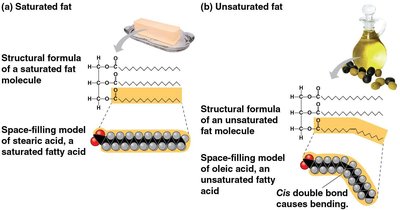
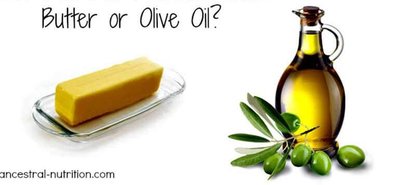
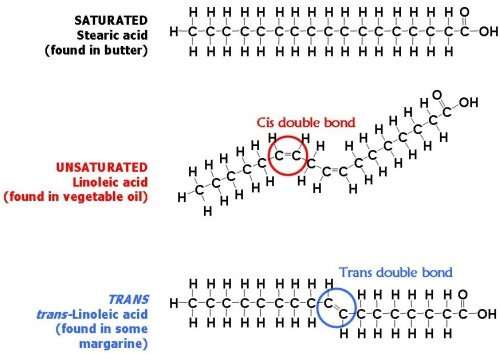
Saturated Fatty Acids: Maximum number of hydrogen atoms, no double bonds, solid at room temperature.
Unsaturated Fatty Acids: One or more double bonds, liquid at room temperature, found in plants and fish.
Health Implications of Fats
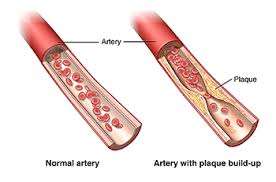
Cardiovascular Disease: Diets rich in saturated and trans fats may contribute to plaque deposits in arteries.
Hydrogenation: Converts unsaturated fats to saturated fats, creating trans fats.
Functions of Fats
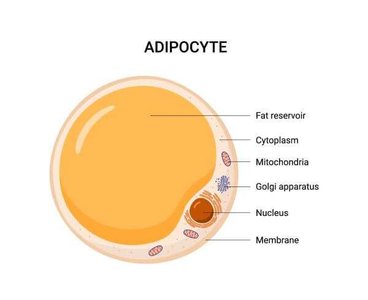
Energy Storage: Fats store energy efficiently in adipose cells.
Protection and Insulation: Adipose tissue cushions organs and insulates the body.
Phospholipids
Phospholipids are major components of cell membranes, consisting of two fatty acids and a phosphate group attached to glycerol.
Hydrophobic Tails: Fatty acids avoid water.
Hydrophilic Head: Phosphate group interacts with water.
Bilayer Formation: Phospholipids self-assemble into bilayers in water, forming cell boundaries.
Steroids
Steroids are lipids with a carbon skeleton of four fused rings.
Cholesterol: Component of animal cell membranes and precursor for other steroids.
Hormones: Some hormones are steroids derived from cholesterol.
Proteins
Structure and Function of Proteins
Proteins are polymers of amino acids and account for more than 50% of the dry mass of most cells. They perform a wide range of functions, including catalysis, defense, storage, transport, communication, movement, and structural support.
Enzymes: Proteins that act as catalysts to speed up chemical reactions.
Polypeptides: Unbranched polymers built from amino acids.
Peptide Bond: Covalent bond linking amino acids.
Amino Acids
Amino Acid: Organic molecule with amino and carboxyl groups; properties differ due to side chains (R groups).
Polypeptide: Polymer of amino acids with a unique sequence and two ends: N-terminus (amino) and C-terminus (carboxyl).
Protein Structure
Protein function depends on its three-dimensional structure, which is determined by the sequence of amino acids.
Primary Structure: Unique sequence of amino acids.
Secondary Structure: Coils and folds (α helix, β pleated sheet) formed by hydrogen bonds.
Tertiary Structure: Overall shape due to interactions among R groups (hydrogen bonds, ionic bonds, hydrophobic interactions, van der Waals forces, disulfide bridges).
Quaternary Structure: Association of multiple polypeptide chains (e.g., collagen, hemoglobin).
Protein Denaturation
Denaturation: Loss of native structure due to changes in pH, salt concentration, temperature, or other factors; denatured proteins are biologically inactive.
Nucleic Acids
Structure and Function of Nucleic Acids
Nucleic acids store, transmit, and help express hereditary information.
DNA (Deoxyribonucleic Acid): Provides directions for its own replication and directs synthesis of mRNA.
RNA (Ribonucleic Acid): Messenger and functional roles in protein synthesis.
Gene Expression: DNA → RNA → Protein.
Nucleotide Structure
Nucleotide: Monomer of nucleic acids, consisting of a nitrogenous base, pentose sugar, and phosphate group.
Nucleoside: Nitrogenous base + sugar (no phosphate).
Nitrogenous Bases: Pyrimidines (cytosine, thymine, uracil) and purines (adenine, guanine).
Nucleotide Polymers and DNA Structure
Phosphodiester Linkage: Covalent bond joining nucleotides, forming a sugar-phosphate backbone.
Double Helix: DNA consists of two antiparallel polynucleotide strands.
Complementary Base Pairing: A-T and G-C in DNA; A-U in RNA.
Summary Table: Biological Macromolecules
Macromolecule | Monomer | Polymer | Main Function |
|---|---|---|---|
Carbohydrate | Monosaccharide | Polysaccharide | Energy, structure |
Protein | Amino acid | Polypeptide | Catalysis, structure, transport |
Nucleic Acid | Nucleotide | Polynucleotide | Information storage |
Lipid | Fatty acid (not a true monomer) | None (not a true polymer) | Energy storage, membranes, signaling |
Additional info: This guide expands on lecture slides and textbook images to provide a comprehensive overview of macromolecules and lipids, suitable for exam preparation in General Biology.
